에서 산동 젠방 화학 섬유 유한 공사., we explain PP monofilament in a very simple way: it is a single filament made from polypropylene. “PP” stands for polypropylene, which is a polyolefin polymer that can be melt-spun into fibers. “Monofilament” means one filament, not a bundle of many fine filaments. In general fiber processing, monofilaments are produced through a single-hole spinneret and are usually larger in diameter than normal textile filaments. In textile language, monofilament also means a spun yarn made of one filament or strand.
That simple definition matters because many buyers see the term on data sheets but do not know how it differs from multifilament, fibrillated tape, 또는 매크로 합성 섬유. In the market, PP monofilament can be used in ropes, nets, filtration products, and concrete reinforcement. The base material is the same polypropylene family, but the final shape and size decide how the product behaves in use.
What PP Monofilament Means In Plain Language
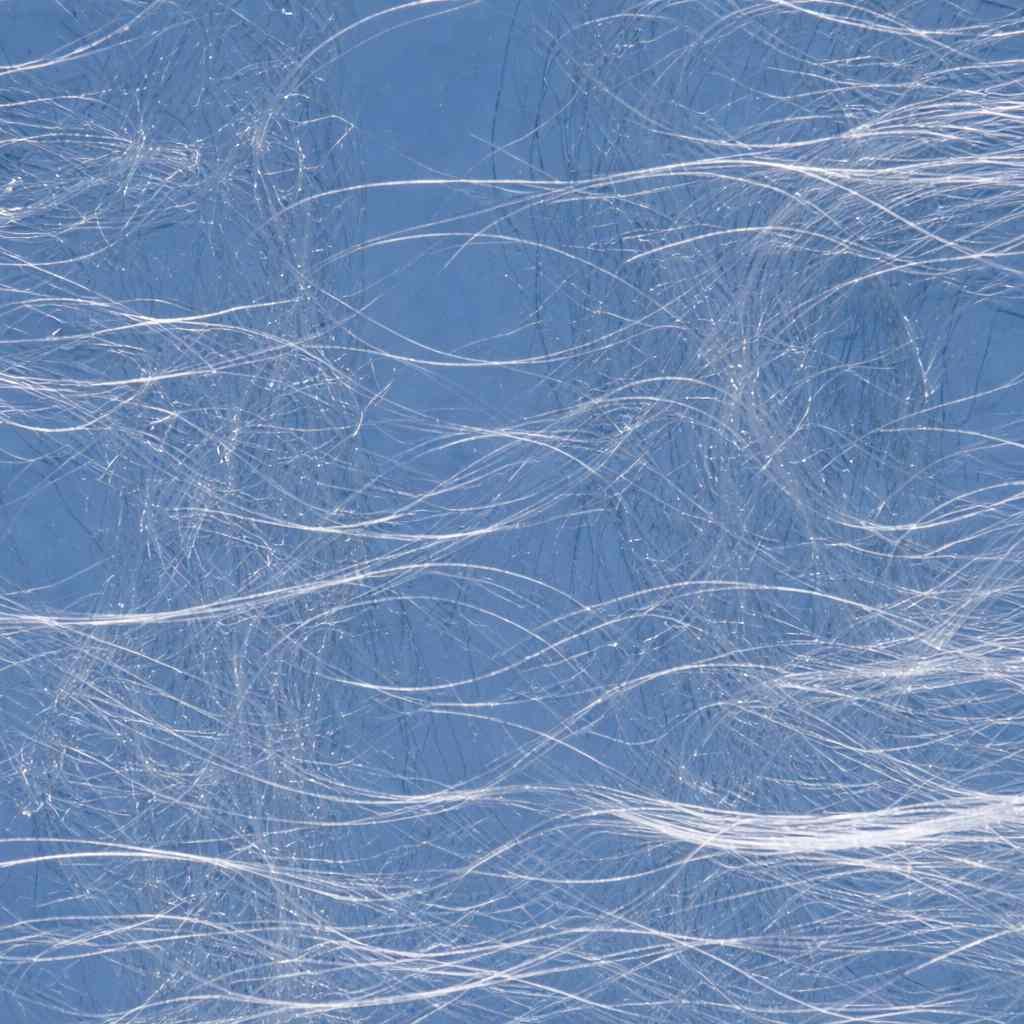
When we say PP monofilament, we mean one continuous strand of polypropylene that has been formed by melt processing and then oriented for strength. In fiber manufacture, polypropylene is a thermoplastic that can be melt-spun because it softens and flows before it degrades. General melt-spinning guidance explains that this is one of the key reasons polyolefins such as polypropylene are widely used in fiber production. Britannica also notes that polypropylene can be melt-spun into fibers used in many practical products.
The word “monofilament” is important because it tells you the structure of the fiber. It is one strand. It is not a yarn made from many fine filaments twisted together. It is also not a film that has been slit and opened into a mesh-like fibrillated form. In ASTM language for concrete fibers, a strand can mean a single fiber, filament, or monofilament, while “yarn” in that standard is used for narrow slit extruded film. That distinction helps buyers read product sheets more accurately.
How PP Monofilament Is Different From Multifilament And Fibrillated Fiber
At Shandong Jianbang Chemical Fiber Co., Ltd., we find that this is where most confusion starts. A PP monofilament is one solid filament. A multifilament product is made from many fine filaments grouped together. A 섬유화 PP fiber usually starts from film or tape and then opens into a net-like structure. These products may all be polypropylene, but they do not look the same and they do not behave the same in processing or in concrete.
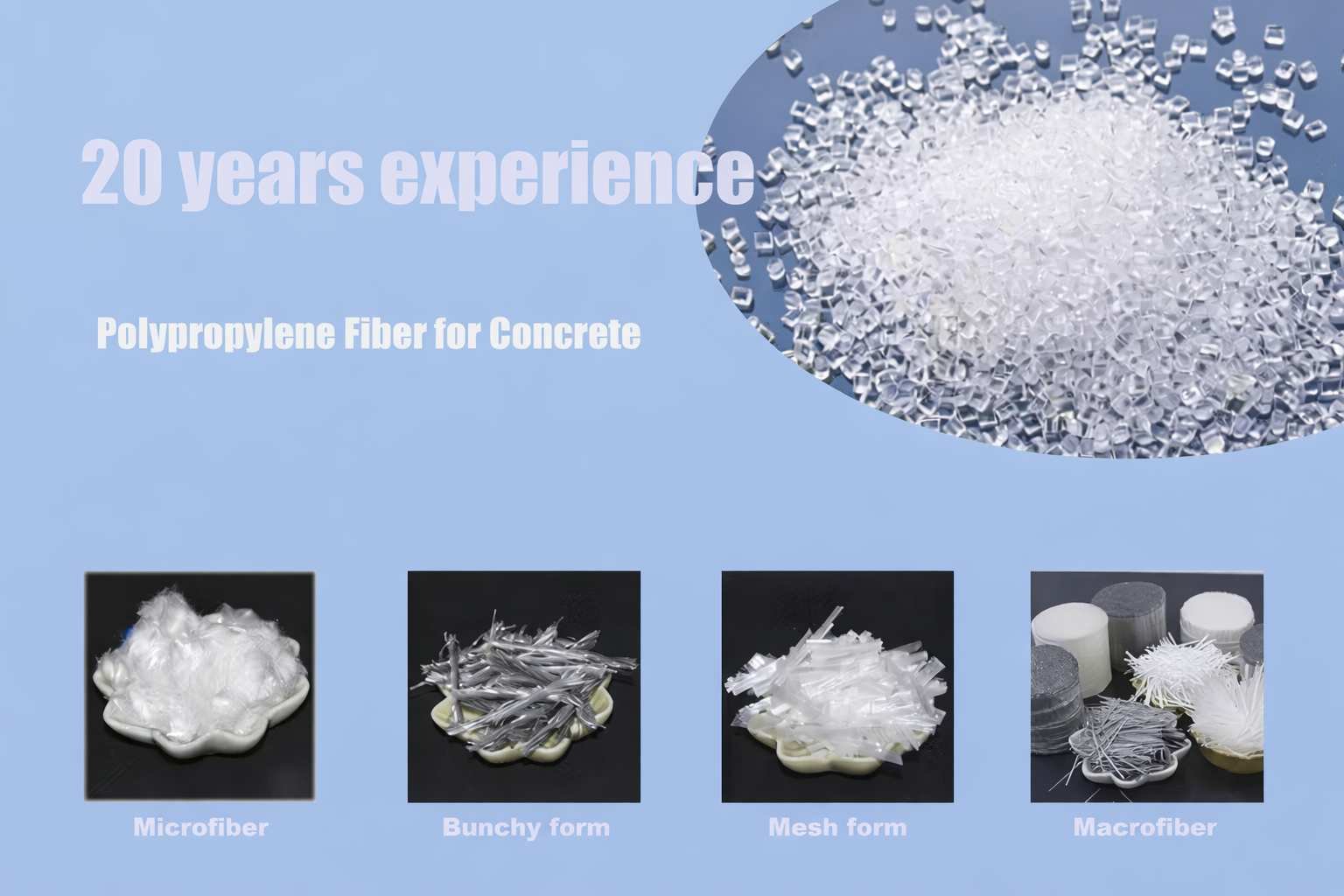
In concrete standards, this difference is very clear. EN 14889-2 classifies polymer fibers by physical form. It defines Class Ia micro fibres as mono-filamented fibers below 0.30 mm in diameter, Class Ib micro fibres as fibrillated fibers below 0.30 mm, and 클래스 II as macro fibres above 0.30 mm. The same standard says polymer fibers may be straight or deformed, and it requires the manufacturer to declare length, diameter, and aspect ratio.
So, in practical terms, a chopped PP monofilament concrete fiber is usually a short, single-strand polypropylene fiber. A fibrillated product is usually film-based and opens or spreads differently in the mix. This is not just a naming issue. It affects dispersion, crack control, dosage, and the final performance target.
How We Make PP Monofilament
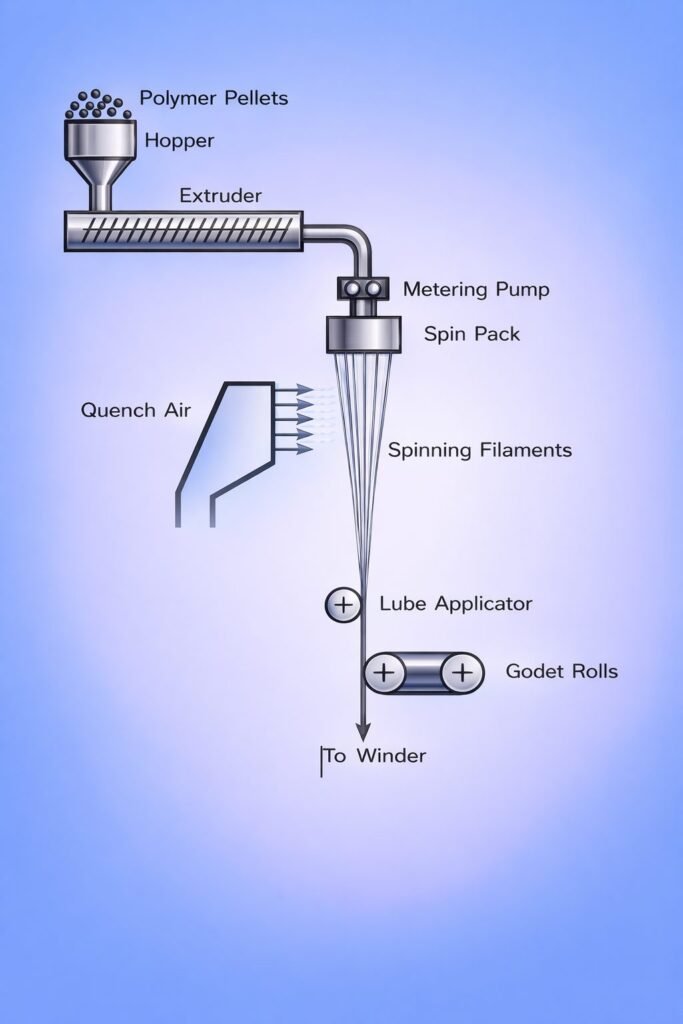
At Shandong Jianbang Chemical Fiber Co., Ltd., we describe the making of PP monofilament as a step-by-step melt-spinning process. First, polypropylene resin is fed into an extrusion system. Then the resin is melted, filtered, and pushed through a spinneret. After that, the fresh strand is cooled, drawn, and wound or cut into the final form. General fiber-processing sources describe this sequence as standard practice for melt-spun filaments. They also note that a monofilament can be made through a single-hole spinneret.
The drawing step matters a lot. Freshly extruded polymer does not yet have the strength needed for end use. After spinning, the filament is stretched so the polymer chains line up more in the fiber direction. That is how the strand gains better strength and stability. Melt-spinning reviews point out that fiber quality depends on polymer purity, stable melt flow, sufficient melt strength, and good control during extrusion and drawing.
For concrete-grade PP monofilament, surface finish also matters. EN 14889-2 says any surface treatment or coating must be declared and controlled. The standard also notes that spin finish can help the fiber disperse in concrete and reduce balling, although some coatings can also affect air content. That is why a reliable PP monofilament supplier should control not only the polymer and diameter, but also the surface treatment and the chopping quality.
What Properties PP Monofilament Usually Has
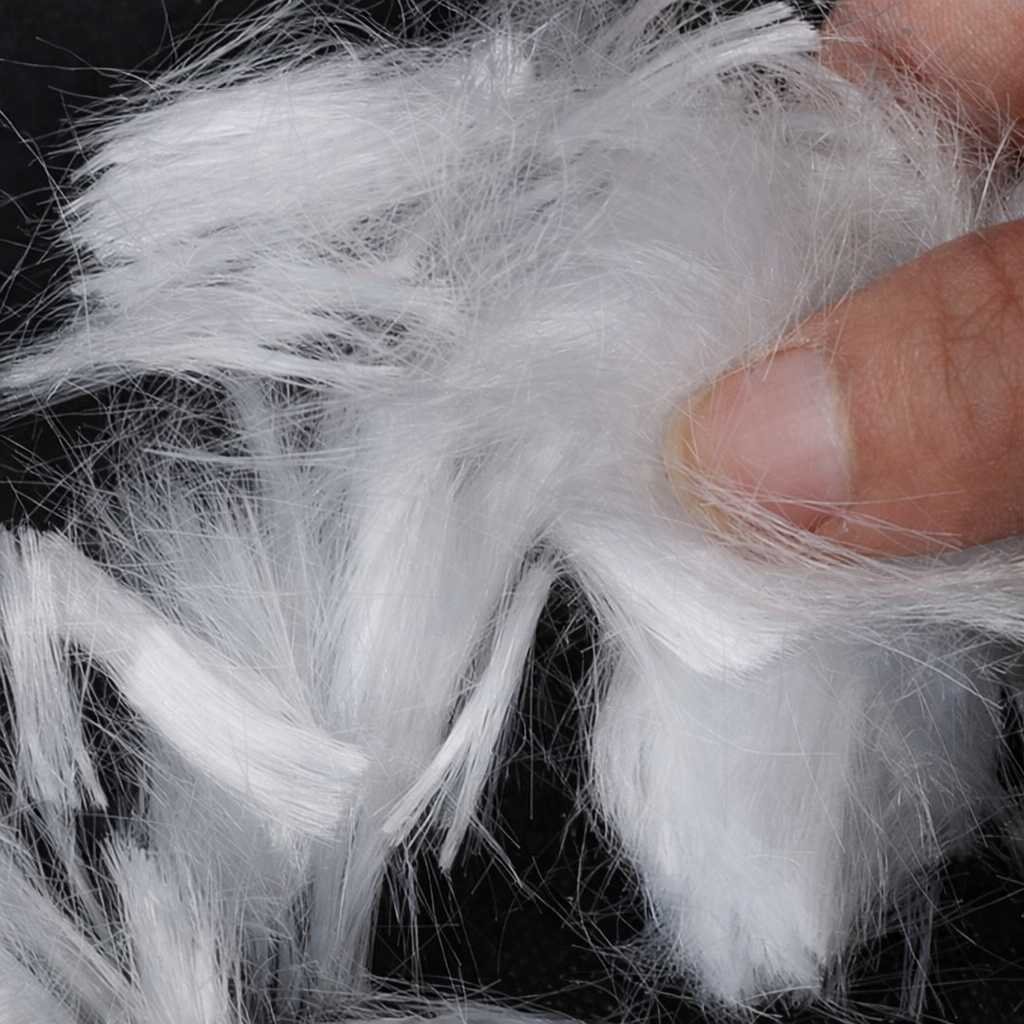
PP monofilament is popular because the base polymer is practical for fiber production. Polypropylene is a polyolefin with a useful melting range for melt spinning, and it is widely used in industrial fibers. In fiber processing, polyolefins are also treated as non-hygroscopic materials, which is one reason they are easier to process than some polymers that are more sensitive to moisture during melting.
In use, PP monofilament is valued for being light, chemical-resistant, and suitable for many technical products. Britannica points to uses such as clothing, upholstery, carpets, and nonwovens for polypropylene fibers in general, while monofilament-specific sources point to applications such as fishing line, lawn furniture, filtration fabrics, hook-and-loop products, sewing threads, and nets. That wide range of uses shows why PP monofilament is not a niche product. It is a broad industrial fiber form.
Still, PP monofilament is not one fixed product. The diameter, length, shape, surface finish, and whether it is supplied as continuous filament or chopped fiber all change the final performance. That is why serious buyers do not stop at the words “PP monofilament.” They also check dimensions, linear density, tensile data, and the target application. ASTM D7508, for example, requires concrete chopped strands to be manufactured and tested to specific targets and tolerances in the manufacturer’s product specification.
What PP Monofilament Means In Concrete
In the concrete field, PP monofilament usually refers to chopped single-strand polypropylene fibers used to improve fresh concrete behavior or to contribute to crack control and post-crack performance, depending on size and dosage. The concrete industry makes a very important distinction here: micro mono-filament fibers are not the same as macro mono-filament fibers. EN 14889-2 separates them at 0.30 mm diameter. Below that size, monofilament fibers are Class Ia micro fibres. Above that size, they move into Class II macro fibres.
The Concrete Society explains that short chopped polypropylene micro-fibres are mainly used to modify the fresh concrete. They help stabilize solid particles, reduce bleed channels, lower plastic settlement, and reduce plastic shrinkage cracking. The same source says they have limited effect on hardened concrete ductility, but they may improve abrasion resistance at the surface, help with impact stress distribution, improve frost resistance in some cases, and reduce fire spalling. It also notes they are used in sprayed concrete to improve initial behavior and reduce rebound and sloughing.
That is why many buyers first meet PP monofilament as a microfiber for early crack control. In many slab and mortar applications, the goal is not to replace steel. The goal is to reduce early cracking and improve the fresh mix behavior. The Concrete Society says these short PP fibres are often added at around 0.9 kg/m³ for that kind of use.
PP Monofilament Can Also Be A Macro Fiber
The story changes when the monofilament becomes much larger and coarser. In that case, PP monofilament can function as a 매크로 합성 섬유. The Fiber Reinforced Concrete Association says that large, coarse monofilament synthetic macrofibers are the only synthetic fiber types that can provide residual strength capacity equivalent to steel fibers, depending on dosage. The Concrete Society also says macro synthetic fibres can significantly increase the post-cracking capacity of concrete and are now used in ground-supported slabs, sprayed concrete, small precast units, and composite floor slabs.
This is why “PP monofilament” can mean two very different product families in construction. One is a fine microfiber for plastic shrinkage and fresh-mix control. The other is a coarse macro monofilament for post-crack load transfer and structural or semi-structural roles. The material is still polypropylene, but the size, stiffness, and dosage move the product into a different job.
At Shandong Jianbang Chemical Fiber Co., Ltd., we think this is one of the most important buying lessons. A customer should never ask only, “Do you sell PP monofilament?” The better question is, “Do I need PP micro monofilament or PP macro monofilament, and what performance target am I trying to reach?” That is the question that leads to the right product choice for Ecocretefiber™ applications.
Where Else PP Monofilament Is Used
Outside concrete, PP monofilament is common in technical textile and industrial products. Britannica points to monofilament uses such as fishing line and lawn furniture. Swicofil lists monofilament applications such as filtering fabrics, hook-and-loop fasteners, narrow fabrics, selvedge yarns, sewing threads, fishing lines, and nets. These are all products that benefit from the simple, single-strand structure of monofilament.
This broad use base is helpful for industrial buyers because it shows that PP monofilament is not limited to one sector. It is a basic engineered fiber form used across many industries. For a manufacturer like Shandong Jianbang Chemical Fiber Co., Ltd., that also means the production know-how behind PP monofilament has to cover polymer control, spinning stability, diameter control, and downstream conversion quality.
How To Choose The Right PP Monofilament
The right PP monofilament depends on the job. In concrete, the first thing to check is whether the product is a micro mono-filament or a macro fibre under EN 14889-2. Then the buyer should check the declared length, diameter, aspect ratio, shape, and any coating or finish. The standard requires these items to be declared, and that is a good reminder that PP monofilament should be chosen by performance data, not just by name.
For micro PP monofilament, the main questions are about dispersion, crack control in the plastic stage, and mix handling. For macro PP monofilament, the main questions are about residual strength, crack bridging, slab or shotcrete performance, and the approved dosage range. FRCA notes that macrofiber dosage is selected based on performance requirements such as residual strength, flexural behavior, or energy absorption, not simply by habit.
At Shandong Jianbang Chemical Fiber Co., Ltd., we always see the same pattern in the market. The best results come when the buyer links the fiber type to the real project goal. For fresh concrete crack control, a short PP mono-filament microfiber may be the right answer. For post-crack load transfer in slabs or sprayed concrete, a macro mono-filament product may be the right answer. This is why Ecocretefiber™ product selection starts with use case first, not only with material name.
결론
At Shandong Jianbang Chemical Fiber Co., Ltd., we define PP monofilament as a single polypropylene filament that can be supplied as a continuous strand or chopped into discrete fibers for industrial and concrete use. It is different from multifilament yarns and different from fibrillated tape fibers. In concrete standards, mono-filament PP fibers are clearly separated from fibrillated fibers, and they are also separated into micro and macro classes by diameter. That classification matters because the product role changes from early crack control to post-crack reinforcement as the fiber form changes.
So, when someone asks, “What is PP monofilament?” the best answer is simple. It is a one-strand polypropylene fiber form. It is made by melt spinning. It is used in many technical products. In concrete, it can be either a microfiber for plastic shrinkage control or a coarse macro fiber for tougher, more crack-resistant concrete. That is why PP monofilament remains an important product family for us at Shandong Jianbang Chemical Fiber Co., Ltd., and why Ecocretefiber™ continues to treat it as a key material in modern concrete reinforcement.