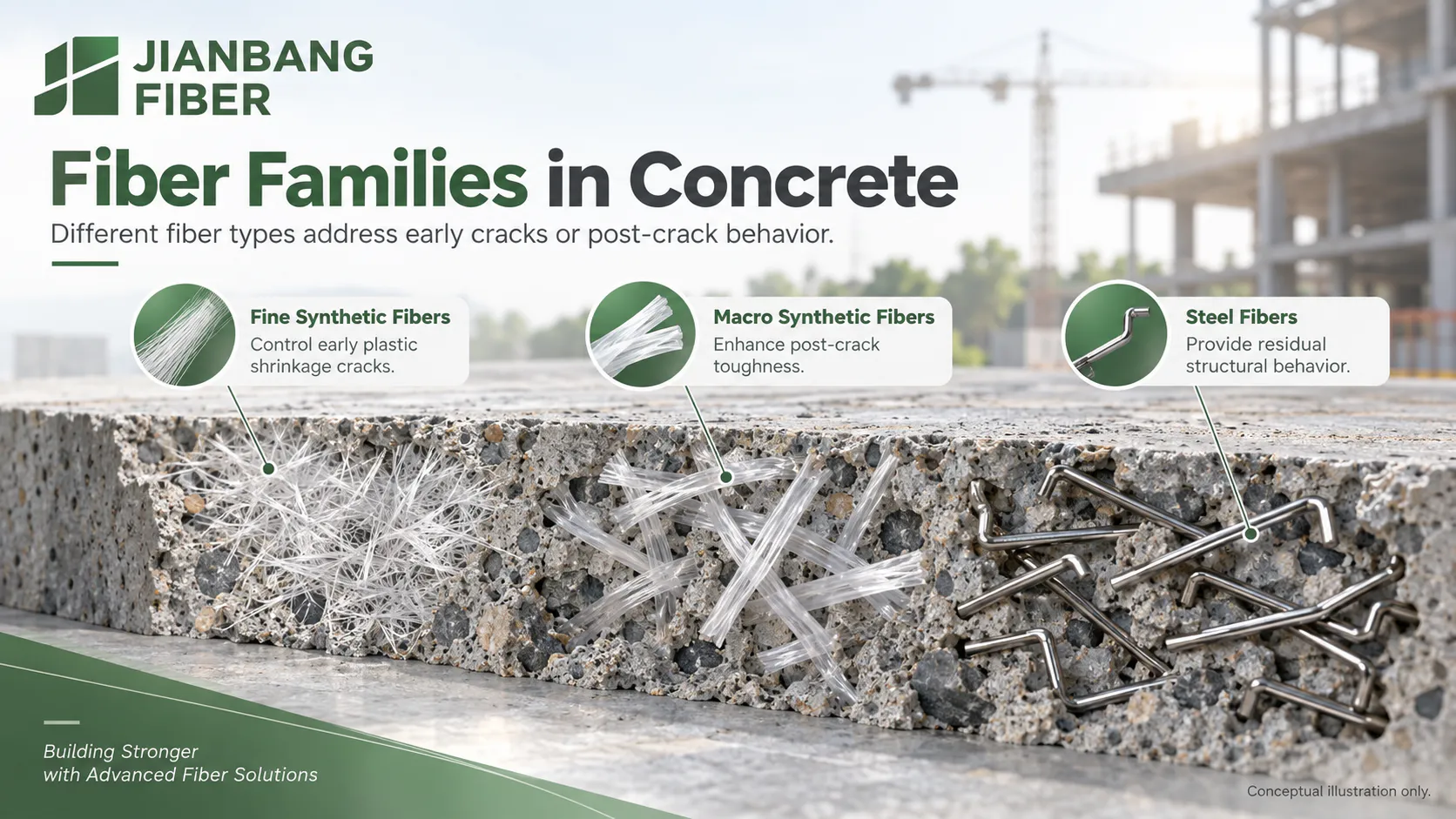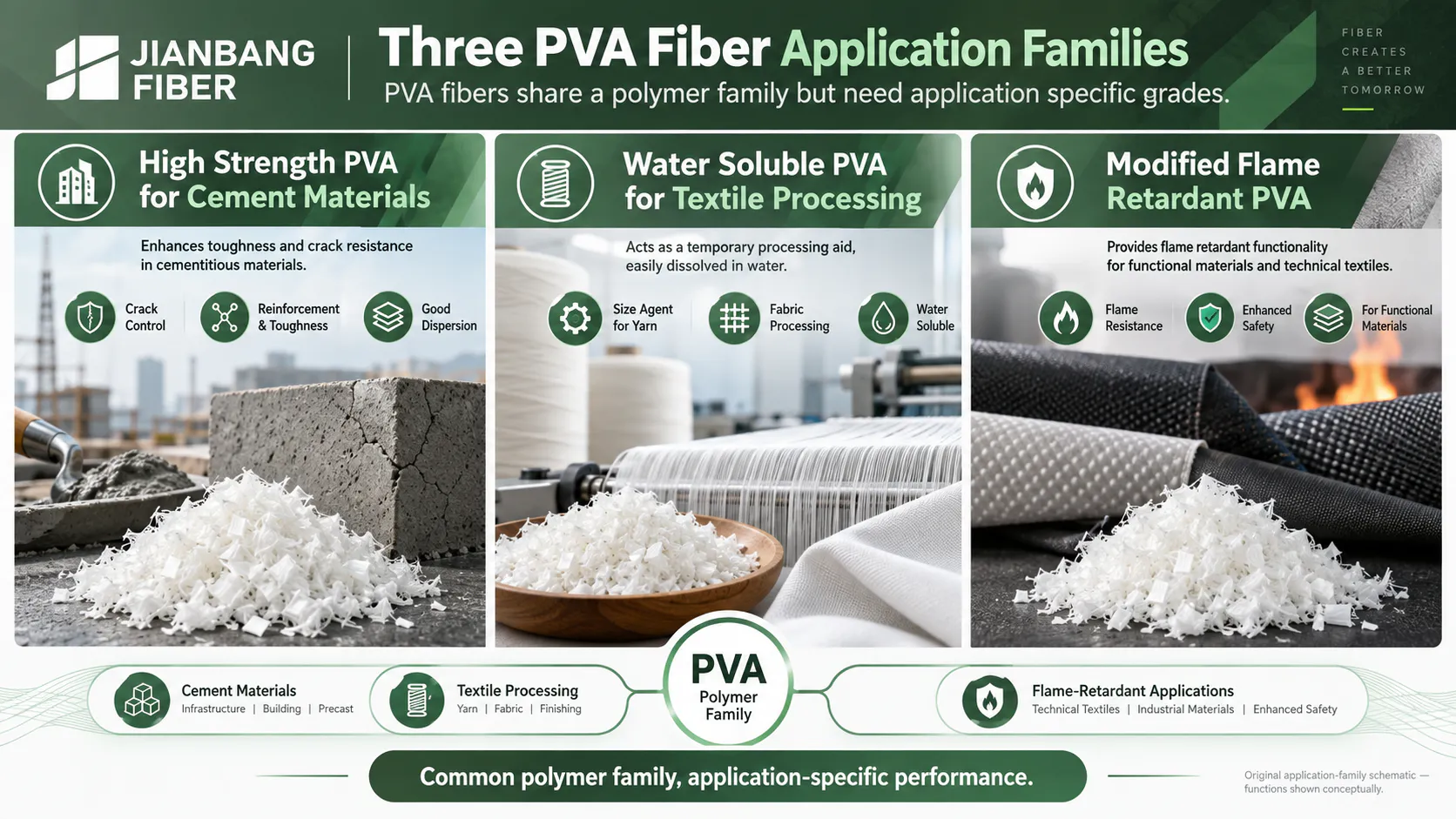
Ya, fiberglass dapat digunakan untuk memperkuat beton, tetapi hanya dalam bentuk yang tepat. Ini adalah poin kuncinya. Fiberglass biasa bukanlah jawaban yang tepat untuk bahan berbasis semen biasa karena beton bersifat sangat basa. Dalam pekerjaan beton, industri biasanya menggunakan serat kaca tahan alkali untuk GFRC dan campuran semen lainnya, atau menggunakan serat kaca-batang polimer yang diperkuat, biasanya disebut Batang GFRP, ketika pekerjaan membutuhkan tulangan yang tidak berkarat. ASTM C1666 ditulis secara khusus untuk serat kaca tahan alkali yang ditujukan untuk GFRC dan beton bertulang serat, dan ACI 440.11 ditulis untuk beton struktural yang diperkuat dengan tulangan GFRP.
Itu berarti jawaban singkatnya bukan hanya “ya.” Jawaban yang lebih baik adalah ya, tetapi tidak dengan fiberglass rumah tangga biasa dan bukan tanpa pendekatan desain yang tepat. Jika bahannya dipilih dengan baik, fiberglass dapat mengurangi keretakan, meningkatkan ketangguhan, menopang bagian beton yang tipis, dan membantu dalam lingkungan yang korosif. Jika dipilih dengan tidak tepat, bahan ini dapat mengalami degradasi dalam matriks semen atau berkinerja buruk dibandingkan dengan baja. Panduan serat ACI yang sudah berjalan lama menjelaskan bahwa serat kaca biasa seperti borosilikat E-glass diserang oleh alkali dalam pasta semen, dan inilah mengapa serat kaca tahan alkali dengan zirkonia dikembangkan untuk penggunaan beton.
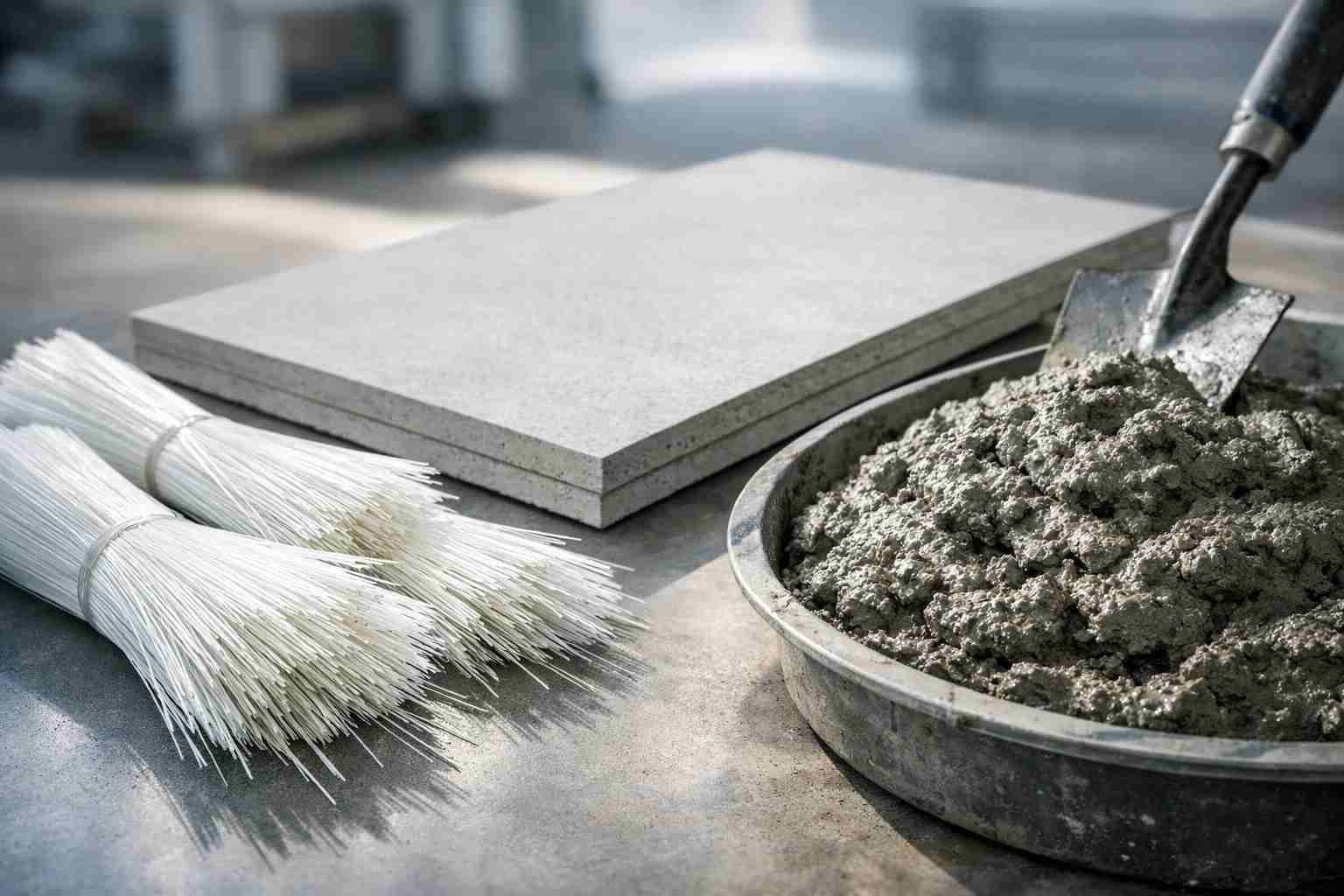
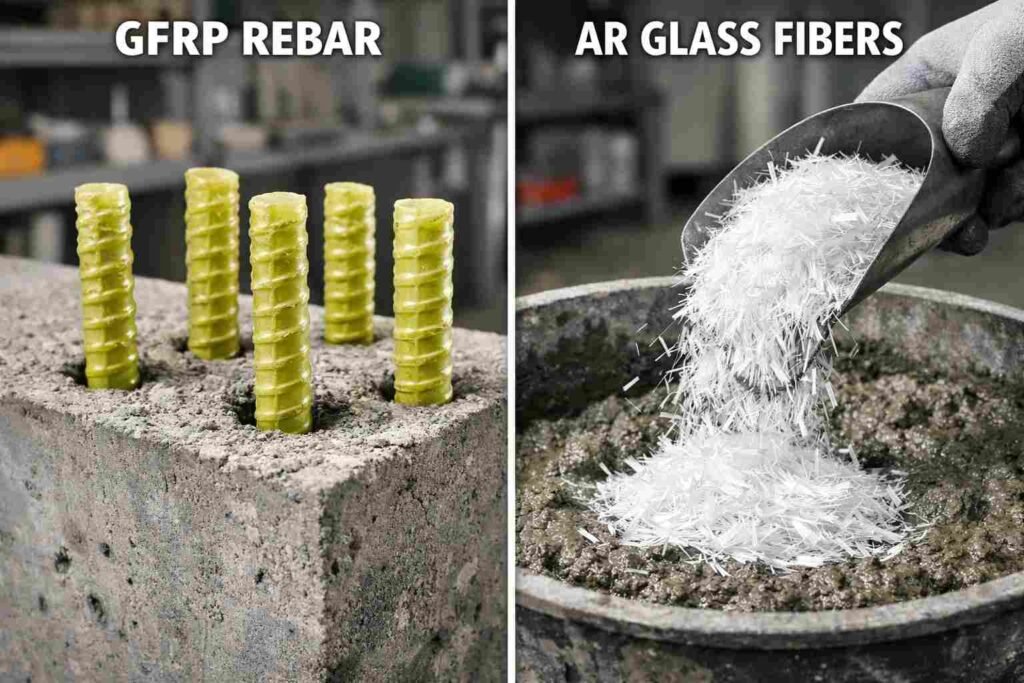
Fiberglass dapat memperkuat beton di dua cara utama. Yang pertama adalah dengan menambahkan serat kaca cincang tahan alkali ke dalam campuran beton atau mortar. Hal ini menciptakan beton yang diperkuat serat kaca, yang sering disebut GFRC atau GRC dalam pekerjaan panel. Yang kedua adalah dengan menggunakan Batang GFRP sebagai pengganti tulangan baja pada beberapa aplikasi struktural yang membutuhkan ketahanan korosi. Kedua penggunaan ini saling berkaitan, tetapi keduanya bukanlah produk yang sama dan tidak menyelesaikan masalah yang sama.
Jadi, ketika seseorang bertanya, “Dapatkah fiberglass digunakan untuk memperkuat beton?”, jawaban praktisnya adalah ini: ya, tetapi Anda perlu tahu apakah yang Anda maksud adalah serat kaca cincang dalam campuran atau batang fiberglass di dalam anggota. Salah satunya adalah tentang kontrol retak, bagian tipis, dan kinerja panel. Yang lainnya adalah tentang tulangan batang dengan aturan kode yang berbeda dari baja.
Mengapa Fiberglass Biasa Saja Tidak Cukup
Kata “fiberglass” dapat menyesatkan. Dalam bahasa sehari-hari, orang mungkin menggunakannya untuk insulasi, kain, untaian cacahan, atau produk komposit. Beton tidak menerima semua bentuk ini dengan baik. ACI menyatakan bahwa pekerjaan awal dengan serat kaca biasa menunjukkan bahwa serat kaca tersebut diserang dan akhirnya dihancurkan oleh alkali dalam pasta semen. Itulah alasan utama aplikasi beton beralih ke serat kaca tahan alkali daripada E-glass biasa. ASTM C1666 sekarang mendefinisikan serat kaca AR sebagai produk serat kaca yang tahan terhadap kondisi basa yang ditemukan dalam matriks semen Portland dan ditujukan untuk semen, mortar, dan tulangan beton.
Hal ini penting karena pembeli terkadang berasumsi bahwa setiap produk serat kaca dapat digunakan untuk beton. Itu bukan asumsi yang aman. Dalam praktiknya, Serat kaca AR adalah pilihan serat yang tepat untuk tulangan berbasis semen, bukan fiberglass umum dari industri lain. Spesifikasi panduan GFRC PCI juga sangat jelas dalam hal ini. Ini membutuhkan serat kaca tahan alkali dengan kandungan zirkonia minimum 16 persen, yang secara khusus diproduksi untuk digunakan dalam GFRC dan sesuai dengan ASTM C1666.
Rute Utama Pertama: Serat Kaca Tahan Alkali dalam Campuran
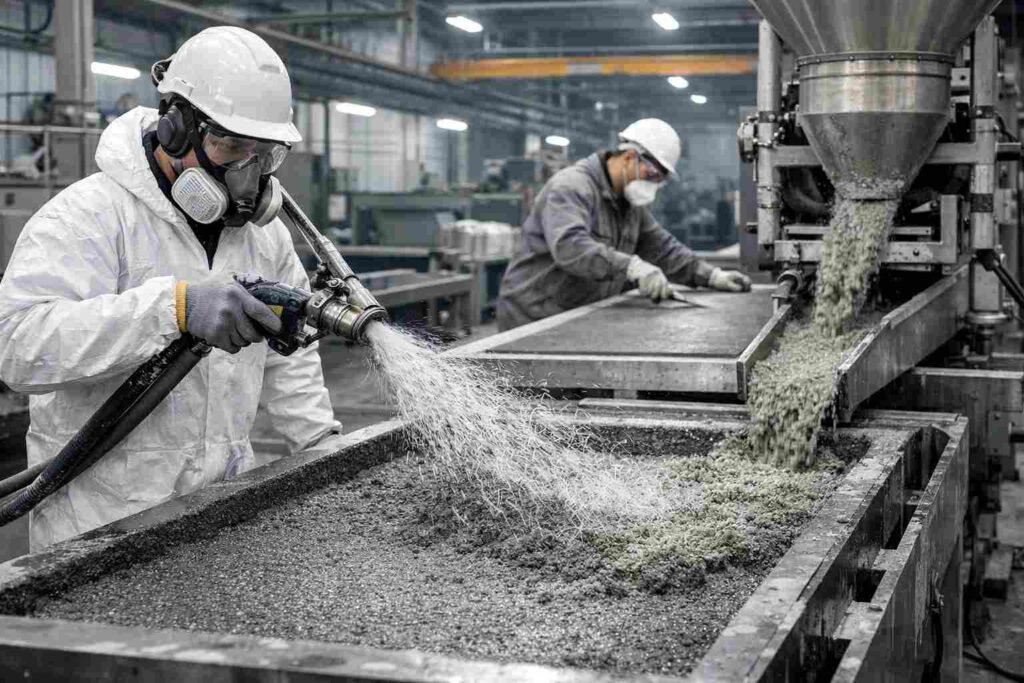
Cara yang paling umum untuk menggunakan fiberglass dengan beton adalah melalui GFRC, yang merupakan singkatan dari beton bertulang serat kaca. ASTM C1666 mengatakan bahwa serat kaca AR dimaksudkan untuk digunakan dalam GFRC spray-up, premix GFRC, beton bertulang serat, dan produk berbasis semen lainnya. Standar GFRC PCI mengatakan bahwa fokus utamanya adalah panel kelongsong arsitektural GFRC berdinding tipis tahan alkali yang dibuat dengan cara disemprot atau dicampur di bawah kondisi pabrik yang terkendali. ACI juga mencatat bahwa penggunaan beton bertulang serat kaca terbesar di Amerika Serikat adalah panel kelongsong arsitektural eksterior.
Hal ini memberi tahu kita sesuatu yang penting tentang pasar yang sebenarnya. Fiberglass dalam beton bukan hanya topik laboratorium. Ini sudah banyak digunakan di panel fasad, kelongsong dekoratif, elemen arsitektur tipis, cornice, sofit, layar, dan bagian pracetak ringan lainnya. Alasannya sederhana. Serat kaca dapat membantu matriks semen menangani tegangan dan pengendalian retak lebih baik daripada beton biasa, yang membuat bagian yang tipis menjadi lebih praktis.
Ulasan terbaru di Bahan mengatakan bahwa serat kaca meningkatkan kekuatan dan daya tahan beton secara keseluruhan, meskipun serat kaca mengurangi kemampuan mengalir. Ulasan yang sama mencatat bahwa serat kaca menjanjikan untuk tulangan beton karena berat jenisnya yang rendah, daya serap air yang rendah, modulus elastisitas yang tinggi, dan kekuatan tarik yang tinggi. Kajian tersebut juga melaporkan panjang serat kaca yang umum digunakan pada beton sekitar 6 hingga 18 mm dan kekuatan tarik yang dilaporkan dari sekitar 1000 MPa hingga 3400 MPa dalam literatur.
Apa yang Sebenarnya Ditingkatkan oleh Serat Kaca AR
Ketika serat kaca AR yang tepat digunakan dengan benar, serat kaca ini dapat membantu beton dengan beberapa cara yang bermanfaat. Tinjauan di atas melaporkan peningkatan kekuatan tarik, kekuatan lentur, ketahanan benturan, keuletan, dan perilaku beban pasca-retak, sementara juga mencatat potensi manfaat daya tahan di berbagai bidang seperti kontrol retak dan kinerja terkait permeabilitas. Ulasan lain di Bahan mengatakan bahwa serat kaca dapat membatasi lebar retak, panjang retak, dan total area retak karena aksi menjembatani retak.
Secara sederhana, serat kaca tidak membuat beton berhenti menjadi beton. Bahannya masih rapuh dibandingkan dengan baja. Namun serat dapat membantunya berperilaku lebih baik setelah retakan mikro dimulai. Inilah mengapa fiberglass berguna dalam elemen dinding tipis dan produk semen yang peka terhadap keretakan, terutama di mana panel yang lebih ringan lebih disukai daripada bagian beton biasa yang tebal.
Batasan Fiberglass Cincang dalam Beton
Hal ini tidak berarti bahwa serat kaca sempurna dalam setiap campuran. Sama Bahan ulasan mengatakan bahwa serat kaca umumnya mengurangi kemampuan aliran beton, dan memperingatkan bahwa dosis serat kaca yang lebih tinggi dapat sedikit mengurangi kinerja mekanis karena kemampuan kerja yang buruk. Ini merekomendasikan dosis optimum tipikal sekitar 2,0% dan mengatakan bahwa pemlastis tambahan mungkin diperlukan ketika dosis serat lebih tinggi.
Serat kaca juga masih memiliki masalah daya tahan untuk dikelola. Satu detik Bahan menyatakan bahwa kelemahan serat kaca adalah sensitivitasnya yang tinggi terhadap air dan ketahanan alkali yang buruk di lingkungan basa, itulah sebabnya mengapa serat AR yang mengandung zirkonia digunakan dalam beton. Laporan ketahanan ACI juga mencatat bahwa serat kaca tahan alkali masih dipelajari dengan seksama untuk penuaan jangka panjang pada struktur mikro sementit yang sangat basa. Jadi jawabannya adalah ya, fiberglass dapat memperkuat beton, tetapi matriks, kondisi pencahayaan, dan jenis serat masih sangat penting.
Itu juga mengapa GFRC biasanya diperlakukan sebagai sistem material khusus, bukan sebagai perubahan campuran di tempat kerja yang dilakukan secara sembarangan. Standar PCI berfokus pada produksi pabrik yang terkendali untuk panel GFRC, dan proses penyemprotan dengan tangan yang dijelaskan dalam literatur membutuhkan keahlian yang cermat, peralatan khusus, dan pekerja yang berpengalaman ketika volume serat yang lebih tinggi digunakan.
Rute Utama Kedua: Batang GFRP sebagai Penguat Beton
Rute utama lainnya adalah Penguatan batang GFRP. Hal ini sangat berbeda dengan serat kaca yang dicacah dalam campuran. ACI 440.11 sekarang menjadi kode bangunan formal untuk beton struktural yang diperkuat dengan batang polimer yang diperkuat serat kaca. Kode tersebut menyatakan bahwa kode tersebut memberikan persyaratan minimum untuk material, desain, dan perincian bangunan beton struktural dan, jika ada, struktur non-bangunan yang diperkuat dengan batang GFRP yang sesuai dengan ASTM D7957-22.
Ini berarti fiberglass juga dapat memperkuat beton pada posisi umum yang sama dengan tulangan baja. Dalam prakteknya, para insinyur melihat GFRP ketika mereka menginginkan ketahanan korosi, ringan, berat yang rendah, dan perilaku nonmagnetik. Halaman resmi FRP FDOT mengatakan bahwa tulangan FRP dapat dibuat dari kaca, basal, atau serat karbon dalam matriks resin dan perlakuan permukaan digunakan untuk memfasilitasi ikatan dengan beton. FDOT juga mencantumkan manfaat seperti ketahanan yang tinggi terhadap klorida dan serangan kimia, kekuatan tarik yang lebih besar dari baja, dan berat sekitar seperempat dari baja.
FHWA juga telah mempublikasikan pekerjaan teknis tentang batang FRP pada perkerasan beton. Ringkasan teknologinya menjelaskan bahwa batang FRP sedang diselidiki sebagai pengganti batang baja karena ketertarikan untuk mengurangi masalah yang berhubungan dengan korosi pada perkerasan beton. Jadi di lingkungan korosif, batang fiberglass dapat menjadi pilihan penguatan yang serius daripada hanya sebagai bahan eksperimental.
Tetapi Batang GFRP Bukan Sekedar Tulangan Baja dengan Warna Berbeda
Perhatian yang sangat penting diperlukan di sini. Batang GFRP adalah tidak pertukaran satu-untuk-satu yang sederhana untuk baja dalam setiap desain. FDOT mengatakan dengan jelas bahwa tulangan FRP memiliki pro dan kontra, dan karena perilakunya yang tidak elastis dan temuan penelitian yang sedang berlangsung, kode desain saat ini secara signifikan mengurangi kapasitas tegangan yang diijinkan yang digunakan dalam desain. ACI 440.11 ada karena alasan ini. ACI 440.11 memperlakukan beton bertulang GFRP sebagai sistem desain yang terpisah dengan aturan kode tersendiri untuk kekuatan, kemudahan servis, daya tahan, detail, dan ketahanan terhadap api.
Jadi jika pertanyaannya adalah apakah fiberglass dapat menggantikan tulangan baja pada semua pekerjaan beton, jawaban yang benar adalah tidak, tidak secara otomatis. GFRP dapat menggantikan baja pada beberapa aplikasi, tetapi hanya jika desainnya mengikuti ketentuan kode khusus GFRP dan insinyur menerima perilaku material yang berbeda. Ini adalah salah satu alasan mengapa GFRP menarik untuk jembatan, paparan laut, dan proyek-proyek yang kritis terhadap korosi lainnya, tetapi tidak dapat digunakan di semua tempat.
Ketika Fiberglass Paling Masuk Akal dalam Beton
Fiberglass paling masuk akal dalam beton ketika proyek memiliki alasan yang jelas untuk menggunakannya. Untuk GFRC, yang biasanya berarti panel tipis, beban mati yang berkurang, kebebasan arsitektural, atau produk semen yang peka terhadap keretakan yang diuntungkan oleh serat kaca AR yang terdistribusi. Standar PCI dan panduan ACI keduanya mengarah pada kelongsong arsitektural yang tipis dan produksi pracetak yang terkendali sebagai kasus penggunaan utama.
Untuk Batang GFRP, kasus penggunaan terkuat adalah proyek di mana ketahanan korosi lebih penting daripada mengikuti perilaku baja yang sudah dikenal. FDOT menyoroti ketahanan klorida dan bahan kimia sebagai manfaat utama, dan pekerjaan perkerasan FHWA membingkai FRP sebagai cara untuk mengurangi masalah yang berhubungan dengan korosi pada perkerasan beton bertulang.
Ketika Fiberglass Adalah Pilihan yang Salah
Fiberglass adalah pilihan yang salah ketika pembeli hanya menginginkan pengganti baja yang murah atau mengasumsikan produk kaca biasa akan bekerja dalam beton. Fiberglass biasa bukanlah bahan yang tepat untuk tulangan beton langsung karena alkalinitas semen. Laporan serat ACI menjelaskan hal tersebut dengan sangat jelas, dan ASTM C1666 ada karena hanya serat kaca AR yang ditujukan untuk GFRC dan tulangan berbasis semen.
Fiberglass juga dapat menjadi pilihan yang salah ketika proyek membutuhkan solusi beton bertulang struktural standar dengan perilaku baja yang sudah dikenal, penanganan lapangan yang sederhana, dan tidak ada metode desain khusus. Batang GFRP dapat digunakan, tetapi membutuhkan desain kode GFRP. GFRC dapat berfungsi, tetapi biasanya membutuhkan produksi yang terkontrol dan kontrol campuran yang cermat. Singkatnya, fiberglass bekerja paling baik jika dipilih untuk alasan teknik tertentu, bukan sebagai peningkatan yang tidak jelas.
Bagaimana Menjawab Pertanyaan dengan Cara yang Benar
Jadi, apakah fiberglass dapat digunakan untuk memperkuat beton? Ya. Tetapi dalam konstruksi profesional, itu biasanya berarti salah satu dari dua jawaban spesifik ini:
1. Ya, sebagai serat kaca AR dalam campuran
Ini adalah rute GFRC. Hal ini biasa terjadi pada panel kelongsong tipis dan produk berbasis semen khusus lainnya. Serat harus tahan alkali dan dirancang untuk penggunaan beton.
2. Ya, sebagai batang GFRP
Ini adalah rute tulangan batang. Rute ini digunakan jika tulangan yang tidak berkarat sangat berharga, tetapi mengikuti aturan kode yang berbeda dari baja.
Di Ecocretefiber™, kami percaya bahwa perbedaan ini adalah yang paling berguna bagi pembeli. Masalah sebenarnya bukanlah apakah fiberglass terdengar modern. Masalah sebenarnya adalah apakah produk fiberglass cocok dengan pekerjaan beton. Shandong Jianbang Chemical Fiber Co, Ltd. mendukung pendekatan tersebut karena pilihan penguatan yang baik berasal dari pencocokan jenis material, kondisi paparan, dan target kinerja, bukan dari penggunaan satu kata umum untuk produk yang sangat berbeda.
Kesimpulan
Fiberglass dapat digunakan untuk memperkuat beton, tetapi haruslah fiberglass yang tepat dalam peran yang tepat. Untuk tulangan campuran, itu berarti serat kaca tahan alkali dibuat untuk GFRC dan beton bertulang serat. Untuk tulangan batang, itu berarti Batang GFRP dirancang dan dirinci di bawah kode khusus GFRP. Fiberglass biasa tidak cukup karena lingkungan basa beton dapat merusak serat kaca standar dari waktu ke waktu.
Jawaban yang paling praktis adalah sederhana. Gunakan Serat kaca AR ketika Anda membutuhkan elemen semen yang tipis, pengontrol keretakan, dan solusi panel yang ringan. Gunakan Batang GFRP ketika ketahanan korosi dan tulangan bukan logam cukup penting untuk membenarkan metode desain yang berbeda. Jangan gunakan fiberglass umum sebagai jalan pintas. Itu adalah cara yang paling jelas untuk menilai bahan, dan itu juga cara kami berpikir tentang pilihan penguat di Ecocretefiber™.