ECOCRETE™ Polyacrylonitrile Fiber

PAN-based micro-reinforcement for crack control in concrete and asphalt.

What is Polyacrylonitrile Fiber?

Polyacrylonitrile Fiber is a PAN-based, bundle-monofilament reinforcement designed for cement and asphalt mixes. It disperses quickly in mixing and creates a dense micro-network that raises tensile and flexural performance, controls shrinkage cracking, and improves impact and shear resistance in demanding pavements and structures.

ECOCRETE™ Polyacrylonitrile Fiber (PAN fiber) strengthens cement and asphalt concrete by bridging micro-cracks, boosting tensile/fatigue/flexural strength, and improving early-age crack resistance. In asphalt, it enhances adhesion, high-temperature stability, and fatigue durability while helping to prevent low-temperature and reflective cracking.

Lab tensile/adhesion testing of AR glass fibers and cement matrix

Technical Parameter

  • Composition: 100% Polyacrylonitrile (PAN)
  • Form: Bundled monofilament
  • Equivalent Diameter: 13–20 μm
  • Color: White or pale yellow
  • Standard Lengths: 0.5 / 3 / 6 / 12 / 19 mm (customizable)
  • Tensile Strength: ≥ 900 MPa
  • Specific Gravity: 1.18 g/cm³
  • Elongation at Break: 15 ± 5%
  • Elastic Modulus: ≥ 13 GPa
  • Acid/Alkali Resistance: ≥ 95% retention
  • Heat Resistance: ≥ 220 °C
  • Water Absorption: None
Lab tensile/adhesion testing of AR glass fibers and cement matrix
Concrete surface before vs after crack control with AR glass fibers

Key Benefits of Polyacrylonitrile Fiber

  • Crack Control in Concrete: Improves tensile, fatigue and flexural strength; upgrades early-age crack resistance.
  • Asphalt Performance: Enhances adhesion, high-temperature stability and fatigue durability; helps prevent low-temperature and reflective cracking.
  • High Temperature & Chemical Stability: Heat resistance ≥220 °C; excellent alkali/acid resistance; no water absorption.
  • High Strength, High Value: ≥900 MPa tensile with balanced elongation—cost-efficient for roads, bridges and heavy-duty slabs.
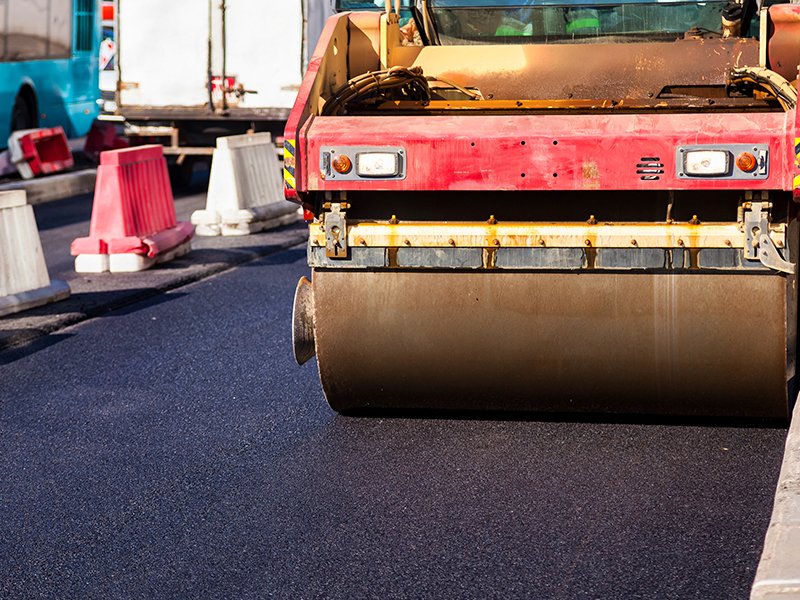
Ecocrete™ PAN Fiber for asphalt mixtures – rutting and cracking resistance in overlays

Applications of Polyacrylonitrile Fiber

  • Cement Concrete: precast panels/components; concrete roads/bridges/airport runways; ports/deep-water wharfs/cold-region works; crash barriers and impact-resistant panels; tanks/pools/wastewater structures; hydraulic/hydropower face slabs; basement walls/rafts/roof slabs; mortars and grouts.
  • Asphalt Concrete: new wearing courses, overlays on old pavements, patching/joint sealing, steel-bridge deck surfacing.
Ecocrete™ PAN Fiber for asphalt mixtures – rutting and cracking resistance in overlays
Worker handling bagged AR-glass fibers in front of stacked inventory

How to Use & Recommended Dosage

  • Concrete (typical): 0.6–2.0 kg/m³; for bridge deck overlays or higher impact requirements: 1.5–1.8 kg/m³ (follow project spec).
  • Asphalt: Dry-mix fibers with aggregates for ~20 s, then add asphalt; total mixing ≥60 s.
  • Mixing Order (cementitious): Aggregates → Polyacrylonitrile Fiber → cement → water/admixtures → mix to full dispersion.

Packaging & Logistics

  • Inner Packs: 0.6–3 kg PE bags
  • Outer Packs: 10–25 kg woven bag or carton
  • Palletization: ~500 kg/pallet
  • 20′ Container: ~10 t (≈1 t/pallet, 10 pallets)
  • 40′ HQ: ~24 t (≈1.2 t/pallet, 20 pallets)
  • Typical Lead Time: 5–10 days
SHIPMENT

Global Shipping & Delivery

We work with reliable forwarders for FCL/LCL worldwide. Consolidation, pallet planning and complete QC documents help streamline customs and shorten lead time.

Why Ecocrete™

  • Factory-Direct Supply & QC for consistent quality and predictable lead times.
  • Concrete & Asphalt Know-How backed by on-site usage guidance (dosage, mixing windows).
  • Complete Paperwork: COA / SDS / TDS, ISO 9001, and project inspection files on request.
  • Custom Options: lengths (0.5–19 mm typical), inner-bag sizes, and pallet plans.
PP fiber extrusion lines forming consistent monofilament
Palletized fiber bags stored in a covered warehouse

FAQs — Polyacrylonitrile Fiber

A: Higher tensile/flexural/fatigue strength and better early crack resistance.

A: Improved adhesion, high-temperature stability, fatigue durability, plus resistance to low-temperature and reflective cracking.

A: Yes—heat resistance ≥220 °C; excellent alkali/acid resistance; zero water absorption.

A: Standard 0.5/3/6/12/19 mm; select shorter for surface finish and mortar, longer for crack-bridging in concrete layers.

A: Concrete 0.6–2.0 kg/m³ (1.5–1.8 kg/m³ for high-impact overlays); follow project specs and trial mix.

Certificates & Test Reports

Every batch is traceable. We provide COA, SDS, TDS, factory ISO9001 and project-specific third-party test reports upon request. Original stamped copies and bilingual versions are available.

Technical Data Sheet (TDS) for AR glass fiber

TDS — Technical Data Sheet

ISO 9001 quality management certificate

ISO 9001 — Quality Management

Project random inspection report

Project Random Inspection

COA – Certificate of Analysis (AR-glass batch)

COA — Certificate of Analysis (per batch)

Safety Data Sheet (SDS) for AR glass fiber

SDS — Safety Data Sheet

Send message

Let's make a difference

Tell us about your project and timeline. We’ll reply with factory pricing and a shipping plan.

Schedule Appointment

Fill out the form below, and we will be in touch shortly.

Contact Information

Schedule Appointment

Fill out the form below, and we will be in touch shortly.

Contact Information

Schedule Appointment

Fill out the form below, and we will be in touch shortly.

Contact Information