ECOCRETE™ Polyvinyl Alcohol Fiber

Alkali-resistant, cement-friendly micro-reinforcement for crack control and durability.

What is Polyvinyl Alcohol Fiber?

Polyvinyl Alcohol Fiber is an eco-friendly cement reinforcement with excellent affinity to cement, designed to disperse rapidly and bridge micro-cracks. Its high toughness/modulus and durable chemistry make it ideal for concrete elements that demand long service life and tight crack control.

ECOCRETE™ Polyvinyl Alcohol Fiber (PVA fiber) bonds strongly with cement paste, offering outstanding alkali and weather resistance. It suppresses crack initiation and growth, improves flexural and impact strength, and enhances seismic/impact performance across walls, roofs, floors, roads, bridges and tunnels.

Lab tensile/adhesion testing of AR glass fibers and cement matrix

Technical Parameter

  • Material: Polyvinyl Alcohol (PVA)
  • Melting Point: >240 °C
  • Tensile Strength: ≥1200 MPa
  • Elastic Modulus: ≥30 GPa
  • Elongation at Break: ≤15%
  • Equivalent Diameter: 13 ± 3 μm
  • Standard Lengths: 4 / 6 / 12 mm (customizable)
  • Alkali Resistance: ≥90% retention
  • Safety: Non-toxic
Lab tensile/adhesion testing of AR glass fibers and cement matrix
Concrete surface before vs after crack control with AR glass fibers

Key Benefits of Polyvinyl Alcohol Fiber

  • Superior Crack Control – Prevents and inhibits crack formation and growth; boosts flexural and impact strength.
  • Cement Affinity & High Modulus – Strong bonding with cement matrix; high toughness and elastic modulus for effective micro-bridging.
  • Durability in Harsh Conditions – Excellent alkali/weather resistance; long-term performance verified in fiber-cement boards.
  • Eco-friendly & Non-corrosive – Non-toxic and stable; ideal replacement for asbestos and glass fibers in many uses.
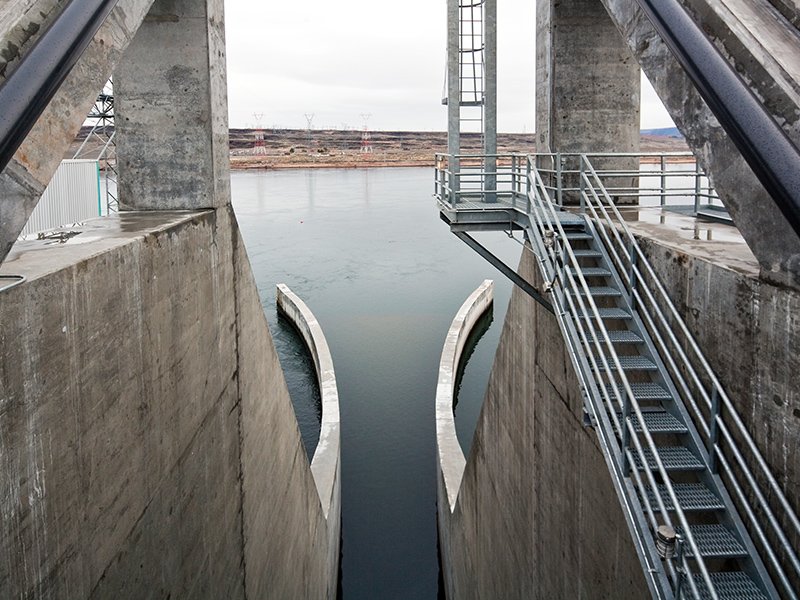
Ecocrete™ PVA Fiber for dam and channel concrete – micro-crack control and durability

Applications of Polyvinyl Alcohol Fiber

  • Concrete Works: walls, roofs, floors; roads/bridges; tunnels and slope stabilization; water tanks and hydraulic structures.
  • Fiber-Cement & Building Boards: lightweight wall panels, GRC boards, insulation boards—recognized replacement for asbestos/glass in many items.
  • Large Volume & Pavements: parking lots, barriers/fences, runways, factory floors.
  •  
Ecocrete™ PVA Fiber for dam and channel concrete – micro-crack control and durability
Worker handling bagged AR-glass fibers in front of stacked inventory

How to Use & Recommended Dosage

  • Concrete & Mortar (typical):

    • Mortar/grout: 0.6–1.0 kg/m³

    • Concrete: 0.6–1.9 kg/m³ (optimize via trial mix)

  • Mixing Order (cementitious): Aggregates → Polyvinyl Alcohol Fiber → cement → water → mix; add water as needed until fibers fully disperse.

Packaging & Logistics

  • Inner Packs: 0.6–2 kg PE bags (small packs)
  • Outer Packs: 10–25 kg woven bag or carton
  • Palletization: ≈1.0 t/pallet (20′) · ≈1.2 t/pallet (40′ HQ)
  • Container Loads: 20′ ≈10 t; 40′ HQ ≈24 t
  • Typical Lead Time: 5–10 days
  •  
SHIPMENT

Global Shipping & Delivery

We partner with dependable forwarders for FCL/LCL worldwide. Consolidation, pallet optimization and complete QC documents help streamline customs and shorten lead time.

Why Ecocrete™

  • Factory-Direct & QC for stable quality and predictable lead times.
  • Proven Cement Affinity with high toughness/modulus for long-life concrete.
  • Complete Paperwork: COA / SDS / TDS, ISO 9001; project inspection on request.
  • Custom Options: 4/6/12 mm lengths (others on request), small-pack weights, pallet plans.
PP fiber extrusion lines forming consistent monofilament
Palletized fiber bags stored in a covered warehouse

FAQs — Polyvinyl Alcohol Fiber

A: It offers strong bonding with cement, high modulus/toughness, and durable alkali/weather resistance; widely recognized as a safer, cost-effective alternative in many board and concrete applications.

A: With the recommended mixing order and proper water/superplasticizer adjustment, PVA fibers disperse uniformly without balling.

A: 4–6 mm for mortars and surface finish; 12 mm for concrete layers needing stronger micro-crack bridging.

A: Yes—non-toxic, alkali-resistant (≥90% retention), and weather-resistant.

Certificates & Test Reports

Every batch is traceable. We provide COA, SDS, TDS, factory ISO9001 and project-specific third-party test reports upon request. Original stamped copies and bilingual versions are available.

Technical Data Sheet (TDS) for AR glass fiber

TDS — Technical Data Sheet

ISO 9001 quality management certificate

ISO 9001 — Quality Management

Project random inspection report

Project Random Inspection

COA – Certificate of Analysis (AR-glass batch)

COA — Certificate of Analysis (per batch)

Safety Data Sheet (SDS) for AR glass fiber

SDS — Safety Data Sheet

Send message

Let's make a difference

Tell us about your project and timeline. We’ll reply with factory pricing and a shipping plan.

Schedule Appointment

Fill out the form below, and we will be in touch shortly.

Contact Information

Schedule Appointment

Fill out the form below, and we will be in touch shortly.

Contact Information

Schedule Appointment

Fill out the form below, and we will be in touch shortly.

Contact Information