İnsanlar sorduğunda “Farklı çelik elyaf türleri nelerdir?”, Genellikle iki şeyden birini kastederler. Onlar isteyebilir standart siniflandirmalar ASTM veya EN standartlarında kullanılır. Veya aşağıdakileri isteyebilirler ortak pazar şeki̇lleri̇ kataloglarda gördükleri kancalı uçlu, kıvrımlı, düz veya bükümlü lifler gibi. Her iki yol da doğrudur. Standartlar çelik lifleri esas olarak nasıl yapıldıklarına göre sınıflandırır. Piyasa bunları genellikle şekil ve ankraj stiline göre tanımlar.
Bu yüzden konu ilk başta kafa karıştırıcı gelebilir. Bir lif şöyle adlandırılabilir soğuk çekilmiş tel çelik elyaf bir standart altında, ancak aynı ürün aynı zamanda kancalı uçlu çelik elyaf Çünkü alıcıların ilk fark ettiği şekil budur. Dolayısıyla, en iyi cevap her iki sistemi de basit bir şekilde açıklamaktır.
Kısa Cevap
Ana çelik elyaf türleri genellikle iki şekilde gruplandırılır:
- Üretim yöntemine göre: Hangi standardı takip ettiğinize bağlı olarak soğuk çekilmiş tel, kesilmiş levha, eritilerek çıkarılmış, frezede kesilmiş veya traşlanmış soğuk çekilmiş tel ve modifiye edilmiş soğuk çekilmiş tel veya bloktan frezelenmiş elyaflar.
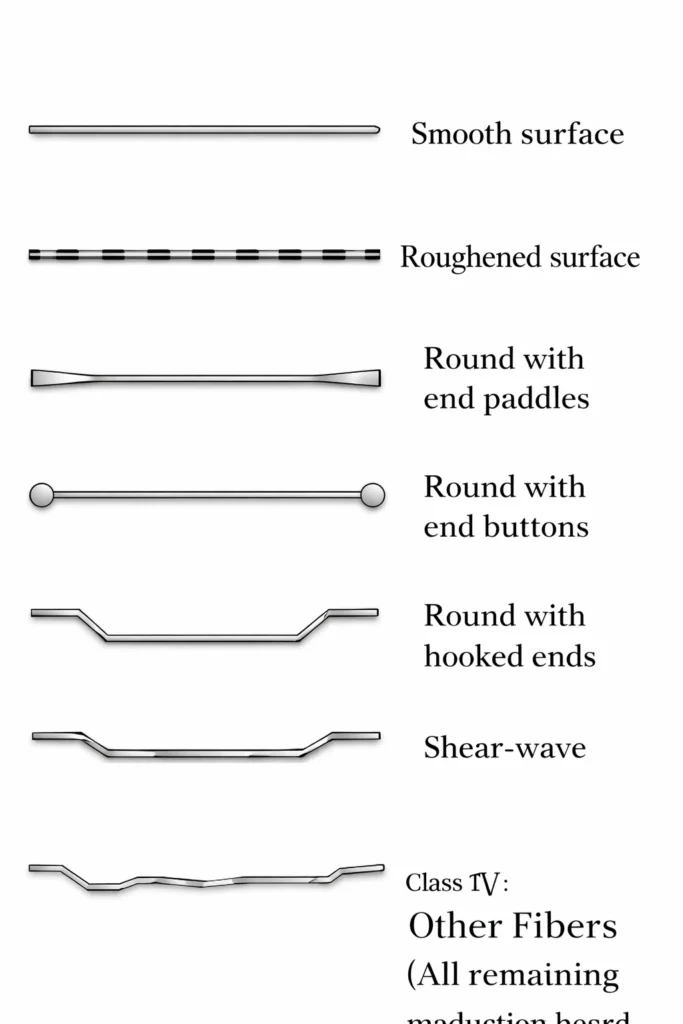
- Şekle göre: Betonda ankrajı iyileştirmek için yapılan düz, kancalı uçlu, kıvrımlı veya oluklu, düz uçlu veya genişletilmiş uçlu, bükülmüş ve diğer deforme olmuş formlar.
Eğer tek bir şey hatırlıyorsanız, bunu hatırlayın: Standartlar elyafın nereden geldiğine ve nasıl üretildiğine odaklanırken, mühendisler ve alıcılar genellikle elyafın şekline ve betonu nasıl kavradığına odaklanır.
Standart Sınıflandırmaya Göre Çelik Elyaf Türleri
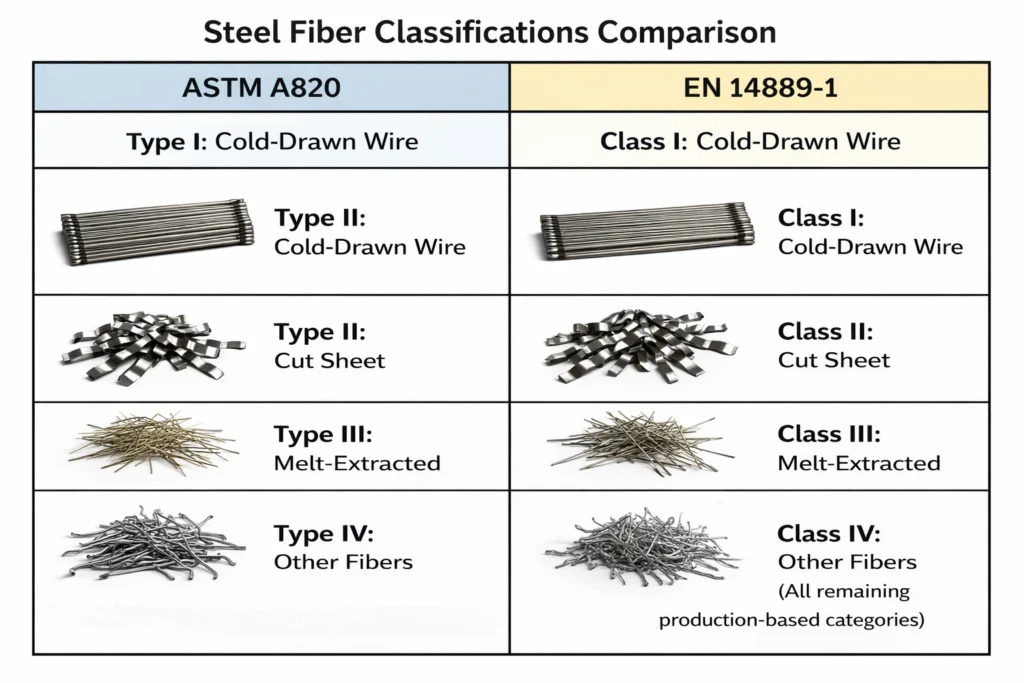
Kuzey Amerika'da en yaygın kullanılan standart ASTM A820/A820M. Elyaf takviyeli beton için beş çelik elyaf tipi tanımlamaktadır. Bunlar Tip I soğuk çekilmiş tel, Tip II kesilmiş levha, Tip III eritilerek çıkarılmış, Tip IV frezede kesilmiş ve Tip V modifiye edilmiş soğuk çekilmiş teldir. ASTM ayrıca bu liflerin düz veya deforme olabileceğini belirtmektedir.
Avrupa'daki ana sınıflandırma şöyledir EN 14889-1. Ayrıca beş grup kullanır, ancak son kategoriler biraz farklı adlandırılmıştır. EN 14889-1'de Grup I soğuk çekilmiş tel, Grup II kesilmiş levha, Grup III eritilerek çıkarılmış, Grup IV traşlanmış soğuk çekilmiş tel ve Grup V bloklardan frezelenmiş olarak listelenmiştir. Aynı standartta liflerin düz veya deforme olabileceği de belirtilmektedir.
Dolayısıyla, ASTM ve EN'yi karşılaştırdığınızda, ilk üç grubu eşleştirmek kolaydır. Fark genellikle son iki kategoride ortaya çıkar. ASTM şunları kullanır değirmen kesimi ve modifiye soğuk çekilmiş tel, kullanırken, EN traşlanmış soğuk çekilmiş tel ve bloklardan öğütülmüş. Gerçek satın alma işlerinde, birçok tedarikçi hala ürünü önce şekline göre tanımlayacaktır, çünkü bu müteahhitlerin anlaması için daha kolaydır.
1. Soğuk Çekilmiş Tel Çelik Elyaf
Soğuk çekilmiş çelik tel elyaf, piyasadaki en yaygın kategorilerden biridir. ASTM'ye göre Tip I, EN'ye göre Grup I. Bu elyaflar, gerekli boyuta kadar çekilen, ardından boyuna kesilen ve genellikle daha iyi bağlanma için deforme edilen çelik telden elde edilir. NPCA'nın sektör rehberine göre soğuk çekilmiş tel, kaynak telin yüksek gerilme mukavemeti nedeniyle prekast betonda kullanılan en yaygın çelik elyaftır.
Bu kategori, özellikle kancalı uç ve bazı düz elyaflar olmak üzere alıcıların zaten bildiği birçok ürünü kapsar. Prekast, plakalar ve püskürtme betonda çok yaygındır. Birçok çelik elyaf kataloğunu açarsanız, ürün yelpazesinin büyük bir kısmının soğuk çekilmiş tele dayandığını görürsünüz.
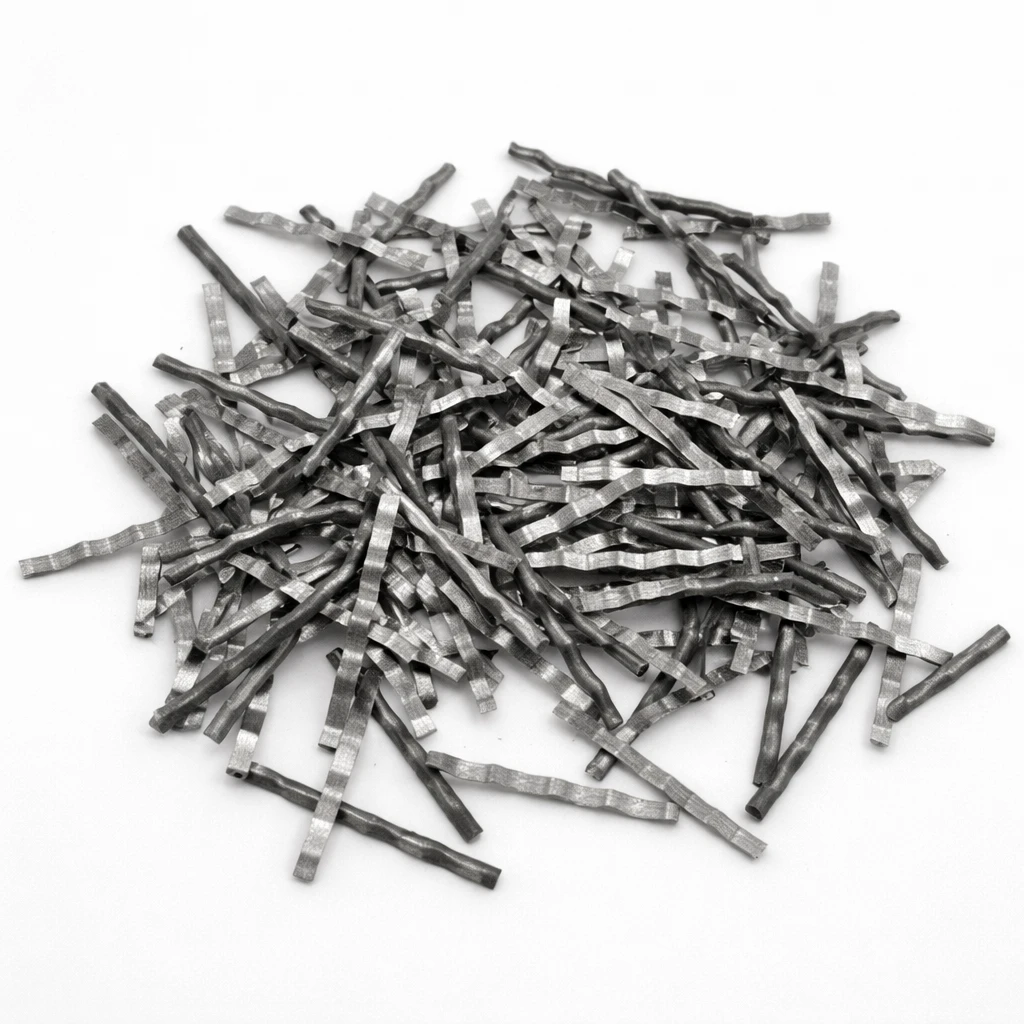
2. Kesilmiş Sac Çelik Elyaf
Kesilmiş çelik sac elyaf, yarılmış veya dar elyaf parçaları halinde kesilmiş çelik sacdan yapılır. ASTM bunu Tip II olarak listeler. EN bunu Grup II olarak listeler. Bu elyaflar, diğer kategorilerde olduğu gibi düz veya deforme olabilir.
Kesilmiş sac elyaflar tanınmış bir standart tiptir, ancak birçok günlük ürün konuşmasında soğuk çekilmiş telden daha az sıklıkla tartışılırlar. Buna rağmen, her iki ana standardın da bir parçası olmaya devam etmektedirler ve ürün geometrisinin ve fiyat noktasının işe uygun olduğu yerlerde hala kullanılmaktadırlar.
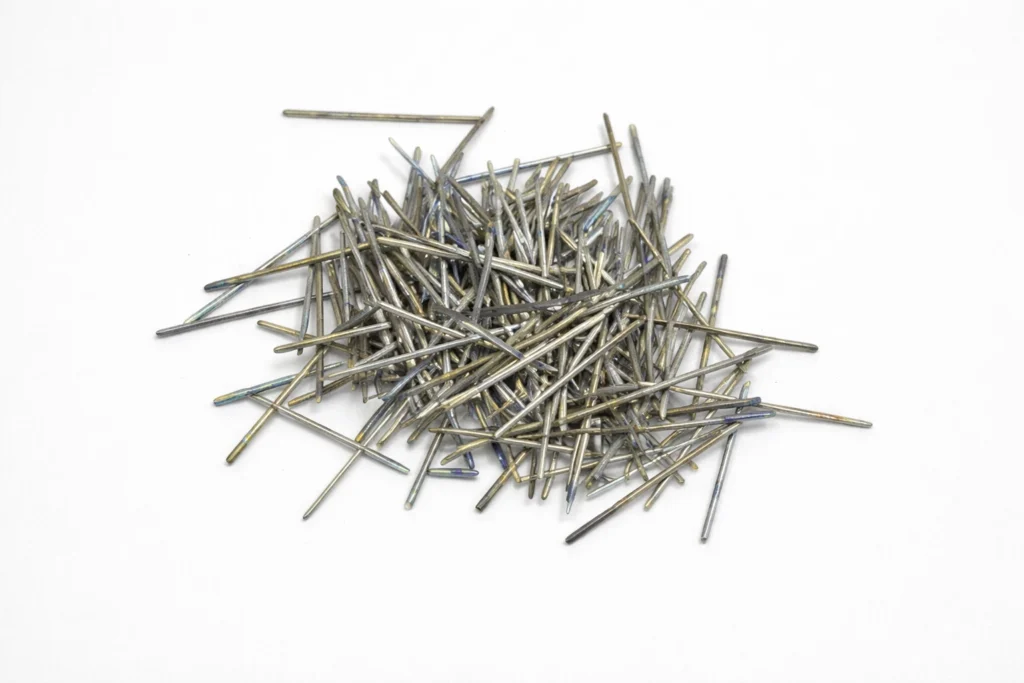
3. Eritilerek Ekstrakte Edilmiş Çelik Elyaf
Eritilerek ekstrakte edilmiş çelik elyaf doğrudan erimiş çelikten üretilir. ASTM bunu Tip III olarak listeler. EN bunu Grup III olarak listeler.
Bu elyaflar genellikle tel bazlı ürünlerden farklı bir yüzeye ve kesite sahiptir. EN 14889-1, Grup III liflerin düzensiz kesitlere sahip olduğunu belirtmektedir, bu da çekme mukavemeti için test yönteminin ilk iki gruptan farklı olarak ele alınmasının bir nedenidir.
4. Değirmende Kesilmiş Çelik Elyaf veya Traşlanmış Soğuk Çekilmiş Tel
Burada adlandırma standarda bağlı olarak değişir. ASTM şunları kullanır Tip IV değirmen kesimi. EN kullanır Grup IV traşlanmış soğuk çekilmiş tel.
Bu isimler, her ürünün iki standartta da aynı olduğu anlamına gelmez. Yine de her ikisi de tipik temel soğuk çekilmiş tel şekli olmayan elyafları tanımlar. Pratik açıdan, mühendislerin bir elyafı onaylamadan önce hem standart tipi hem de ürün sayfasını kontrol etmelerinin bir nedeni budur. Standart tip size kaynağı ve üretim rotasını söyler. Ürün sayfası ise size gerçek geometriyi, uzunluğu, en-boy oranını ve ankraj şeklini söyler.
5. Modifiye Soğuk Çekilmiş Tel veya Bloktan Öğütülmüş Çelik Elyaf
ASTM Tip V modifiye soğuk çekilmiş tel. EN Grup V bloklardan öğütülmüş.
Bu, alıcıların dikkatle okuması gereken bir başka yerdir. Etiket sadece küçük bir ifade değişikliği değildir. Farklı bir standart dilini yansıtmaktadır. Yine de piyasada birçok kişi bu elyafları deforme olmuş, bükülmüş veya başka bir ankraj stili gibi gördükleri son şekle göre tanımlayacaktır, çünkü bu, elyafın betonda nasıl davranabileceğine karar vermelerine yardımcı olur.
Şekillerine Göre Çelik Elyaf Çeşitleri
Çoğu müteahhit, tasarımcı ve alıcı için şekle dayalı cevabın kullanımı daha kolaydır. Bunun nedeni, elyaf şeklinin ankrajı, çekme direncini, karıştırma davranışını ve nihai çatlak köprüleme etkisini etkilemesidir. Sika'nın el kitabında başlıca çelik makro elyaf şekilleri şöyle sıralanıyor çengelli uç, düz uç, dalgalı veya sürekli deforme olmuş ve düz lifler. Iowa Eyaleti'nin kaldırım genel görünümü ayrıca piyasadaki çelik liflerin yaygın olarak düz, kancalı uçlu, deforme olmuş veya genişlemiş uçlu.
Düz Çelik Elyaf
Düz çelik elyaf en basit şekildir. Bir kancası veya dalgası yoktur. Bazı düz elyaflar pürüzlü bir yüzeye veya özel bir enine kesite sahip olabilir, ancak elyafın gövdesi düz kalır.
Düz fiberlerin anlaşılması kolaydır, ancak genellikle mekanik bir uç ankrajından ziyade bağ ve sürtünmeye dayanırlar. Bu nedenle birçok modern ticari çelik elyaf artık düz düz teller değildir. Artık pek çok üründe çekme direncini ve çatlama sonrası performansı artırmak için bir tür deformasyon kullanılmaktadır.
Kancalı Uçlu Çelik Elyaf
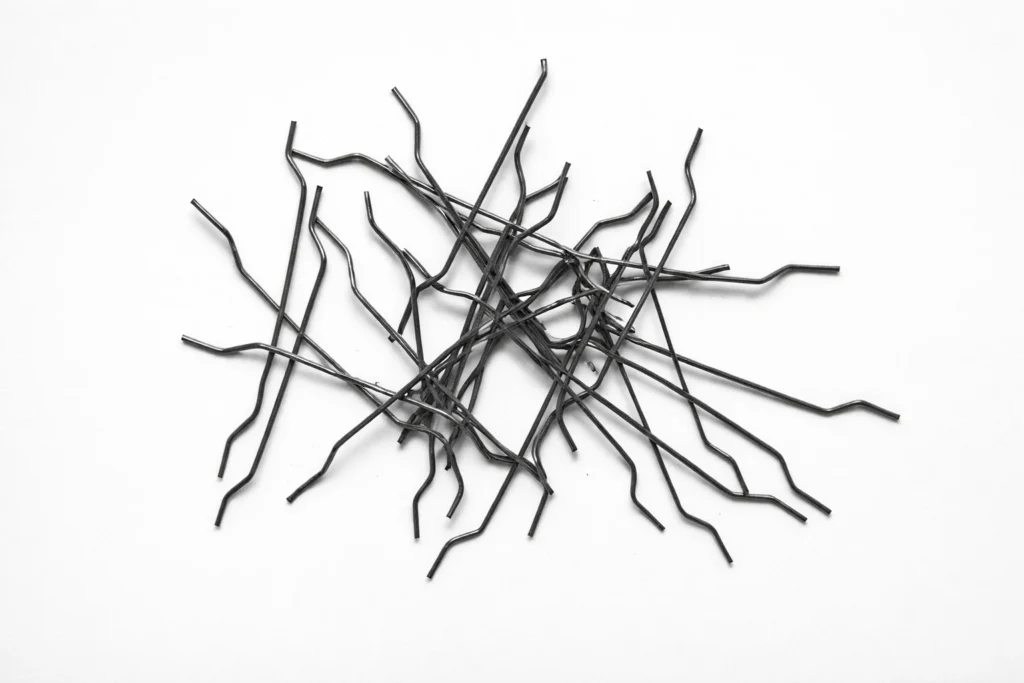
Kancalı uçlu çelik elyaf en iyi bilinen ticari şekillerden biridir. Uçlar, beton içindeki ankrajı iyileştirmek için kanca şeklinde bükülür. Sika, birçok çelik elyafın daha iyi ankraj için kancalı veya düz uçlar kullandığını belirtiyor. ETH Zürih öğretim materyali de kancalı uçlu fiberlerin birçok uygulama için standart olduğunu, çünkü kancanın mekanik ankraj sağladığını, düz fiberlerin ise daha çok tek başına bağa bağlı olduğunu belirtiyor.
Kancalı uçlu elyafların endüstriyel zeminlerde, prekast ürünlerde, tünel kaplamalarında ve yapısal SFRC işlerinde bu kadar yaygın olmasının bir nedeni de budur. Alıcılar bunları seviyor çünkü şeklin tanımlanması kolay ve performans fikrinin anlaşılması kolay: kanca, elyafın bir çatlak boyunca bağlı kalmasına yardımcı oluyor.
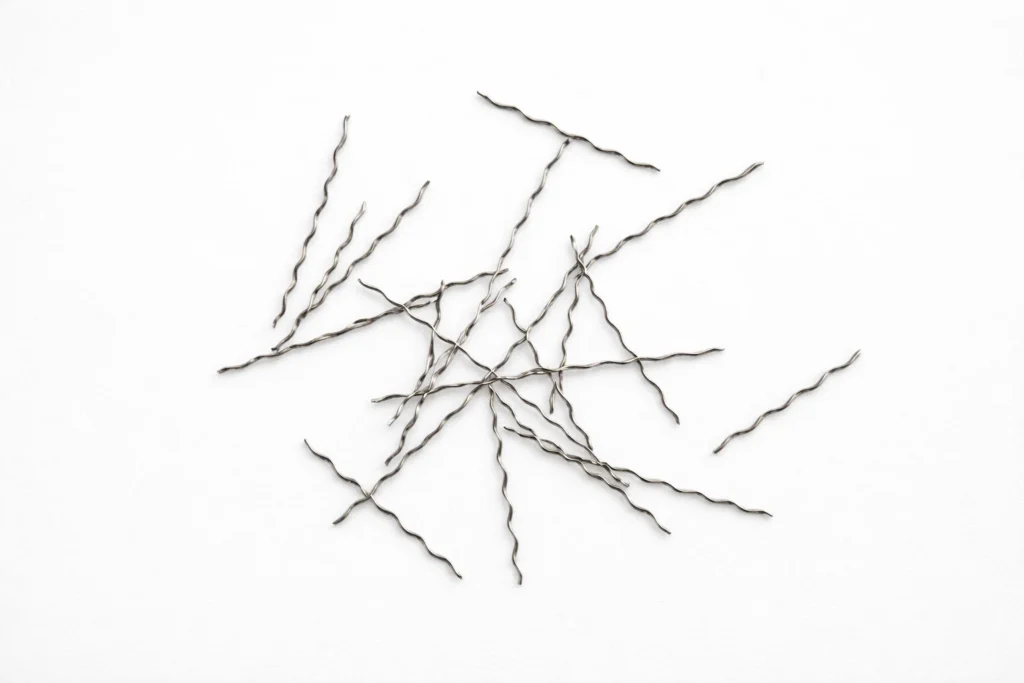
Kıvrımlı veya Oluklu Çelik Elyaf
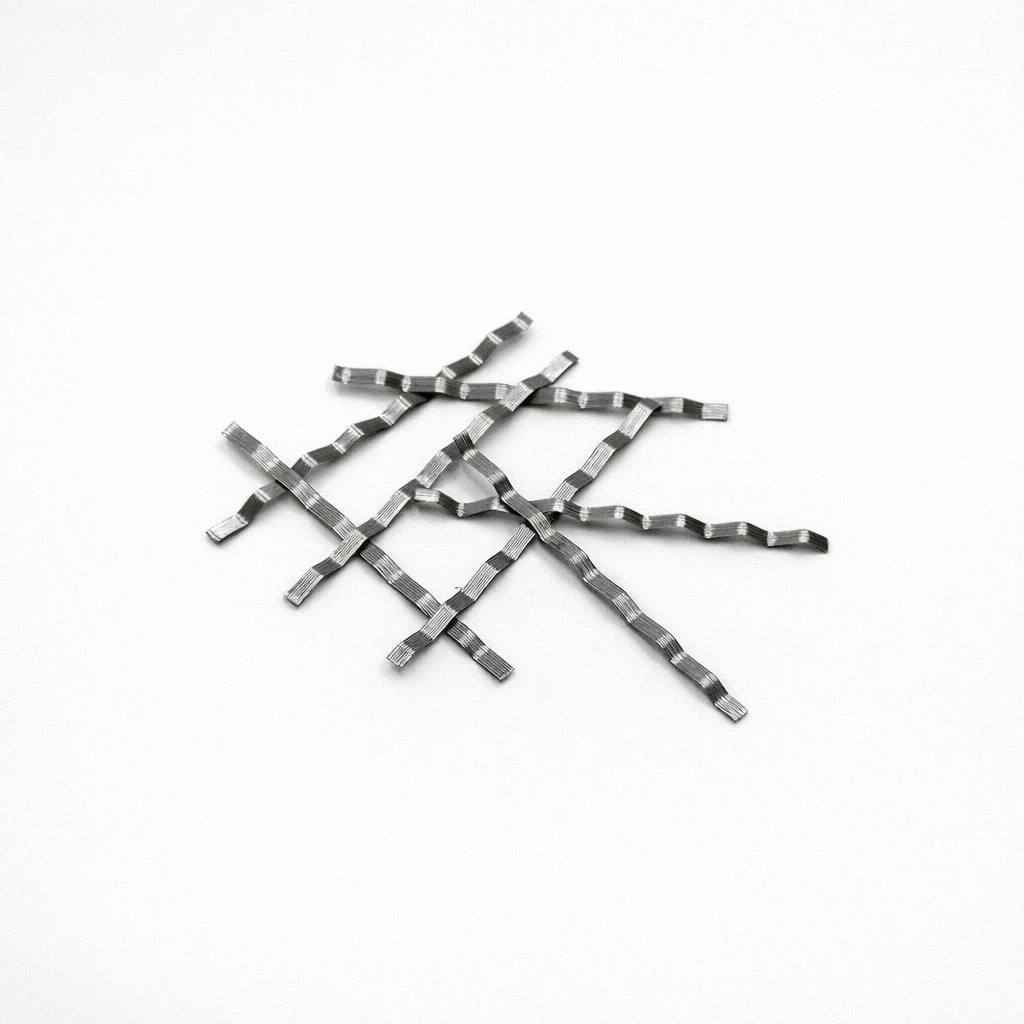
Kıvrımlı çelik elyaf dalgalı veya oluklu bir gövdeye sahiptir. Bazı belgeler, tam geometriye bağlı olarak bunu deforme olmuş veya dalgalı bir şekil olarak da adlandırır. Iowa State'in kaplamaya genel bakışı çelik liflerin deforme olabileceğini belirtmektedir ve Sika dalgalı veya sürekli deforme olmuş çelik lifleri ana çelik makro lif şekillerinden biri olarak tanımlamaktadır.
Bu şekil, sadece uçlarda değil, tüm fiber uzunluğu boyunca bağlanma ve çekme direncini artırmak için kullanılır. Proje raporlarında ve araştırmalarda, kıvrımlı fiberler genellikle kancalı uçlu ve bükümlü fiberlerin yanında ayrı bir test kategorisi olarak görünür. Örneğin, ulaştırma araştırmaları kapsamında finanse edilen yakın tarihli bir köprü tabliyesi çalışması, kancalı uçlu, kıvrımlı ve bükülmüş çelik fiberleri üç farklı şekil olarak test etmiştir.
Düz Uçlu veya Genişletilmiş Uçlu Çelik Elyaf
Düz uçlu çelik elyaf bir diğer yaygın piyasa türüdür. Bu elyaflar çoğunlukla düz kalır, ancak uçları ankrajı artırmak için büyütülür, düzleştirilir veya başka bir şekilde şekillendirilir. Sika, düz uçlu elyafları ana çelik makro elyaf şekillerinden biri olarak listeler ve düz uçların ankrajlamaya yardımcı olduğunu belirtir. Iowa State'in genel bakışı da yaygın piyasa formları için genişletilmiş uç terimini kullanmaktadır.
Bu tip, tedarikçi düz bir gövde istediğinde ancak yine de çatlakta daha güçlü mekanik tutuş istediğinde faydalı olabilir. Basit bir ifadeyle, düz bir elyaf ile daha görünür şekilde deforme olmuş bir elyaf arasında bir orta yoldur.
Bükülmüş Çelik Elyaf
Bükümlü çelik elyaf, özellikle yüksek performanslı beton sistemlerinde pazardaki bir diğer önemli türdür. Ulaştırma araştırma raporları, bükümlü liflerin kancalı uçlu ve kıvrımlı liflerle birlikte ayrı bir şekil olarak test edildiğini göstermektedir. Akademik ve teknik literatür de bükümlü lifleri ayrı bir geometri olarak ele almaktadır çünkü büküm bağ ve çekme davranışını değiştirmektedir.
Bükümlü fiberler her standart beton döşeme için her zaman ilk tercih değildir, ancak gelişmiş fiber takviyeli beton tasarımında iyi bilinirler. Piyasa dilinde, daha güçlü mekanik kilitlenme ve daha yüksek çatlama sonrası katkı istendiğinde sıklıkla tercih edilirler.
Diğer Deforme Çelik Elyaflar
Her ürün tek bir popüler etikete tam olarak uymaz. Endüstri ve araştırma kaynakları, spiral, kabartmalı, kürekli, düğme uçlu, sarmal ve bağ veya ankrajı iyileştirmek için yapılan diğer özel şekiller de dahil olmak üzere birçok deforme formu tanımlamaktadır. Naaman tarafından yapılan klasik bir inceleme, liflerin düz, girintili, deforme olmuş, kıvrılmış, kıvrılmış, bükülmüş veya uç kancaları, kürekler veya düğmelerle yapılmış olabileceğini belirtmektedir. Yakın tarihli bir ASCE önizlemesi de düz, kıvrımlı, spiral, bükülmüş ve kancalı uçları yaygın geometrik kategoriler olarak listelemektedir.
Bu önemlidir çünkü çelik elyaf tasarımı sadece metalin kendisiyle ilgili değildir. Aynı zamanda çatlama başladıktan sonra fiberin çimento matrisini nasıl kavradığı ile de ilgilidir. Bu nedenle pek çok ticari ürün düz bir tel şekli yerine modifiye edilmiş bir geometri kullanır.
Tipik Boyutlar ve Özellikler
Çelik lifler ayrıca şu şekilde tanımlanır uzunluk, çap, en-boy oranı, gerilme mukavemeti ve kesit, sadece tip ismine göre değil. Beton Derneği, yaygın çelik liflerin tipik olarak yaklaşık 19 ila 60 mm uzunlukta, en boy oranları yaklaşık 30 ila 100, ve gerilme mukavemetleri yaklaşık 345 ila 1700 N/mm². Ayrıca yuvarlak ve düz gibi yaygın kesitlerin yanı sıra düz, dalgalı ve uç kancası gibi deformasyonları da not eder.
Dolayısıyla, iki elyafın her ikisi de kancalı çelik elyaf olarak adlandırılabilir ve yine de betonda farklı davranabilir. Biri daha uzun olabilir. Biri daha yüksek bir en-boy oranına sahip olabilir. Biri daha güçlü bir çelik tel kullanabilir. Biri mikserde daha iyi dağılabilir. Bu nedenle iyi tedarikçiler sadece bir şekil adından fazlasını verirler. Ayrıca boyut, gerilme mukavemeti, dozaj kılavuzu ve performans verileri de sağlarlar.
En Sık Görülen Tip Hangisidir?
Gerçek beton işlerinde en çok hangi türün yaygın olduğunu sorarsanız, cevap genellikle soğuk çekilmiş tel çelik elyaf, genellikle kancalı uç gibi deforme olmuş bir şekilde satılır. NPCA, soğuk çekilmiş telin prekast betonda en yaygın kullanılan çelik elyaf olduğunu belirtmektedir. Sika'nın el kitabında da Grup I veya Tip I fiberlerin betonda en yaygın kullanılan çelik fiberler olduğu ve genellikle gevşek veya yapıştırılmış formatta düz veya deforme ürünler olarak tedarik edildikleri belirtilmektedir.
Bu, diğer türlerin önemsiz olduğu anlamına gelmez. Sadece soğuk çekilmiş telin pazara güç, bulunabilirlik ve üretilebilirlik açısından güçlü bir denge sağladığı anlamına gelir. Bu nedenle alıcıların en sık gördüğü elyafların çoğu bu rotaya dayanmaktadır.
Doğru Çelik Elyaf Türü Nasıl Seçilir?
En iyi çelik elyaf türü işe göre değişir. Projenin tanıdık ve yaygın olarak bulunan bir seçeneğe ihtiyacı varsa, soğuk çekilmiş tel kancalı uçlu elyaf genellikle güçlü bir başlangıç noktasıdır. Projenin farklı bir çekme davranışına veya belirli bir performans hedefine ihtiyacı varsa kıvrımlı, düz uçlu veya bükümlü ürünler karşılaştırmaya değer olabilir. Şekil önemlidir çünkü ankraj, elyafın çatlakları nasıl köprüleyeceğini ve çatlamadan sonra ne kadar artık mukavemet kalacağını kontrol eder.
Önce standardı kontrol etmek de akıllıca olacaktır. Proje spesifikasyonu ASTM A820'ye göre yazılmışsa, elyaf ASTM tip sistemine uygun olmalıdır. Proje EN 14889-1'e göre yazılmışsa, ürün EN grup sistemine uygun olmalıdır. Bundan sonra, alıcı gerçek ürün geometrisini, boyutunu, gerilme mukavemetini, gerekirse korozyon korumasını ve tedarikçinin test verilerini kontrol etmelidir.
At Ecocretefiber™, Bu, piyasayı okumanın pratik yoludur. Bir alıcı sadece bir fotoğrafa veya kısa bir etikete göre seçim yapmamalıdır. Doğru seçim, elyaf tipi, şekli ve performans verilerinin gerçek işle eşleştirilmesinden gelir. İşte bu şekilde Shandong Jianbang Kimyasal Elyaf Co, Ltd. zeminler, prekast, püskürtme beton ve diğer zorlu beton kullanımları için çelik elyaf seçimine yaklaşır.
Sonuç
Peki, farklı çelik elyaf türleri nelerdir? En net cevap şudur: Standart olarak, çelik lifler temel olarak soğuk çekilmiş tel, kesilmiş levha, eritilerek çıkarılmış, frezede kesilmiş veya traşlanmış soğuk çekilmiş tel ve modifiye edilmiş soğuk çekilmiş tel veya bloktan frezelenmiş lifler olarak ayrılır. Şekle göre, genellikle düz, kancalı uçlu, kıvrımlı, düz uçlu, bükülmüş ve diğer deforme olmuş formlara ayrılırlar.
Çoğu alıcı için en faydalı yaklaşım her iki sistemi de öğrenmektir. Standart tip size elyafın nasıl yapıldığını anlatır. Şekil ise betona nasıl sabitleneceğini anlatır. Her ikisini de anladığınızda, doğru çelik elyafı seçmek çok daha kolay hale gelir. Ve günlük beton projelerinin çoğunda en sık göreceğiniz fiber, özellikle kancalı uç formunda soğuk çekilmiş tel ürünüdür.