Betonda Çelik Elyaf Dozajı Neden Önemlidir?
Beton sıkıştırma altında güçlüdür. Bu nedenle zeminlerde, tünellerde, köprülerde, prekast parçalarda, kaldırımlarda ve diğer birçok yapıda kullanılır. Ancak betonun belirgin bir zayıflığı vardır. Gerilim altında iyi performans göstermez. Çatlaklar oluştuğunda, malzeme yük kapasitesini hızla kaybedebilir.
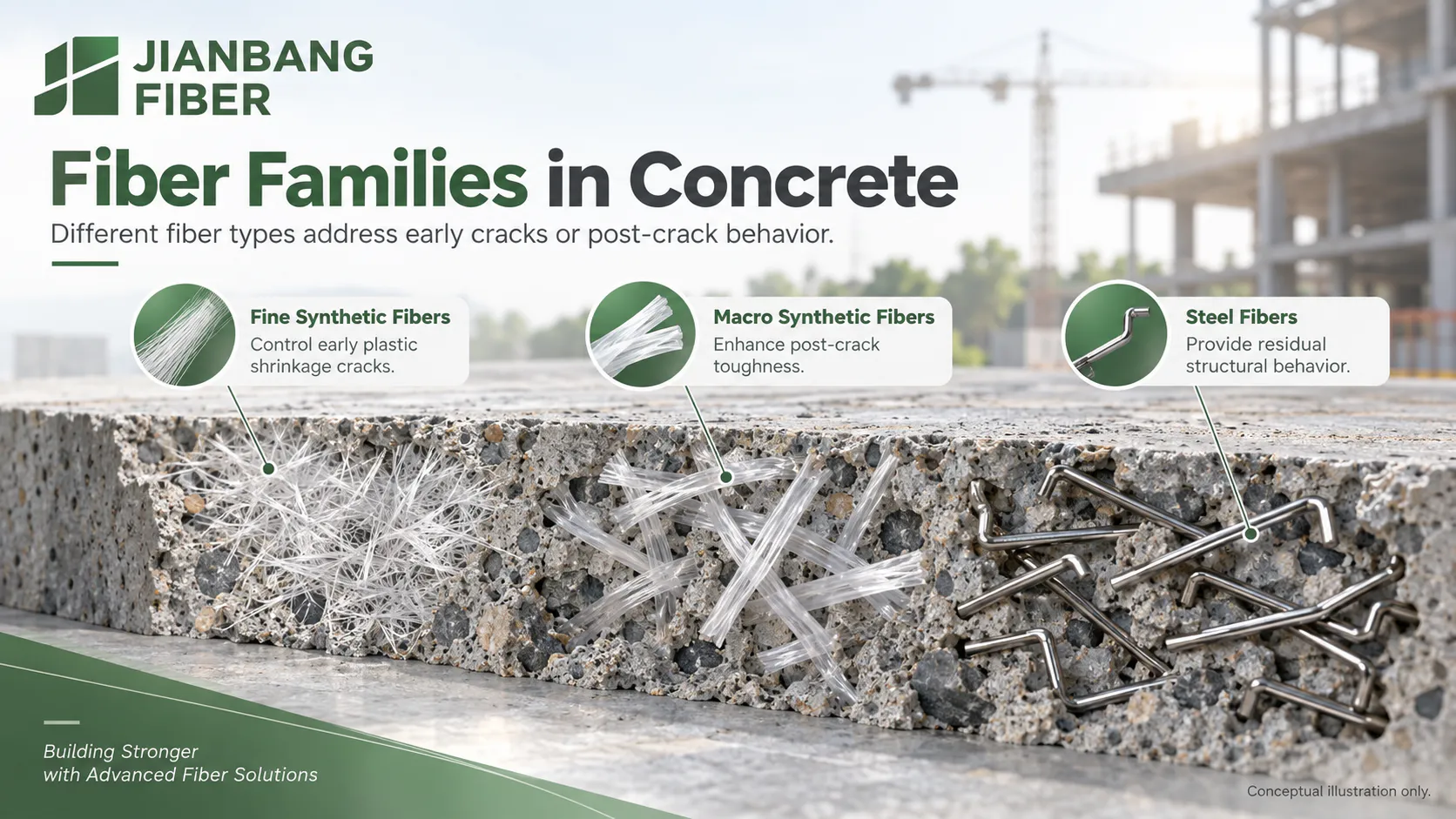
Çelik elyaf bu sorunu çözmeye yardımcı olur. Beton matrisinin içinde çalışır. Çatlakları köprüler. Çatlak büyümesine karşı direnç gösterir. Betonun çatladıktan sonra yük taşımaya devam etmesine yardımcı olur. İşte bu yüzden çeli̇k li̇f takvi̇yeli̇ beton endüstriyel zeminlerde, püskürtme betonda, dış kaplamalarda, prekast elemanlarda ve diğer zorlu beton işlerinde kullanılır.
Ancak çelik elyaf sadece karışıma daha fazla malzeme eklemekle ilgili değildir. Dozaj dikkatle seçilmelidir. Dozaj çok düşükse, elyaf ağı yeterli çatlak kontrolü sağlamayabilir. Dozaj çok yüksekse, karışım çok yapışkan hale gelebilir. İşlenebilirliğini kaybedebilir. Pompalanması, yerleştirilmesi veya bitirilmesi zorlaşabilir.
İşte bu yüzden betonda çeli̇k li̇f dozaji teknik bir karardır. Taze beton akışını etkiler. Lif dağılımını etkiler. Elyaf yönelimini etkiler. Ayrıca nihai çatlak kontrol sonucunu da etkiler.
At Shandong Jianbang Kimyasal Elyaf Co, Ltd., altında beton elyaf çözümleri sunmaktayız. Ecocretefiber™ marka. İyi bir elyaf çözümünün sadece gerilme mukavemeti veya kilogram başına fiyatla ilgili olmadığına inanıyoruz. İyi bir çözüm, beton karışımına, yerleştirme yöntemine, proje tipine ve beklenen performansa uygun olmalıdır.
Çelik Lif Takviyeli Beton Nedir?
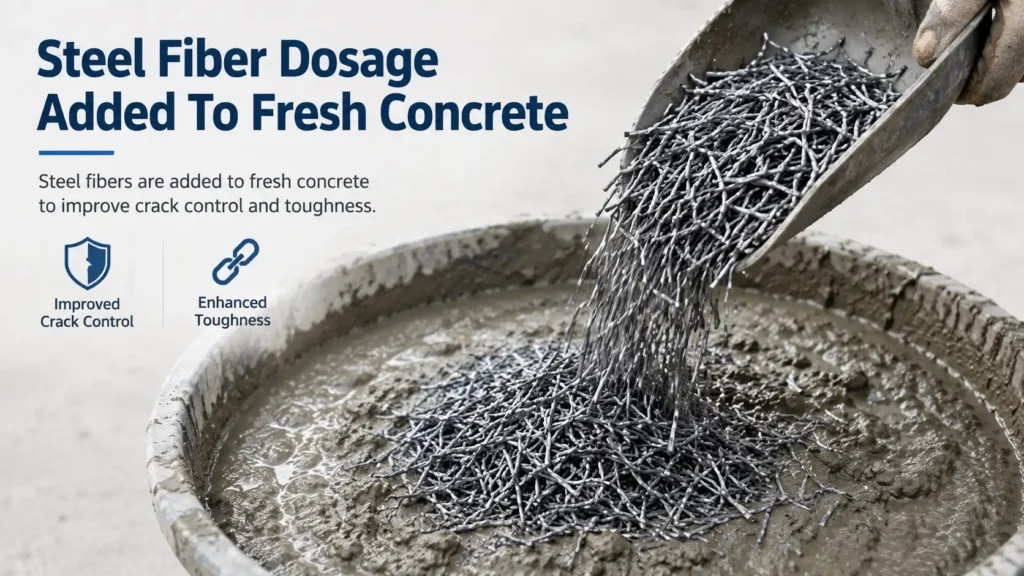
Çelik elyaf takviyeli beton, Genellikle SFRC olarak adlandırılan beton, kısa çelik liflerle karıştırılır. Bu lifler beton boyunca yayılır. Matris içinde üç boyutlu bir takviye ağı oluştururlar.
ASTM C1116, bir alıcıya eşit şekilde karıştırılmış malzemelerle teslim edilen elyaf takviyeli betonu kapsar. Bu standart ayrıca çelik veya sentetik elyaf kullanılan karışımlar da dahil olmak üzere birçok elyaf takviyeli beton formunu kapsar.
Çelik fiber, geleneksel inşaat demiri gibi çalışmaz. İnşaat demiri tasarlanmış bir konuma yerleştirilir. Çelik fiber beton boyunca dağılır. Birçok yöndeki çatlakları kontrol etmeye yardımcı olur. Tokluğu, enerji emilimini ve çatlak sonrası performansı artırabilir.
Bu gerçek projelerde önemlidir. Bir zemin büzülme ve yüklemeden dolayı çatlayabilir. Bir tünel kaplaması zemin basıncına ve darbeye maruz kalabilir. Bir prekast eleman kalıptan çıkarma veya taşıma sırasında çatlayabilir. Bir kaldırım tekrarlanan tekerlek yükleriyle karşılaşabilir. Bu durumlarda çelik elyaf, betonun çatlak büyümesine direnmesine ve bütünlüğünü daha iyi korumasına yardımcı olabilir.
Çelik Elyaf Dozajı Taze Beton Akışını Nasıl Değiştirir?
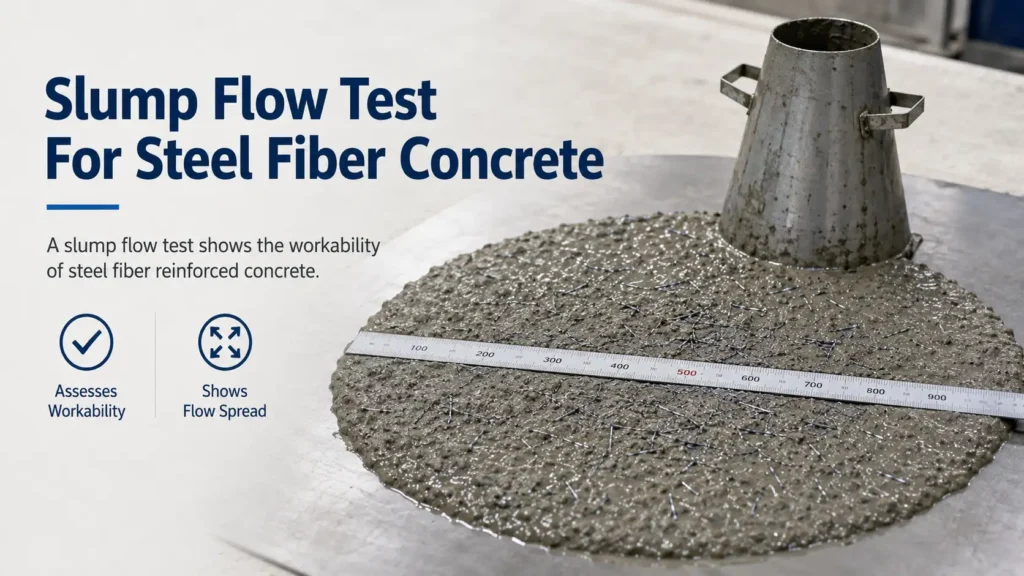
Taze beton işlenebilir olmalıdır. Sertleşmeden önce yerleştirilmeli, pompalanmalı, sıkıştırılmalı veya bitirilmelidir. Beton iyi akmazsa, nihai yapıda zayıf bölgeler, bal peteği, düşük yüzey kalitesi veya düzensiz lif dağılımı olabilir.
Çelik lif dozajının taze beton akışı üzerinde doğrudan bir etkisi vardır.
Çelik lif takviyeli kendiliğinden yerleşen beton üzerine yapılan bir araştırmada dört çelik lif hacmi içeriği test edilmiştir: 0.4%, 0.6%, 0.8% ve 1.0%. Çalışma, çelik lif hacmi arttığında çökme akışının 685 mm'den 595 mm'ye düştüğünü ortaya koymuştur. J-ring akışı da 665 mm'den 555 mm'ye düşmüştür. Bu, daha yüksek çelik elyaf dozajının akışkanlığı azaltabileceğini göstermektedir.
Bunun nedeni çelik liflerin betondaki iç sürtünmeyi artırmasıdır. Karışımı daha viskoz hale getirirler. Ayrıca agrega, çimento hamuru ve diğer liflerle etkileşime girerler. Daha fazla lif olduğunda, betonun daha güçlü bir hamur sistemine ve daha iyi katkı kontrolüne ihtiyacı vardır.
Aynı çalışmada, çelik elyaf hacmi arttıkça plastik viskozite ve akma gerilmesinin neredeyse doğrusal olarak arttığı bulunmuştur. Plastik viskozite 0.4% fiber hacminde 25.3 Pa-s'den 1.0%'de 48.1 Pa-s'ye yükselmiştir. Akma gerilimi 41,1 Pa'dan 62,0 Pa'ya yükselmiştir.
Bir müteahhit için bu sonuç çok pratiktir. Daha fazla elyaf çatlak kontrol potansiyelini artırabilir, ancak taze karışımın işlenmesini de zorlaştırabilir. Karışım tasarımı ayarlanmalıdır. Kum oranı, agrega derecelendirmesi, su azaltıcı, macun hacmi ve karıştırma yöntemi birlikte çalışmalıdır.
Fiber Dağıtım Neden Önemlidir?
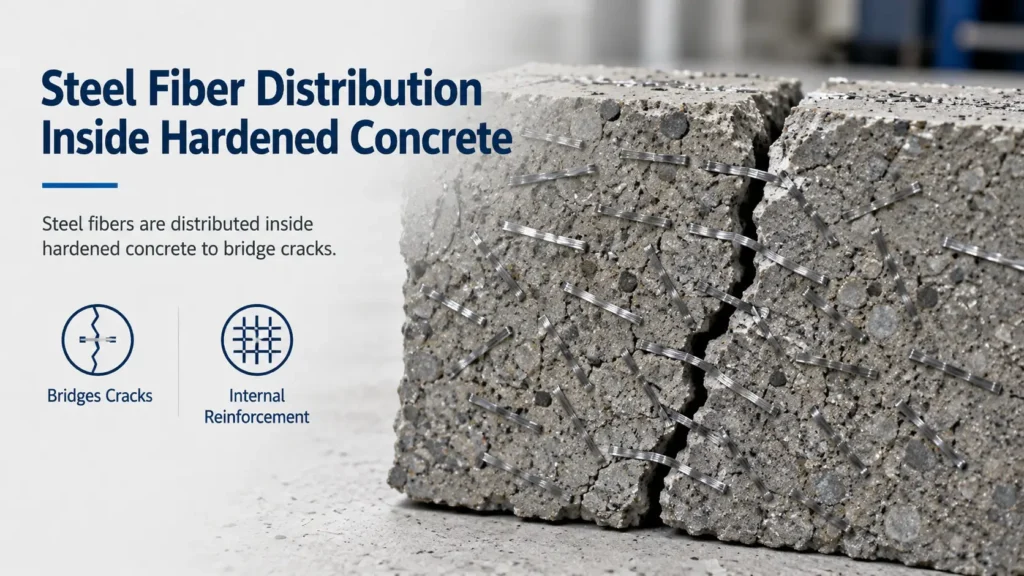
Çelik elyaf sadece doğru dağıtıldığında iyi çalışabilir. Lifler iyi dağılmamışsa, betonun bazı kısımlarında çok fazla lif olabilir. Diğer kısımlarda ise çok az lif olabilir. Bu da eşit olmayan bir performans yaratır.
İyi dağıtılmış bir fiber ağı, betonun çatlakları daha eşit bir şekilde kontrol etmesine yardımcı olur. Daha iyi çatlak köprüleme sağlar. Ayrıca bir çatlağın zayıf bir bölge boyunca çok hızlı büyümesi riskini de azaltır.
Çalışmada sertleşmiş betondaki çelik lifleri saymak için kesitler kullanılmıştır. Lif yoğunluğunun her yönde aynı olmadığını göstermiştir. İki kesme düzlemindeki lif yoğunluğu, uzunlamasına düzlemdekinden daha yüksekti. Çalışma, bunun döküm sırasındaki akış yönüyle ilgili olduğunu açıklamıştır. Beton esas olarak yatay yönde aktığı için, lifler akışla aynı hizaya gelme eğilimindeydi.
Bu nokta gerçek projeler için önemlidir. Elyaf dağılımına sadece dozaj karar vermez. Aynı zamanda beton akışı, dökme noktası, form şekli, duvar etkisi ve döküm yöntemi ile de belirlenir.
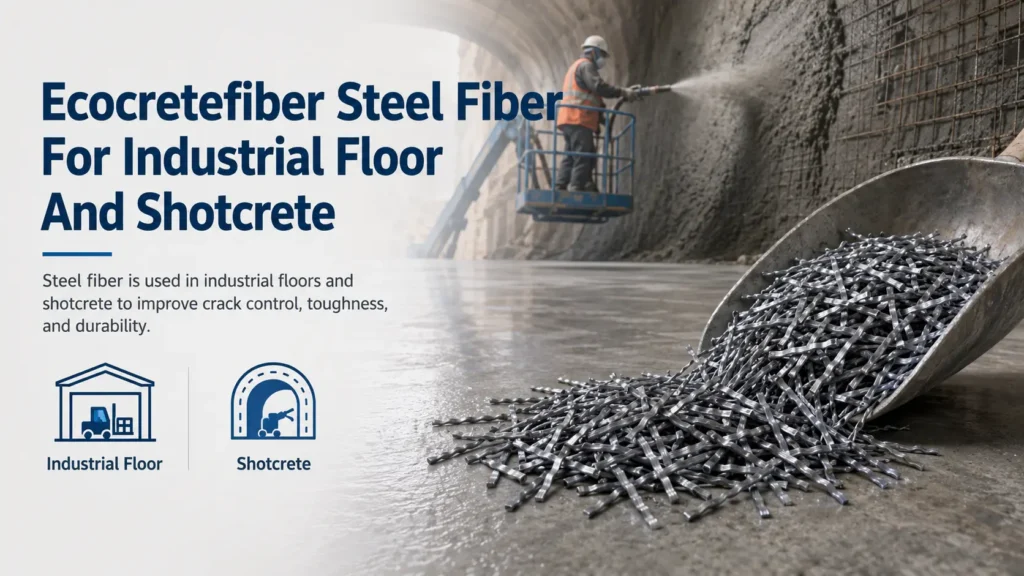
Bir projede zemin için çelik lifli beton kullanılıyorsa, yerleştirme yönü ve bitirme işlemi yüzeye yakın lif yönelimini etkileyebilir. Bir projede çelik lifli püskürtme beton kullanılıyorsa, püskürtme açısı ve geri tepme liflerin matriste nasıl kalacağını etkileyebilir. Bir projede prekast beton kullanılıyorsa, kalıp şekli ve akış mesafesi elyaf hizalamasını etkileyebilir.
Bu nedenle Ecocretefiber™, projenin katı performans gereksinimleri olduğunda deneme karışımı yapılmasını önerir. Bir laboratuvar karışımı temel işlenebilirliği gösterebilir. Bir saha denemesi gerçek yerleştirme davranışını gösterebilir.
Elyaf Dozajı ve Ayrıştırma
Çelik lifler çimento hamurundan daha ağırdır. Yerçekimi nedeniyle, çelik lifler döküm sırasında aşağı doğru hareket edebilir. Buna segregasyon denir. Ayrışma homojenliği azaltabilir. Üst kısımda daha az lif varken, elemanın alt kısmını lif bakımından daha zengin hale getirebilir.
Çalışma, çelik liflerin test edilen tüm dozajlarda dikey ayrışma gösterdiğini ortaya koymuştur. Kirişin alt yarısında üst yarısına göre daha fazla lif bulunmuştur. Ancak lif hacmi arttıkça ayrışma derecesi azalmıştır. Üst ve alt kısımlar arasındaki fark 38.4%'den 27.4%'ye düşmüştür.
Bu ilk başta şaşırtıcı gelebilir. Birçok insan daha yüksek lif içeriğinin her zaman daha kötü dağılım yaratması gerektiğini düşünür. Ancak çalışma daha detaylı bir tablo ortaya koyuyor. Daha yüksek elyaf dozajı, taze karışımın plastik viskozitesini ve akma gerilimini artırmıştır. Karışım daha yapışkan hale geldi. Bu da elyafların aşağı doğru hareketini azaltmıştır.
Bu sonuç faydalı bir ders vermektedir. Segregasyon tek başına lif tipi tarafından kontrol edilmez. Tüm taze beton sistemi tarafından kontrol edilir. Daha kohezyonlu bir karışım lifleri daha iyi tutabilir. Ancak karışım yine de yerleştirme için yeterince işlenebilir olmalıdır.
Gerçek projeler için amaç dengedir. Beton çok akışkan olmamalıdır. Liflerin veya agregaların yerleşmesine izin vermemelidir. Ancak çok da sert olmamalıdır. Yine de pompalanması, yerleştirilmesi ve bitirilmesi gerekir.
Lif Oryantasyonu ve Beton Performansı
Çelik elyaf oryantasyonu bir başka kilit noktadır. Lifler, çatlak düzlemi boyunca çatlakları köprülediklerinde en iyi şekilde çalışırlar. Liflerin çoğu faydalı bir yönde hizalanmışsa, beton bu yönde daha iyi çatlak sonrası davranış gösterebilir. Lifler kötü yönlendirilmişse, aynı dozaj daha düşük performans verebilir.
Çalışma, lif yöneliminin dozajla değiştiğini ortaya koymuştur. Daha düşük çelik elyaf içeriğinde, elyaflar ve kiriş ana ekseni arasındaki açı daha küçüktü. Bu, liflerin kiriş ekseni ile hizalanma olasılığının daha yüksek olduğu anlamına gelir. Daha yüksek çelik elyaf içeriğinde, açı daha büyük hale geldi ve oryantasyon faktörü daha düşük oldu.
Bunun nedeni, lif dozajının taze betonun reolojisini değiştirmesidir. Daha düşük viskoziteli bir karışım daha kolay akmıştır. Akış alanı, elyaf hizalaması üzerinde daha güçlü bir etkiye sahipti. Daha yüksek viskoziteli bir karışım lif hareketine karşı daha güçlü bir dirence sahipti. Sonuç olarak, lif oryantasyonu kiriş ekseni ile daha az hizalanmıştır.
Çalışma ayrıca kirişin orta bölgesinin daha yüksek bir oryantasyon faktörüne sahip olduğunu buldu. Bu, ortadaki liflerin kiriş ekseniyle hizalanma olasılığının daha yüksek olduğu anlamına geliyor. Kiriş uçlarında, duvar etkileri akış yönünü değiştirdi, bu nedenle lifler ana eksenle daha az hizalandı.
Mühendisler için bu yararlı bir hatırlatmadır. Elyaf performansı sadece bir malzeme özelliği değildir. Aynı zamanda bir yerleştirme sonucudur. Akış yolu ve kalıp şekli farklıysa, aynı çelik elyaf iki yapıda farklı performans gösterebilir.
Doğru Çelik Lif Dozajı Hakkında Nasıl Düşünülür?
Tüm beton işleri için tek bir mükemmel çelik elyaf dozajı yoktur. Doğru dozaj projeye göre değişir.
Bir zemin üstü döşeme çatlak genişliği kontrolüne, darbe direncine ve derzlerde yük aktarımına ihtiyaç duyabilir. Bir tünel püskürtme beton projesi enerji emilimine ve artık mukavemete ihtiyaç duyabilir. Bir prekast ürünün çatlak kontrolüne ve temiz yüzey kalitesine ihtiyacı olabilir. Bir onarım harcının büzülme kontrolüne ve eski alt tabaka ile iyi bir yapışmaya ihtiyacı olabilir.
İyi bir dozaj kararı bu faktörleri göz önünde bulundurmalıdır:
| Proje Faktörü | Neden Önemli? |
|---|---|
| Beton uygulaması | Zeminler, püskürtme beton, prekast, kaldırım ve onarım betonunun farklı ihtiyaçları vardır. |
| Gerekli performans | Çatlak kontrolü, tokluk, artık mukavemet ve darbe direnci farklı dozaj seviyelerine ihtiyaç duyar. |
| İşlenebilirlik hedefi | Daha yüksek dozaj akışı azaltabilir ve yerleştirmeyi zorlaştırabilir. |
| Karışım tasarımı | Agrega boyutu, macun hacmi, su azaltıcı ve kum oranı elyaf dağılımını etkiler. |
| Elyaf geometrisi | Uzunluk, çap, en-boy oranı ve uç şekli yapışmayı ve işlenebilirliği etkiler. |
| Döküm yöntemi | Pompalama, dökme, püskürtme ve titreşim dağılımı ve yönelimi değiştirebilir. |
| Test yöntemi | Eğilme ve artık mukavemet testleri gerçek performansın doğrulanmasına yardımcı olur. |
ASTM C1609, fiber takviyeli betonun eğilme performansını, üçüncü nokta yüklemesi altında basitçe desteklenen bir kirişten alınan yük sapma verileri aracılığıyla değerlendirir. Bu tür bir test kullanışlıdır çünkü sadece ilk çatlamayı değil, çatlamadan sonraki davranışı da ölçer.
Avrupa ile ilgili pazarlara satılan çelik elyaflar için EN 14889-1 de önemlidir. Bu standart, beton, harç ve şerbette yapısal veya yapısal olmayan uygulamalar için kullanılan çelik liflere ilişkin gereklilikleri belirtir.
Deneme Karıştırma Neden Önemlidir?
Deneme karıştırması, proje sorunlarından kaçınmanın en pratik yollarından biridir. Teknik veri sayfası faydalı bilgiler verir, ancak her şantiye koşulunu gösteremez.
Deneme karışımı, elyafın iyi dağılıp dağılmadığını gösterebilir. Betonun hala yeterli çökme veya çökme akışına sahip olup olmadığını gösterebilir. Karışımın toplanma riski olup olmadığını gösterebilir. Pompanın karışımı taşıyıp taşıyamayacağını gösterebilir. Ayrıca yüzey finişinin kabul edilebilir olup olmadığını da gösterebilir.
Kendiliğinden yerleşen çelik lifli beton için akış kontrolü daha da önemlidir. Beton kendi ağırlığı altında hareket etmelidir. Donatıdan veya dar alanlardan geçmelidir. Güçlü titreşim olmadan formu doldurmalıdır. Karışım ayarlaması yapılmadan lif dozajı artırılırsa akış çok fazla düşebilir.
Ecocretefiber™ olarak, alıcılara sadece “Metreküp başına kaç kilogram kullanmalıyım?” diye sormamalarını öneriyoruz. Daha iyi bir soru şudur: “Hangi performansa ihtiyacım var ve bu performansa ulaşmak için karışım nasıl ayarlanmalı?”
Bu soru daha iyi bir cevaba götürür. Az dozajdan kaçınmaya yardımcı olur. Ayrıca aşırı dozajdan kaçınmaya da yardımcı olur.
Çelik Elyaf Vs Makro Sentetik Elyaf
Çelik elyaf beton için tek elyaf seçeneği değildir. Makro sentetik elyaf da birçok projede kullanılmaktadır. Her elyafın kendine özgü bir değeri vardır.
Çelik elyaf yüksek modüle ve güçlü çatlak köprüleme özelliğine sahiptir. Genellikle yüksek tokluk, endüstriyel zeminler, püskürtme beton ve diğer ağır hizmet uygulamaları için seçilir. Dozaj ve karışım tasarımı doğru olduğunda güçlü kalıntı performansı sağlayabilir.
Makro sentetik elyaf korozyona uğramaz. Birçok maruz kalınan ortamda kullanımı daha kolaydır. Döşemelerde, püskürtme betonda, prekast betonda ve korozyon riski, güvenlik veya kullanımın endişe verici olduğu onarım betonunda kullanılabilir.
En iyi seçim proje koşullarına bağlıdır. Bazı projeler çelik elyafa ihtiyaç duyar. Bazı projeler aşağıdakiler için daha uygundur makro senteti̇k elyaf. Bazı projeler hibrit bir elyaf sistemi kullanabilir. Bu nedenle Shandong Jianbang Chemical Fiber Co, Ltd. her proje için tek bir basit cevaba değil, pratik elyaf seçimine odaklanmaktadır.
Alıcılar İçin Pratik Öneriler
Beton için çelik elyaf satın alırken sadece birim fiyatına bakmayın. Daha ucuz bir elyaf, daha yüksek dozaj gerektiriyorsa veya karıştırma sorunları yaratıyorsa daha pahalıya mal olabilir. Daha güçlü bir elyaf dozajı azaltabilir, ancak yine de iyi dağılması gerekir. Uzun bir elyaf çatlakları daha iyi kapatabilir, ancak karışım ayarlanmazsa işlenebilirliği de azaltabilir.
Sipariş vermeden önce, alıcılar bu ayrıntıları teyit etmelidir:
| Soru | Neden Yardımcı Olur? |
|---|---|
| Proje uygulaması nedir? | Farklı uygulamalar farklı fiber tiplerine ihtiyaç duyar. |
| Hedef dozaj nedir? | Dozaj hem performansı hem de işlenebilirliği kontrol eder. |
| Beton dayanım derecesi nedir? | Matris mukavemeti, elyaf bağlanmasını ve çatlak davranışını etkiler. |
| Agrega boyutu nedir? | Büyük agregalar elyaf hareketini ve dağılımını etkileyebilir. |
| Beton pompalanmış mı, dökülmüş mü yoksa püskürtülmüş mü? | Yerleştirme yöntemi fiber dağılımını değiştirir. |
| Eğilme performansı testi gerekli mi? | Testler çatlak sonrası performansı doğrulamaktadır. |
| Korozyon bir endişe kaynağı mı? | Çelik elyaf ve sentetik elyaf farklı dayanıklılık profillerine sahiptir. |
Profesyonel bir tedarikçi, müşterilerin bu sorular üzerinde düşünmesine yardımcı olmalıdır. Bu, proje başlamadan önce riski azaltır.
Neden Ecocretefiber™'ı Seçmelisiniz
Ecocretefiber™ 'nin beton elyaf markasıdır. Shandong Jianbang Kimyasal Elyaf Co, Ltd. Müteahhitler, hazır karışım üreticileri, prekast fabrikaları, distribütörler ve altyapı projeleri için beton takviye elyafları tedarik ediyoruz.
Elyafın sadece bir katkı maddesi olmadığını biliyoruz. Beton sisteminin bir parçasıdır. Elyaf karışıma uygun olmalıdır. Yerleştirme yöntemine uygun olmalıdır. Performans hedefiyle eşleşmelidir.
Ekibimiz müşterilere ürün seçimi, paketleme seçenekleri, OEM hizmeti ve teknik iletişim konularında destek verebilir. Müşterilerin proje ihtiyaçlarına göre çelik elyaf, makro sentetik elyaf, polipropilen mikro elyaf ve diğer beton elyaf çözümlerini karşılaştırmalarına yardımcı olabiliriz.
Alıcılar için bu, daha az tahmin anlamına gelir. Aynı zamanda kalite, maliyet ve inşaat performansının daha iyi kontrol edilmesi anlamına gelir.
Sonuç
Çelik lif dozajının beton performansı üzerinde güçlü bir etkisi vardır. Taze beton akışını değiştirir. Plastik viskoziteyi ve akma gerilmesini değiştirir. Lif dağılımını, ayrışmasını ve yönelimini etkiler. Ayrıca betonun sertleştikten sonra çatlakları ne kadar iyi kontrol ettiğini de etkiler.
Buradan çıkarılacak ana ders açıktır. Daha fazla elyaf her zaman tek başına daha iyi değildir. Doğru sonuç, elyaf dozajı, karışım tasarımı, yerleştirme yöntemi ve performans testi arasındaki doğru dengeden gelir.
Projeniz çelik fiber takviyeli beton, püskürtme beton fiberi, endüstriyel zemin fiberi veya farklı bir beton güçlendirme çözümüne ihtiyaç duyuyorsa, Shandong Jianbang Kimyasal Elyaf Co, Ltd. kapsamında pratik bir seçenek seçmenize yardımcı olabilir. Ecocretefiber™ Marka.
Daha iyi bir elyaf seçimi beton dökülmeden önce başlar. Dozaj, işlenebilirlik, dağılım ve çatlak kontrolünü anlamakla başlar.