What microfiber cement means
Microfiber cement usually means a cement-based material that contains very fine reinforcing fibers. In concrete practice, these fibers are often called micro synthetic fibers. They are mixed into cement mortar or concrete to reduce small cracks, improve cohesion, and support better surface performance.
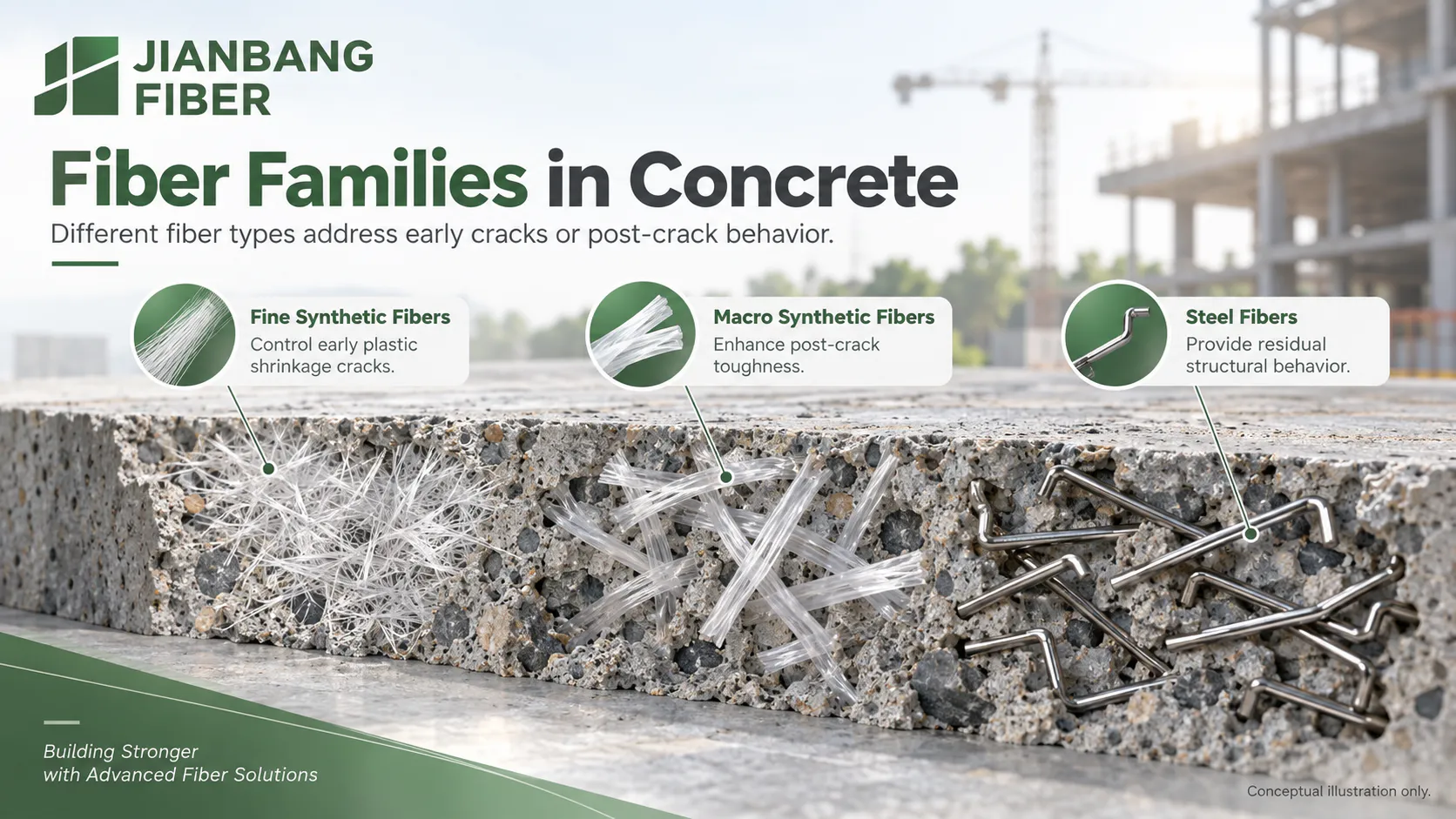
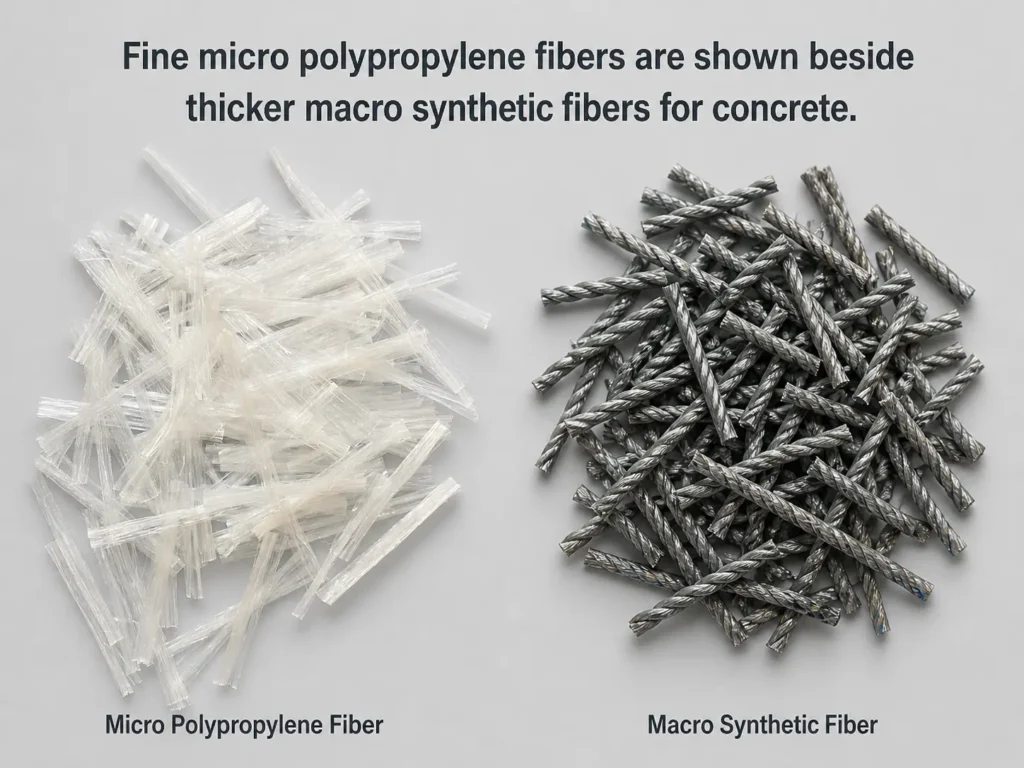
The word “microfiber” does not mean the fiber is weak. It means the fiber is very small in diameter. ACI guidance defines microsynthetic fibers as fibers with diameters, or equivalent diameters, less than 0.3 mm. The same guidance separates them from macrosynthetic fibers, which are larger than 0.3 mm. ACI also states that polypropylene fibers can be either micro or macro, depending on their size.
In normal market language, microfiber cement often refers to cement mortar or concrete reinforced with micro polypropylene fibers. These fibers are not usually added to replace structural steel. They are added to improve early crack control, fresh mix stability, and service quality. NRMCA says synthetic fibers are used to reduce concrete cracking from plastic shrinkage, support nonstructural shrinkage and temperature reinforcement with documentation, improve toughness and impact resistance, and improve internal support and cohesiveness.
For Ecocretefiber™, this topic matters because many buyers want a simple answer before they choose a product. They want to know if microfiber cement is only for small cracks, or if it can also help with durability and real jobsite performance. The answer is clear. Microfiber cement is mainly used to make cement-based materials more stable, more crack-resistant at an early age, and easier to control on site.
It is used to reduce plastic shrinkage cracks
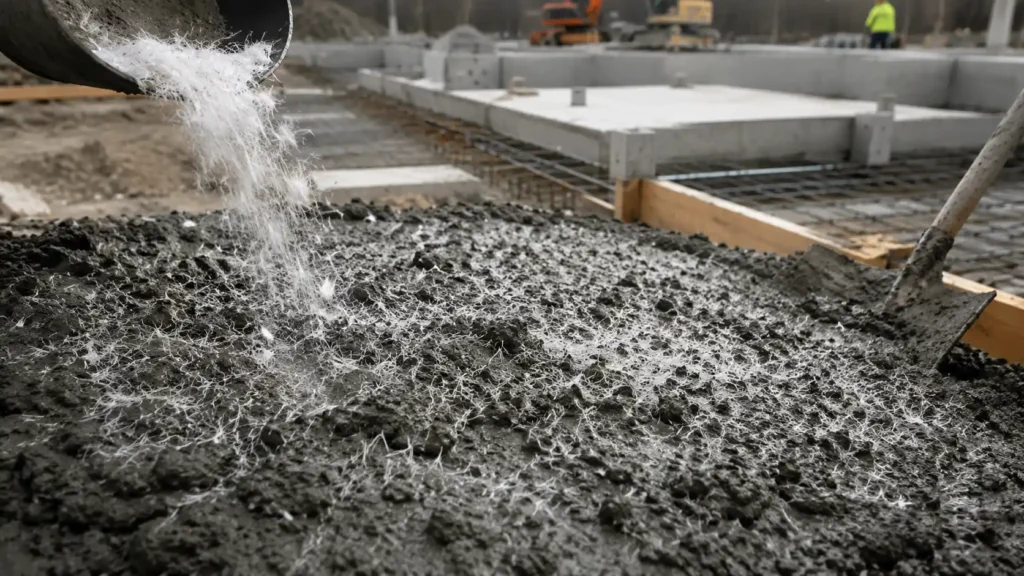
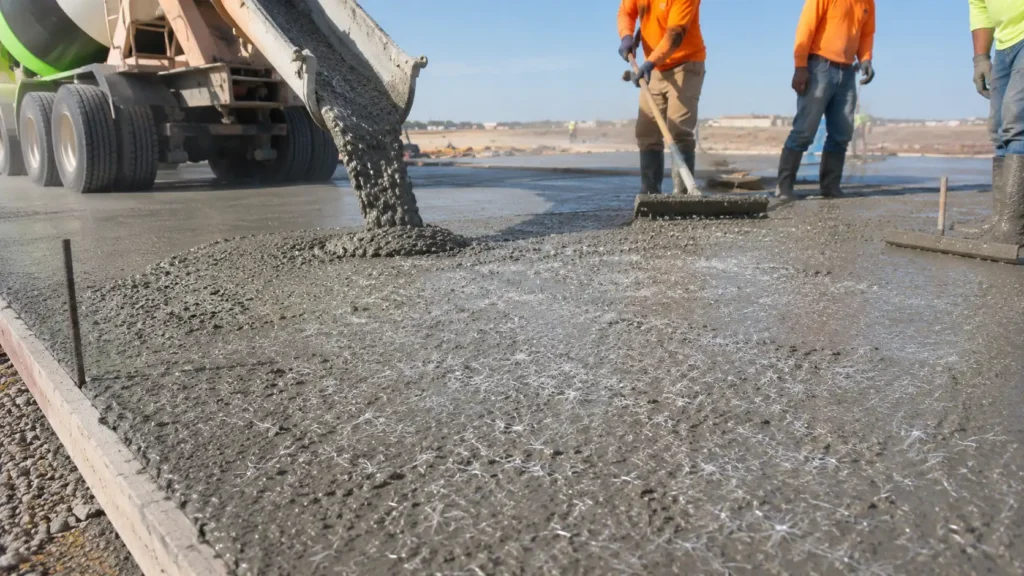
The most common use of microfiber cement is plastic shrinkage crack control. Fresh concrete or mortar can crack before it becomes hard. This often happens when water leaves the surface too fast. Wind, sun, low humidity, and warm weather can all make this problem worse.
Microfibers help because they spread through the fresh cement paste and create a small internal network. This network does not stop shrinkage itself. It helps hold the fresh mix together while the cement paste is still weak. The fibers bridge small crack paths and reduce the chance that many fine cracks will grow into visible surface cracks.
NRMCA explains that synthetic fibers help concrete by reducing plastic settlement and shrinkage crack formation. It also says the internal support system created by synthetic fibers can inhibit plastic settlement cracks and reduce the formation of large capillary channels from bleed water movement.
This is why microfiber cement is useful in flatwork. Contractors often use it in slabs, toppings, sidewalks, driveways, warehouse floors, and floor screeds. These surfaces are wide and exposed, so they face more early drying risk. A small dosage of microfibers can be a practical way to reduce early surface crack complaints.
It is used to control plastic settlement cracking
Microfiber cement is also used to reduce plastic settlement cracking. This type of cracking happens when fresh concrete settles around reinforcement, large aggregate, edges, or changes in section thickness. The surface can show lines or cracks because the fresh cement paste is still moving.
Microfibers help by giving the fresh mix more internal support. The fibers reduce the free movement of the paste, and they help the mix stay more uniform before setting. This is useful in reinforced slabs, toppings, repair mortars, and cement-based layers placed over uneven surfaces.
This does not mean the fiber removes the need for good mix design. The contractor still needs correct water content, correct finishing time, and correct curing. The fiber is one part of a complete concrete practice. NRMCA lists internal support and cohesiveness as one of the uses of synthetic fibers, especially for steep inclines, shotcrete, and slip-formed placements.
For buyers, this is a practical benefit. Less settlement cracking means fewer surface defects, less repair work, and better appearance after finishing. This is why many ready-mix plants and contractors choose micro polypropylene fibers for general flatwork and cement-based repair work.
It is used to improve cohesion and reduce segregation risk
Microfiber cement can also improve mix cohesion. A cement-based mix needs enough internal stability so the cement paste, water, sand, and aggregate stay together during placement. If the mix is too loose or unstable, bleeding, segregation, and poor finish quality can happen.
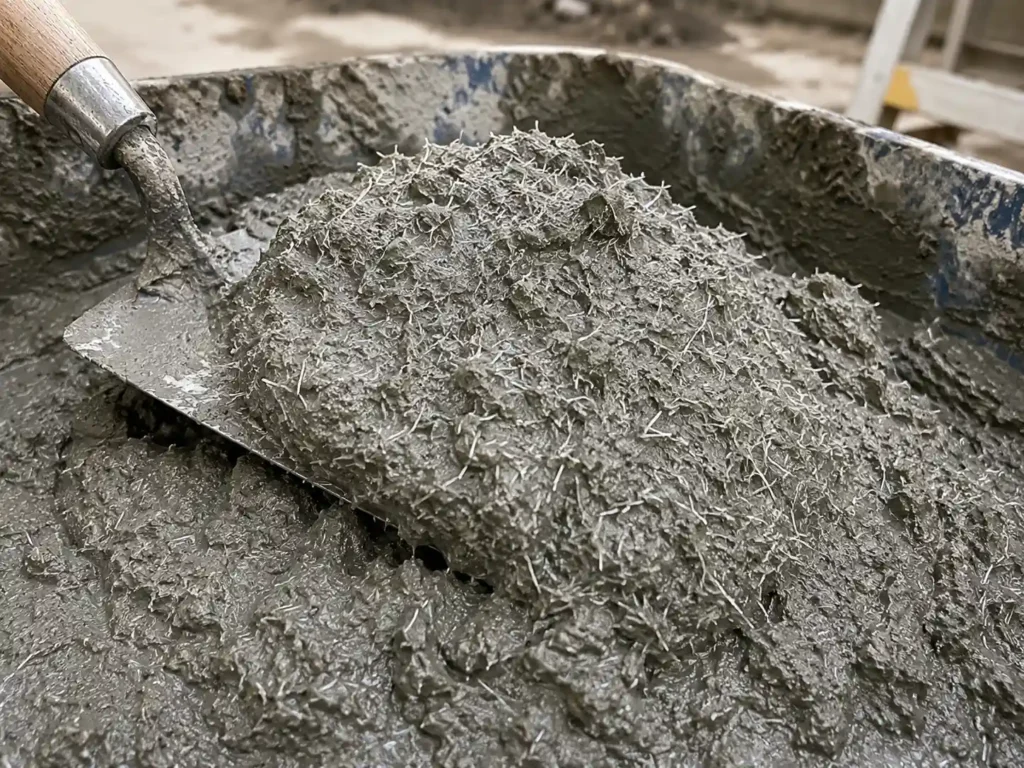
Microfibers help create a three-dimensional network inside the mix. This network supports the paste and helps the mix hold together during movement. This is useful in pumped concrete, sprayed concrete, slope work, repair mortar, and mixes that need better stability during placement.
NRMCA includes “internal support and cohesiveness” as a use of synthetic fibers, and it specifically mentions steep inclines, shotcrete, and slip-formed placements. This makes sense because those applications need a mix that stays in place and does not slump or run too much.
This is one of the reasons microfiber cement is more than a crack-control material. It can also help the contractor handle the mix with more confidence. It can support smoother placement, better build-up in sprayed work, and better edge stability in repair areas.
It is used in shotcrete and sprayed cement materials
Microfiber cement is useful in shotcrete and sprayed cement-based materials. Shotcrete needs a mix that can pass through equipment, hit the surface, and stay in place. It also needs good cohesion because rebound and sagging can waste material and slow the work.
Microfibers can help sprayed concrete by improving internal support and reducing early cracking. They can also help the mix stay more stable on vertical or overhead surfaces. This is why synthetic fibers are often used in shotcrete, slope protection, tunnel linings, and repair spraying.
NRMCA directly lists shotcrete among the applications where the cohesiveness and internal support of synthetic fibers can help. ACI guidance also separates micro and macro fibers, so a project team can choose microfibers for early crack control and macrofibers for post-crack performance when needed.
A buyer should still choose the correct fiber type. Microfibers help the fresh and early-age stage. Macro fibers are used when the shotcrete needs more residual strength after cracking. These two roles can be different, and a good supplier should help the buyer choose the right class.
It is used in precast concrete and cement products
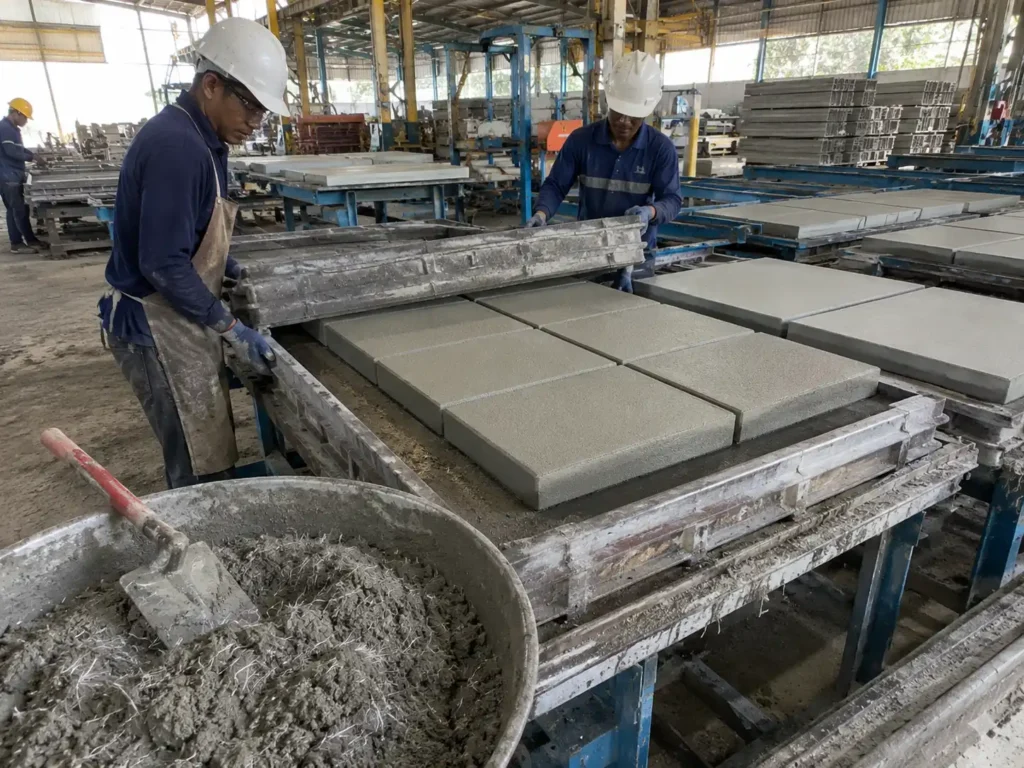
Microfiber cement is also useful in precast concrete and cement product manufacturing. Precast products often need clean edges, stable surfaces, and reliable early handling. Fine cracks can appear during early curing, demolding, handling, or drying. Microfibers can help reduce these issues by improving early crack resistance and cohesion.
Precast producers may use microfiber cement in thin panels, small concrete products, covers, drainage elements, repair components, and decorative cement products. The exact dosage depends on the product type, the fiber length, the mix design, and the handling process.
This use is practical because microfibers are distributed through the whole cement matrix. They are not placed in one layer like mesh. This helps support small details and edges, especially where traditional reinforcement is hard to place. It also helps producers create more consistent products across repeated batches.
For Ecocretefiber™, this is a strong application area because many precast buyers care about stable supply and repeatable quality. Shandong Jianbang Chemical Fiber Co., Ltd. can support these buyers with concrete-grade fibers that match the production needs of cement product factories.
It is used in repair mortar and overlays
Microfiber cement is also used in repair mortar, overlays, patching materials, and thin cement-based toppings. These materials are often thin and restrained. They can crack because the old substrate holds the new repair layer in place while the new cement layer shrinks.
Microfibers help by reducing the risk of early cracking in the repair material. They also improve cohesion, which helps the repair mortar stay in place during application. In overlays, microfibers can help reduce surface cracks that appear during fast drying or high evaporation.
ASTM C1579 is one standard test method used to compare plastic shrinkage cracking in fiber-reinforced concrete panels against control panels under conditions that cause cracking before final set. This kind of test is relevant because repair mortars and overlays often face the same early-age cracking problem.
A contractor should still prepare the substrate well. The surface must be clean and sound. The repair layer must be cured correctly. Microfibers help the cement layer resist early cracking, but they cannot fix poor bonding or poor surface preparation.
It is used to improve surface durability and impact resistance
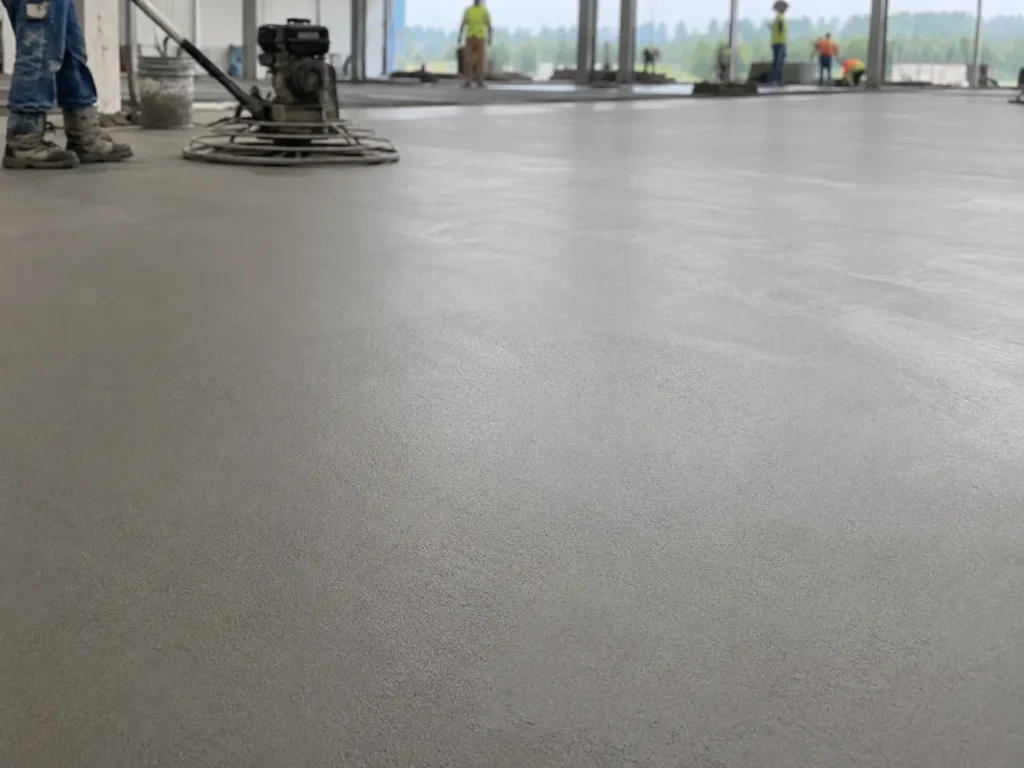
Microfiber cement can also support better surface durability. When microfibers reduce early cracking, the surface is less likely to open small paths for water, dirt, and chemicals. This can help the concrete surface stay cleaner and more serviceable.
NRMCA lists greater toughness and resistance to impact as one use of synthetic fibers. This does not mean microfibers turn a normal cement material into structural fiber concrete. It means the fibers can help the material resist small impacts, minor surface damage, and crack development in some conditions.
This benefit matters in floors, walkways, small precast products, repair zones, and cement boards. A surface with fewer cracks often needs less patching and looks better for a longer time. For many buyers, this practical result is more important than technical language. They want fewer defects, fewer callbacks, and fewer complaints.
It is used to reduce fire spalling risk in some concrete systems
Microfiber cement can also play a role in fire-related concrete design, especially when the microfibers are polypropylene fibers. In high-temperature exposure, polypropylene fibers can melt and create pathways that help vapor pressure escape. This can reduce the risk of explosive spalling in dense concrete.
A review paper on polypropylene fibers in concrete spalling risk states that the application of organic fibers is a proven solution for reducing concrete spalling in fire, and it focuses on polypropylene fibers for this purpose. A Sika technical paper also states that using polypropylene fibers to inhibit explosive spalling in fire has become common practice in many parts of the world, especially in tunnel construction.
This use is different from normal slab crack control. In this case, the fiber is chosen for a fire exposure mechanism. The project team should use the correct fiber length, dosage, and test basis. The team should also follow local fire design rules. Microfiber cement can help in this area, but it must be designed as part of the whole fire-resistance system.
It is used when the project needs a low-corrosion fiber option
Many microfibers used in cement are polypropylene or other synthetic fibers. These fibers do not rust like steel. This makes them useful where the buyer wants crack control without adding a metal fiber that may create corrosion marks at the surface.
This does not mean synthetic microfibers replace steel reinforcement. It means they can provide a low-corrosion crack-control tool for many nonstructural and early-age applications. ACI guidance and NRMCA guidance both show that synthetic microfibers have a clear role in concrete practice, especially when early-age cracking is the main concern.
This benefit is useful in decorative concrete, exposed surfaces, exterior flatwork, precast pieces, and thin cement layers. The buyer gets crack-control support without adding visible metal at the surface. That can be a strong selling point for projects where appearance matters.
What microfiber cement should not be expected to do
Microfiber cement has limits. It should not be sold as a full replacement for structural reinforcement. Microfibers are usually used for plastic shrinkage, plastic settlement, cohesion, surface quality, and some special fire-spalling uses. They are not the same as macro fibers or rebar.
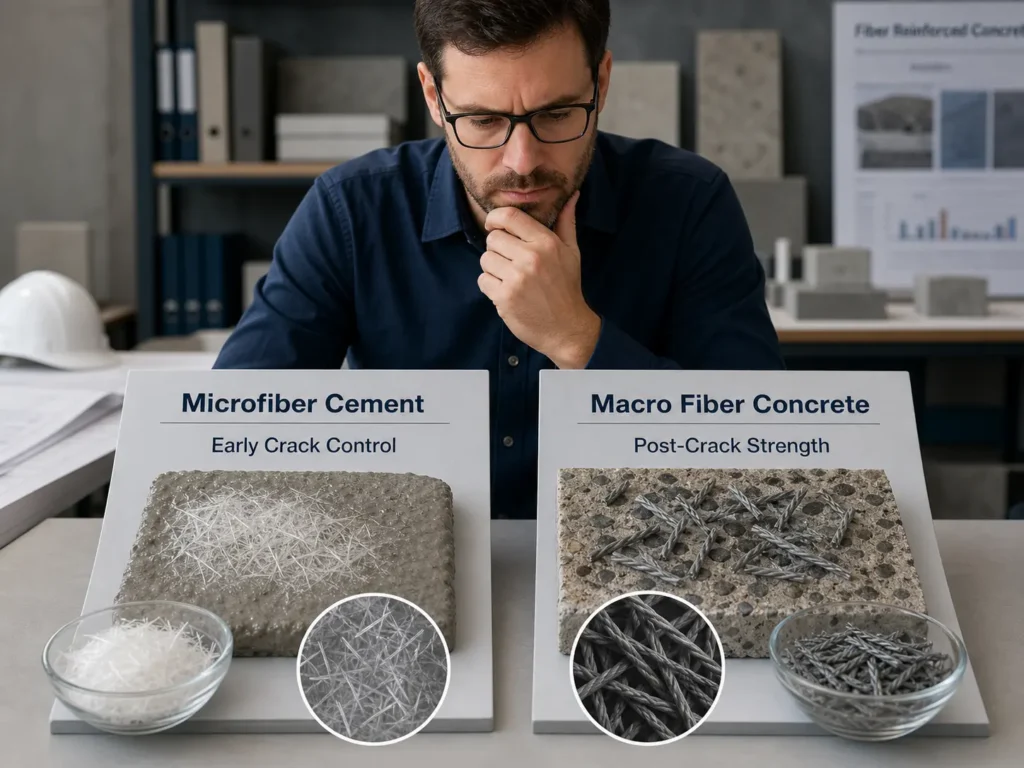
ACI’s fiber selection guidance says synthetic microfibers are usually preferred when the main concern is early-age cracking from plastic shrinkage. It also says macrofibers are more suitable when the goal is post-crack ductility and toughness.
This is important for buyers. If the project needs post-crack residual strength, the buyer should look at macro synthetic fibers or steel fibers. If the project needs early crack control and better fresh stability, the buyer should look at microfibers. A good supplier should not blur this line because wrong fiber selection can lead to poor project results.
How buyers should specify microfiber cement
A buyer should start with the main problem. If the problem is early cracking, the buyer should specify micro synthetic fibers for plastic shrinkage crack control. If the problem is surface cohesion or shotcrete stability, the buyer should specify the fiber role in fresh mix support. If the problem is fire spalling, the buyer should specify polypropylene microfibers based on fire-performance requirements.
The buyer should also ask for basic technical data. This includes fiber material, fiber length, diameter or equivalent diameter, dosage range, compliance statement, and mixing guidance. ACI’s 0.3 mm boundary helps confirm that the product is a microfiber. ASTM C1579 can help compare plastic shrinkage cracking behavior when the buyer needs test-based support.
The buyer should also run trial batches when the project has strict finishing requirements. Microfibers can affect finishing feel, surface appearance, and mixing behavior. A small trial can reduce risk before a large pour.
Ecocretefiber™ can support this process with product guidance and stable supply. Shandong Jianbang Chemical Fiber Co., Ltd. focuses on concrete fiber applications, so the buyer can discuss real project needs instead of only asking for a generic fiber price.
Why Ecocretefiber™ fits microfiber cement applications
Ecocretefiber™ is built for concrete-focused buyers. Our brand is Ecocretefiber™, and our company is Shandong Jianbang Chemical Fiber Co., Ltd. We understand that microfiber cement is not only a material phrase. It is a project solution for early cracking, surface stability, and better cement-based performance.
For contractors, the value is simple. Microfibers can reduce visible early cracks and help improve finish quality. For ready-mix plants, the value is repeatable batching and easier project support. For precast producers, the value is cleaner edges and lower early damage risk. For infrastructure teams, the value can include better cohesion and fire-spalling control in the right concrete system.
A good microfiber cement project needs more than one bag of fibers. It needs the right fiber type, the right dosage, the right mixing method, and the right curing plan. Ecocretefiber™ supports that full discussion.
Conclusion
Microfiber cement is used to improve cement-based materials by adding fine reinforcing fibers through the mix. Its most common use is reducing plastic shrinkage cracks and plastic settlement cracks in fresh concrete and mortar. It is also used to improve cohesion, support shotcrete and steep placements, improve surface durability, support precast production, reduce cracking in repair mortars and overlays, and reduce fire-spalling risk in selected polypropylene fiber systems. NRMCA, ACI, ASTM-related test methods, and fire-spalling research all support these practical uses.
The most important point is that microfiber cement is mainly an early crack-control and fresh stability solution. It is not the same as macro fiber concrete, and it is not a simple replacement for structural reinforcement. When the buyer chooses the right fiber and uses the right dosage and curing practice, microfiber cement can deliver a cleaner surface, fewer early cracks, better cohesion, and more reliable cement-based performance.
For buyers who want a concrete fiber partner, Ecocretefiber™ from Shandong Jianbang Chemical Fiber Co., Ltd. can support microfiber cement applications with practical product guidance, stable quality, and project-focused service.