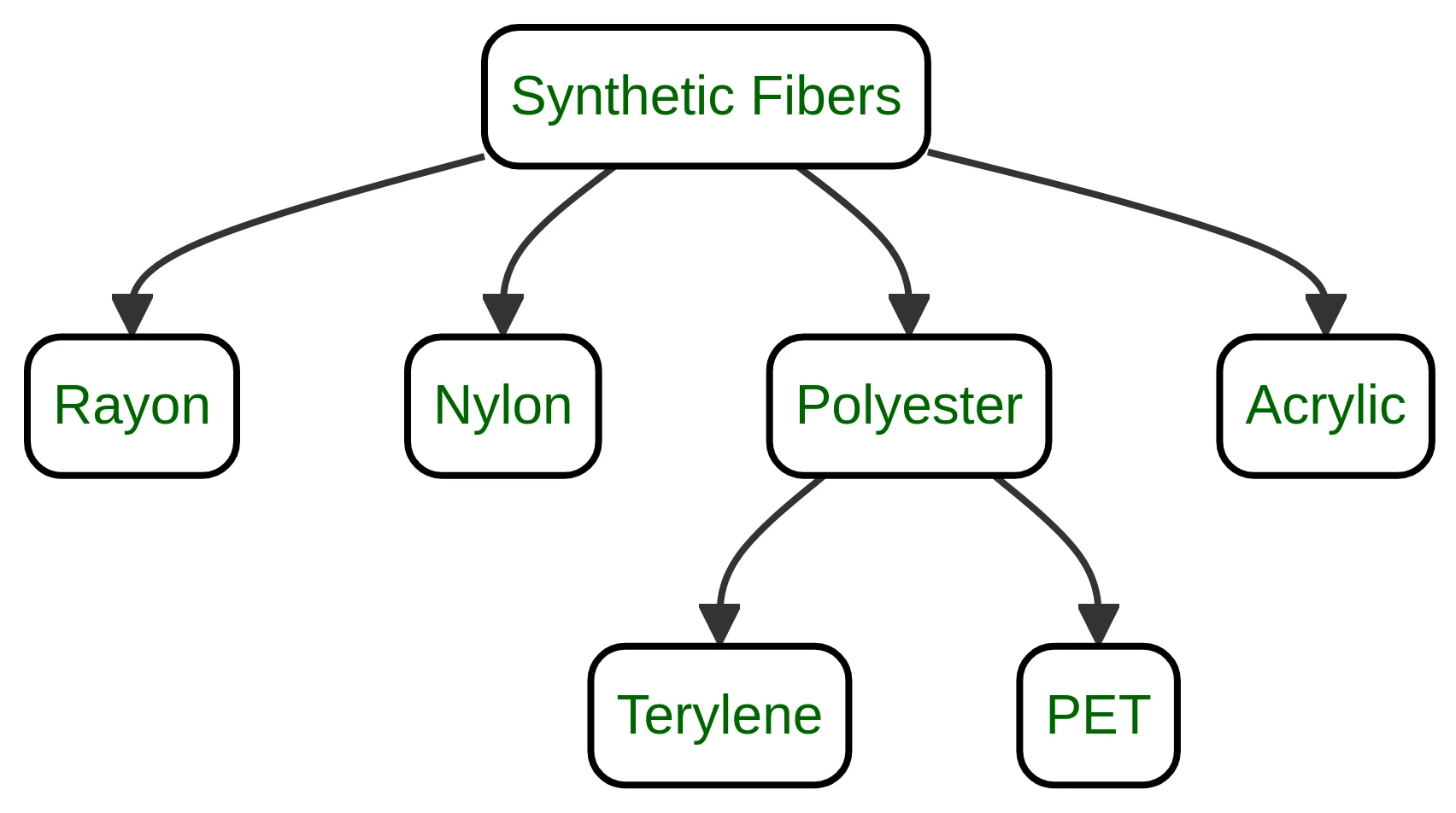
If someone asks for five examples of synthetic fibers, a clear and useful answer is this: nylon, polyester, acrylic, polypropylene, and aramid. These are all man-made fibers made from synthetic polymers, and each one has its own use and performance profile. Britannica explains that synthetic fibers are made from polymers that do not occur naturally, and it lists materials such as nylon, acrylics, polyurethanes, and polypropylene as examples.
This matters because people often mix up man-made fibers and synthetic fibers. They are not always the same thing. Rayon, for example, is man-made, but it is made from cellulose and is usually treated as a regenerated fiber, not a fully synthetic one. That is why a list of “synthetic fibers” is usually different from a list of all man-made fibers. Britannica makes that distinction clearly when it separates regenerated cellulose fibers from fully synthetic fibers.
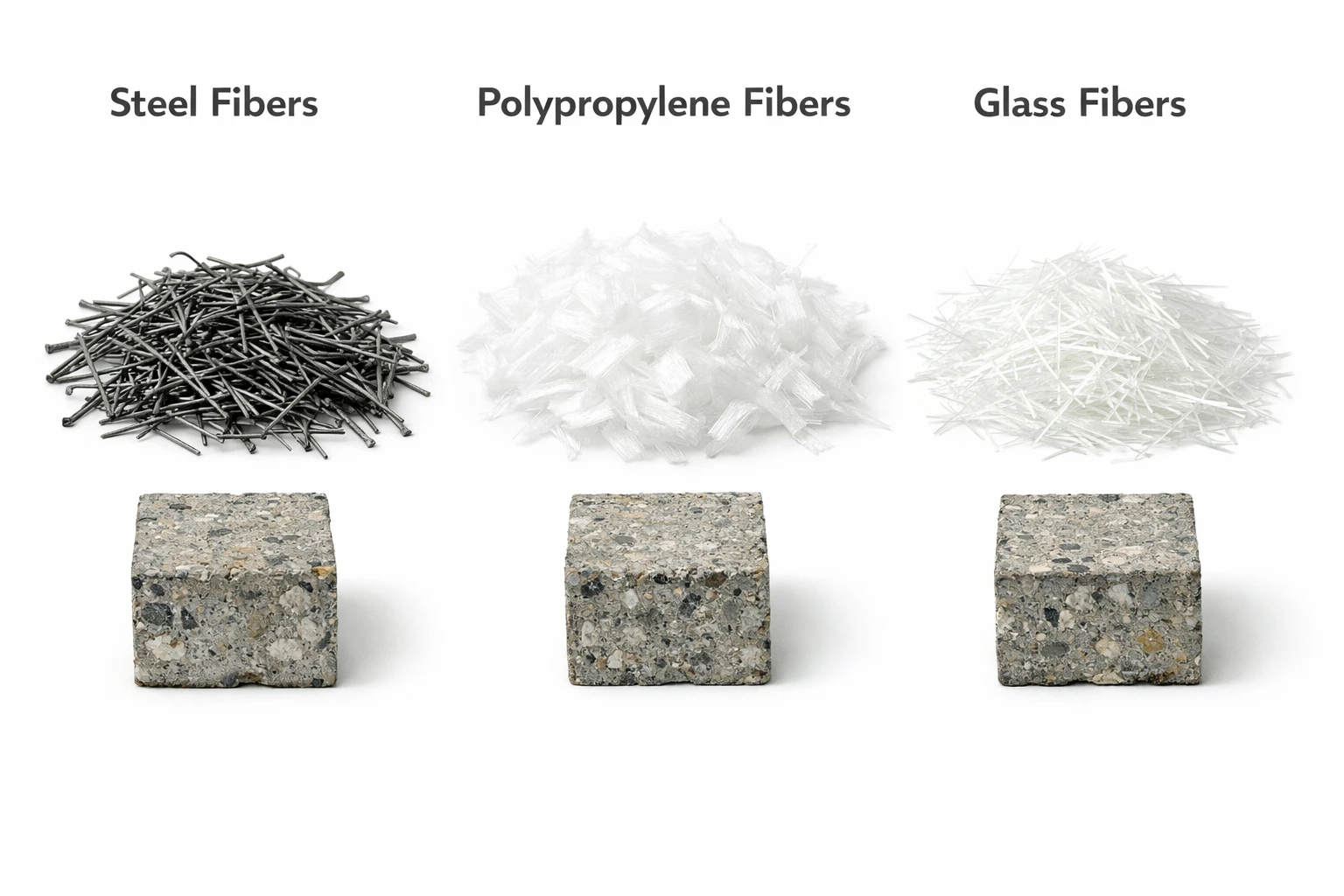
For concrete and construction buyers, this topic matters even more. Synthetic fibers are not just textile materials. U.S. Federal Highway Administration guidance says synthetic fibers used in concrete include polyolefins like polypropylene and polyethylene, as well as acrylic, aramid, carbon, nylon, and polyester. The same FHWA guidance explains that these fibers are used in concrete work to help reduce cracking and improve performance.

Why this question matters in concrete, not only in textiles
In clothing, people ask about synthetic fibers because they care about softness, stretch, heat, or price. In concrete, the question is different. A buyer wants to know which fiber can control cracking, improve toughness, or support a specific project goal. That is why the same material can be common in apparel but rare in concrete, or common in concrete but less important in clothing.
ASTM C1116 is the main standard that classifies fiber-reinforced concrete by fiber family. It places synthetic fibers in Type III. That means synthetic fibers are a recognized and standard part of modern concrete practice, not a niche idea. FHWA and ACI guidance also show that several synthetic fiber types have been tried or used in cement-based materials, including polypropylene, nylon, polyester, acrylic, and aramid.
So, if your website serves a concrete audience, the best way to answer this title is not to stay only in fashion language. The better way is to explain the five examples clearly, then connect them back to concrete use. That is what most real buyers want.
Example 1: Nylon
Nylon is one of the best-known synthetic fibers in the world. Britannica describes nylon as a class of polyamide polymers, and it notes that when nylon is cold-drawn, it is tough, elastic, and strong. Britannica also points out that nylon is widely known in products such as hosiery, parachutes, and bristles.
That makes nylon a very good first example because it shows what synthetic fibers often do well. They can combine strength, flexibility, and durability in one material. Nylon is also familiar to many buyers, so it is an easy entry point when you explain synthetic fibers to a non-technical audience.
In concrete, nylon is not the most famous synthetic fiber, but it is still relevant. NRMCA says synthetic fibers engineered for concrete include nylon, and FHWA also lists nylon among the synthetic fibers used in concrete work. That means nylon is not just a textile example. It is also part of the concrete discussion, especially when a project team compares polymer fiber options.

Example 2: Polyester
Polyester is another major synthetic fiber, and in many markets it is even more familiar than nylon. Britannica identifies PET as a strong, stiff synthetic fiber in the polyester family, and it explains that PET fibers are used for permanent-press fabrics. Britannica also notes that polyester fibers resist deformation well, which is why they are associated with wrinkle resistance and long service life in fabrics.
This makes polyester a strong example because it represents the “practical” side of synthetic fibers. Polyester is not famous only for strength. It is also valued for low maintenance, stable shape, and broad everyday use. That is why it appears so often in clothing, upholstery, and other high-volume products.
In concrete, polyester is not the first fiber most buyers name, but it still belongs on a serious list. FHWA includes polyester among the synthetic fibers used in concrete, and other concrete references list polyester with the synthetic fiber families that have been tried in cement-based matrices. So, polyester is a real example in both the general materials world and the construction materials world.
Example 3: Acrylic
Acrylic fiber is another clear synthetic fiber example. Britannica explains that acrylic and modacrylic fibers are based on polyacrylonitrile, and it describes acrylic fibers as soft and flexible. Britannica also notes that acrylic is often used as a wool substitute in clothing and carpets because of that soft, lofty character.
Acrylic is useful in this article because it shows that not all synthetic fibers are chosen for the same reason. Nylon often signals toughness. Polyester often signals shape retention. Acrylic often signals softness and wool-like performance. So even inside the same “synthetic fiber” category, the end use can change a lot.
Acrylic also matters in technical materials. FHWA includes acrylic in its list of synthetic fibers for concrete, and ACI guidance notes that synthetic fibers such as acrylic and aramid have been used in specialized fiber-reinforced concrete systems. That means acrylic is not only a textile material. It also has a place in cement-based material discussions, even if it is not the most common commercial concrete fiber today.

Example 4: Polypropylene
Polypropylene is one of the most important synthetic fibers for concrete buyers. Britannica explains that polypropylene can be melt-spun into fibers, and it lists uses such as clothing, upholstery, carpets, and nonwoven fabrics. Britannica also notes important industrial uses for polypropylene fiber, including rope, medical nonwovens, and nonwoven fabrics for ground stabilization and reinforcement in construction and road paving.
That construction link is a big reason polypropylene matters so much on a concrete website. In concrete, polypropylene is one of the most common synthetic fiber materials. NRMCA says synthetic fibers engineered for concrete include polypropylene, nylon, and polyethylene. ACI guidance also states that polypropylene fibers can be either microsynthetic or macrosynthetic, depending on size.
This matters because polypropylene is the synthetic fiber example that most directly connects general materials knowledge with real concrete practice. It is widely recognized, widely available, and already familiar to contractors, ready-mix plants, and spec writers. For many buyers, if they only remember one synthetic fiber from this article, it will be polypropylene, and that is a practical result.

Example 5: Aramid
Aramid is a high-performance synthetic fiber, and it gives this article a more advanced example. Britannica describes aramids as rigid, straight, high-melting, and largely insoluble molecules that are ideal for spinning into high-performance fibers. Britannica also identifies Nomex as a flame-resistant aramid and Kevlar as a high-strength aramid used in products such as bulletproof vests.
Aramid is a good fifth example because it shows that synthetic fibers do not only serve everyday products. Some synthetic fibers are built for demanding environments where heat resistance, strength, or very high performance matters. That gives the article more depth and helps the reader understand why the synthetic fiber category is so broad.
Aramid also appears in concrete-related guidance. FHWA includes aramid in its list of synthetic fibers for concrete, and ACI guidance notes that synthetic fibers such as aramid have been used in specialized fiber-reinforced concrete systems. That does not mean aramid is the default concrete fiber. It means aramid is a real example that serious technical readers will recognize.
Which of these five matters most in concrete?
If the reader is a general audience member, all five examples work well. If the reader is a concrete buyer, the ranking changes. In concrete, polypropylene is usually the most important of the five because it is widely used and directly recognized in concrete guidance and specifications. NRMCA, ACI, and FHWA all place polypropylene in the concrete fiber conversation.
Nylon also matters because it appears in concrete guidance as a valid synthetic fiber option, and it helps show that polypropylene is not the only polymer choice.
Polyester, acrylic, and aramid are useful examples because they broaden the reader’s understanding of synthetic fibers and because they appear in construction and concrete references, even if they are less common than polypropylene in routine concrete jobs. FHWA and ACI both support that broader view.
So, for a concrete website, the best answer is not just a list. The better answer is this: there are many synthetic fibers, but polypropylene is usually the one that matters most in concrete, while nylon, polyester, acrylic, and aramid help readers understand the wider material family and the broader engineering context.

Why this matters for Ecocretefiber™
Ecocretefiber™ is positioned in a market where buyers need simple answers that still sound professional. This topic is a good example. A weak article would only list five names. A better article explains what those names mean, why they differ, and which one really matters for concrete. That is the kind of content that helps a buyer stay on the page longer and move from search traffic to product interest.
For a concrete-focused brand, polypropylene deserves the strongest emphasis because it is the synthetic fiber example that connects best with real jobsite use, concrete specifications, and buyer intent. That makes it a strong content bridge between broad educational search terms and product-level commercial pages.
Shandong Jianbang Chemical Fiber Co., Ltd. can use this type of article to catch upper-funnel traffic from readers who begin with a general materials question and then move into a more specific concrete question. That content path fits how industrial SEO usually works in practice.
Conclusion
Five clear examples of synthetic fibers are nylon, polyester, acrylic, polypropylene, and aramid. These materials all come from synthetic polymers, but they serve different roles. Nylon is known for toughness and flexibility. Polyester is known for shape stability and wrinkle resistance. Acrylic is known for soft, wool-like performance. Polypropylene is especially important in concrete and construction. Aramid stands out as a high-performance fiber for demanding technical uses.
For concrete readers, polypropylene is usually the most important example because major concrete guidance already recognizes it as a mainstream synthetic fiber material. Nylon also appears in concrete guidance, while acrylic, polyester, and aramid help show the wider synthetic fiber family used in engineering and specialty cement systems.