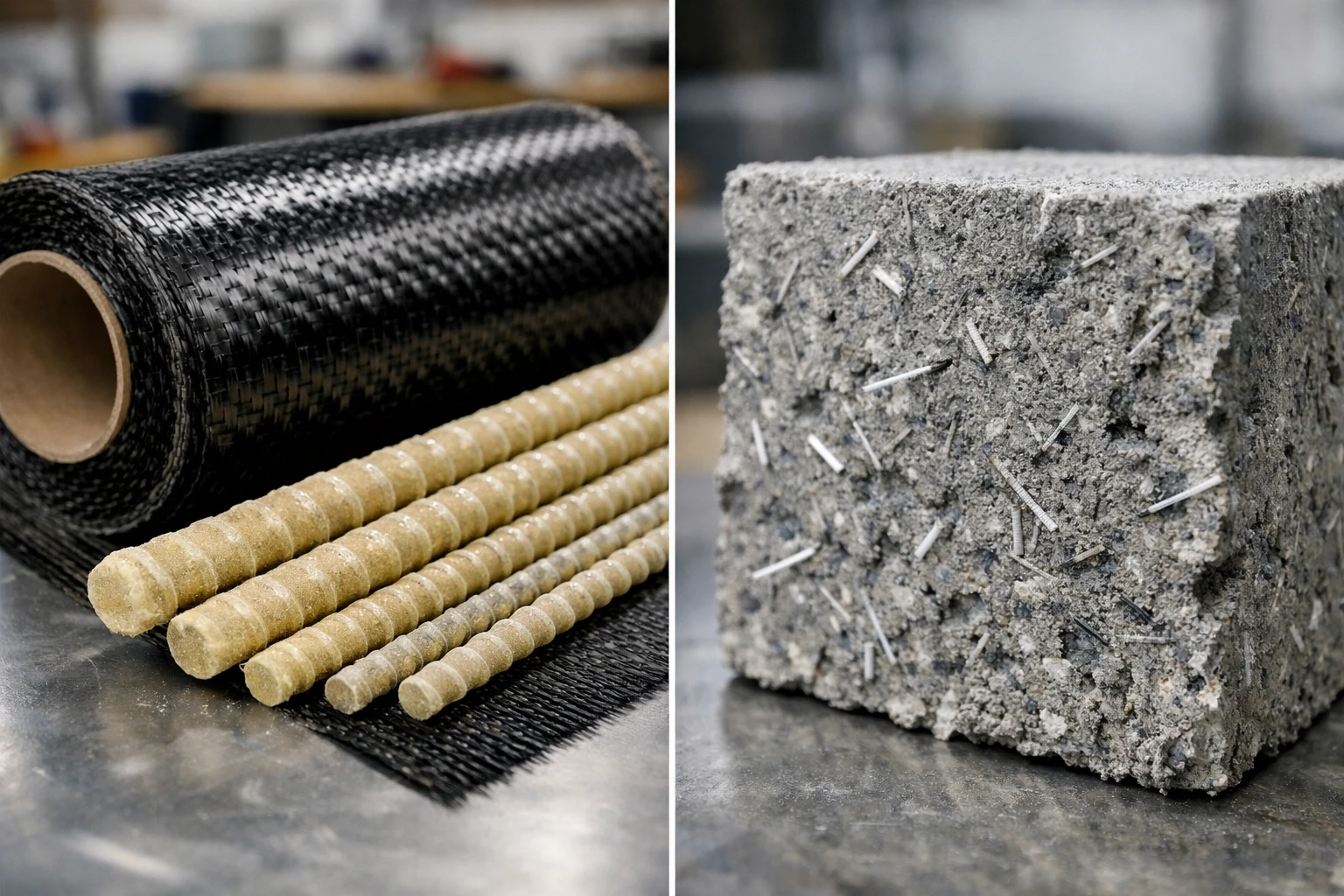
PVA fiber is short for polyvinyl alcohol fiber. It is a synthetic fiber with strong bonding ability in cement-based materials. It is used in concrete, mortar, repair products, and engineered cement composites to control cracking and improve toughness.
Many buyers compare PVA fiber with polypropylene fiber or steel fiber. The key difference is bonding. PVA fiber grips the cement paste strongly. This helps keep cracks very tight, even in thin sections.

What is PVA fiber made of?
PVA fiber is made from polyvinyl alcohol polymer. The polymer is dissolved, spun into filaments, then stretched to reach the target strength. After that, the filaments are cut to the required length for cement applications.
Some PVA fibers are surface-treated to adjust bonding and dispersion. This matters because “too much bond” can reduce workability, while “too little bond” reduces crack control.
A stable manufacturing process helps keep fiber length and diameter consistent. It also helps keep dispersion stable in mixing.

What does PVA fiber look like?
PVA fiber is usually white. It looks like fine hair, but it can be stronger and slightly stiffer than typical micro polypropylene fiber.
Most PVA fibers used in cement products are:
- short cut fibers, often a few millimeters to a few centimeters long
- thin filaments with a smooth surface
- packed in bundles or loose form for easy mixing
PVA fiber is often used as a micro reinforcement fiber. In many mixes it behaves like a “high-bond microfiber.” This is why it is popular for thin repair layers and high-performance mortar systems.

Why is PVA fiber used in concrete and mortar?
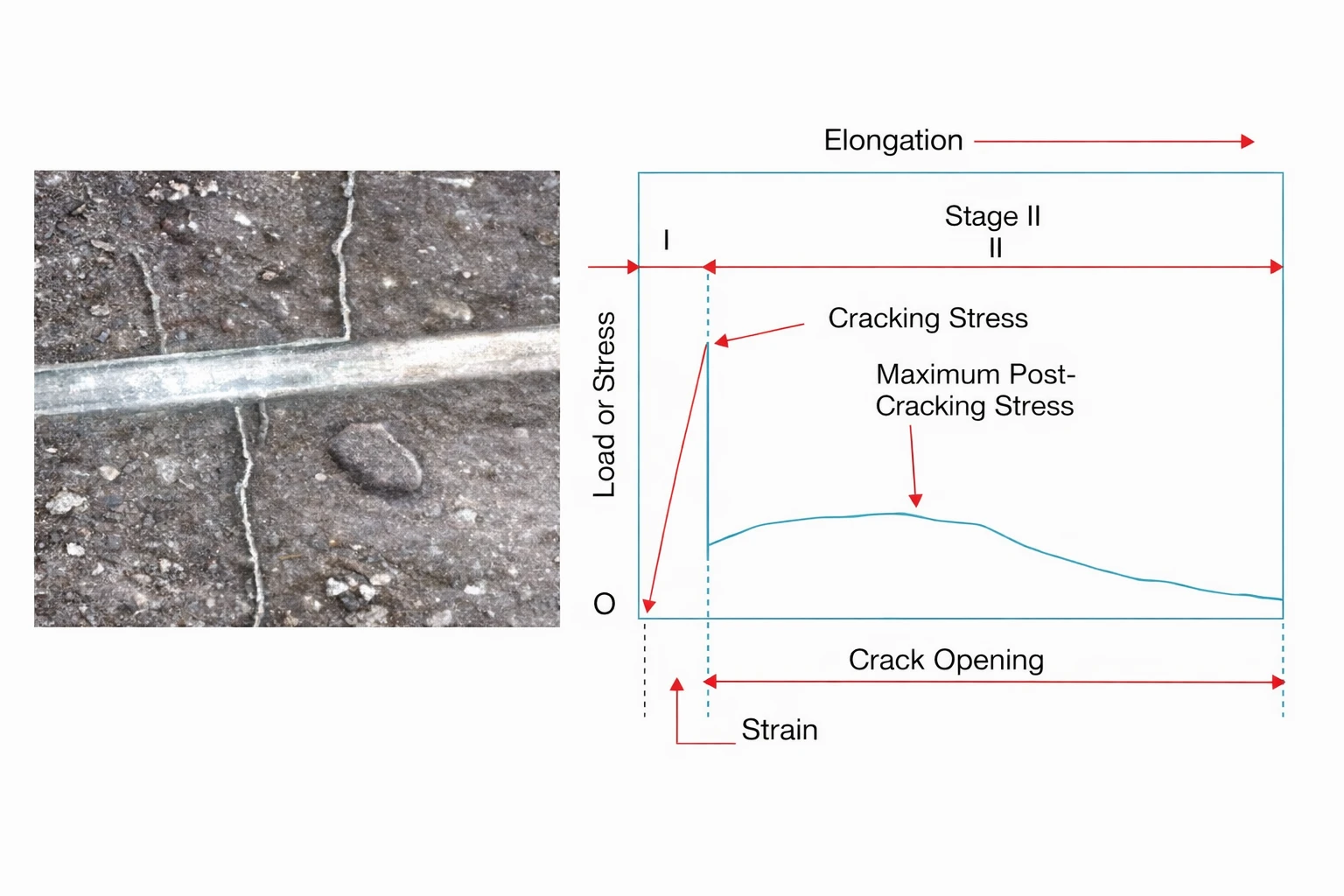
Concrete cracks because it shrinks. It also cracks because it is weak in tension. Rebar solves big tensile forces, but it does not stop micro cracking. Micro cracking still grows, then becomes visible cracks.
PVA fiber helps in a different way. It sits everywhere in the mix. It bridges micro cracks early. It keeps cracks tight after they form. This improves serviceability and appearance.
PVA fiber is used because it offers:
- strong bond with cement paste
- good crack width control
- improved toughness in thin sections
- improved resistance to impact and chipping in many mortars
- better performance in mixes designed for very tight crack limits
In many engineered cement composites, PVA fiber is chosen because it supports multiple fine cracking rather than a few wide cracks. This is valuable in repair systems and thin overlays.

Where is PVA fiber commonly used?
PVA fiber is not used everywhere. It is usually used where crack width control is strict, or where thin sections are sensitive.
Common applications include:
- repair mortar for patching and resurfacing
- thin overlays where shrinkage cracking is a risk
- waterproof mortar and cement coatings where crack width must stay tight
- precast thin panels with fine surface requirements
- GFRC-style thin elements in some systems
- engineered cementitious composites (ECC) designed for high ductility
For standard slabs-on-ground, polypropylene fiber is often the first choice because of cost. For high-value mortar and repair systems, PVA fiber is often selected because performance is the priority.

What is the typical dosage for PVA fiber?
Dosage depends on the product goal. It also depends on fiber length, diameter, and the mix system.
Common starting ranges seen in cement-based products are:
- 0.5–2.0 kg per m³ for general mortar crack control
- higher dosages in special engineered composites, based on design and testing
PVA fiber can reduce workability if dosage is too high. It can also increase air content if mixing is not controlled. Trial mixes matter.
Practical dosing tips:
- Add PVA fiber slowly to avoid clumping
- Extend mixing time to improve dispersion
- Use a water reducer if needed
- Keep water content stable. Do not “fix” workability with extra water

What are the limitations of PVA fiber?
PVA fiber brings strong bonding, but it also brings limits.
Key limits to know:
- Cost is higher than polypropylene fiber in many markets
- Workability can drop if dosage is high or paste is low
- Clumping risk increases if the fiber is added too fast
- Not a replacement for rebar in structural members
- Best results require mix design control, not “add fiber and hope”
PVA fiber works best when you control the full system. That includes cement type, sand grading, water-cement ratio, polymer content if used, plus curing.

How do you choose a PVA fiber supplier?
PVA fiber quality is not only “strength.” It is also dispersion behavior and consistency.
A simple supplier checklist:
- consistent length and diameter tolerances
- stable surface treatment for predictable bonding
- low dust, clean cutting, good packaging
- clear technical data sheet with recommended dosage ranges
- support for trial mixes and application guidance
If the supplier cannot support mixing guidance, the buyer takes more risk. PVA fiber needs correct mixing to show its value.

Ecocretefiber™ PVA fiber solutions
Ecocretefiber™ is the fiber brand of Shandong Jianbang Chemical Fiber Co., Ltd. We supply PVA fiber for concrete and mortar systems, plus other fiber types used in cement-based products.
What we support:
- fiber selection based on application goal
- dosage suggestions for mortar, overlays, and repair systems
- mixing and dispersion guidance for stable workability
- product documentation for distributors and project bids
If you want stable PVA fiber supply, plus technical support that helps you reduce trial time, Ecocretefiber™ is ready to work with your team.

Conclusion
PVA fiber is polyvinyl alcohol fiber. It is a synthetic fiber known for strong bonding with cement paste. In concrete and mortar, it helps control crack width and improve toughness, especially in thin sections and repair systems. It does not replace structural rebar, but it adds real value where crack control is strict.
If you need PVA fiber with stable dispersion and consistent quality, Ecocretefiber™ can support your mixes with product options, dosage guidance, and long-term supply.