ECOCRETE™ Basalt Fiber

Heat-stable, alkali-resistant reinforcement for asphalt and concrete longevity.

What is Basalt Fiber?

Basalt Fiber is produced from natural basalt rock and supplied as short-cut fibers for asphalt and cementitious materials. In asphalt, it forms a heat-stable micro-network that strengthens the mixture and restrains rutting, cracking, and moisture damage. In concrete, it acts as a secondary reinforcement to raise toughness, flexural/tensile capacity and water-tightness—without corrosion risk.

ECOCRETE™ Basalt Fiber is a short-cut inorganic fiber that bonds well with both asphalt and cement concrete. It significantly enhances high-temperature stability, low-temperature crack resistance, water-damage resistance, and fatigue performance—extending the service life of pavements and improving toughness and impermeability in concrete.

Lab tensile/adhesion testing of AR glass fibers and cement matrix

Technical Parameter

  • Material: Basalt (inorganic)
  • Tensile Strength: ≥ 1200 MPa
  • Elastic Modulus: ≥ 75 GPa
  • Elongation at Break: ≤ 3.1%
  • Density: 2.6–2.8 g/cm³
  • Acid/Alkali Resistance (retention): ≥ 75%
  • Moisture Content: ≤ 0.2%
  • Standard Cut Lengths: 3 / 6 / 9 / 12 mm (custom on request)
Lab tensile/adhesion testing of AR glass fibers and cement matrix
Concrete surface before vs after crack control with AR glass fibers

Key Benefits of Basalt Fiber

  1. High-Temperature Stability: Improves rutting resistance (wheel-tracking) by 30%+ under heavy traffic loads.
  2. Low-Temperature Crack Resistance: Cuts thermal-shrinkage cracking—low-temperature performance up by 40%+.
  3. Moisture Damage Resistance: Enhances resistance to stripping and water damage in wet/freeze-thaw climates.
  4. Fatigue Life: Roadway fatigue performance improves 2× or more, extending service life.
  5. Concrete Toughness & Tightness: Acts as secondary reinforcement to raise toughness, flexural/tensile strength and reduce permeability.
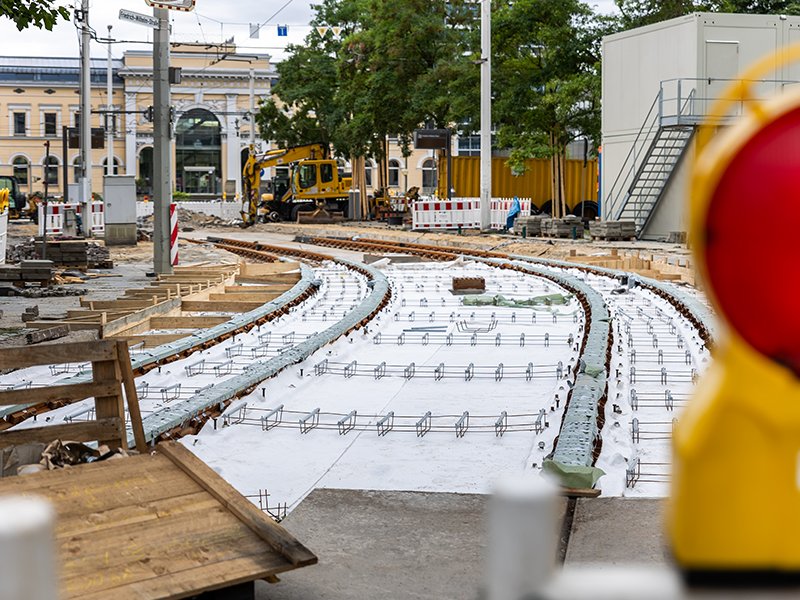
Ecocrete™ Basalt Fiber for tram track bed concrete – shrinkage crack control and durability

Applications of Basalt Fiber

  • Asphalt Pavements: dense-graded AC, stone mastic SMA, OGFC, fiber seals and overlays.
  • Airports: runways and aprons for high shear and temperature swings.
  • Bridges & Rail: bridge decks, tunnels, ballastless track systems.
  • Water & Marine: dams, channels, municipal waterworks, sea-crossing bridges, ports/quays.
  • Concrete & UHPC: slabs, precast parts and UHPC elements needing higher toughness and reduced seepage.
Ecocrete™ Basalt Fiber for tram track bed concrete – shrinkage crack control and durability
Worker handling bagged AR-glass fibers in front of stacked inventory

How to Use & Recommended Dosage

  • Asphalt (indicative): 0.2–0.4% by total mix mass (≈ 2–4 kg per ton), tuned to gradation/binder and project spec.
  • Concrete/Mortar (indicative): 1.0–3.0 kg/m³ for general crack control/toughness; verify by trial mix.
  • Mixing Method (asphalt): Dry-blend Basalt Fiber with hot aggregates to begin dispersion → add binder (asphalt) → mix until fibers separate uniformly.
  • Mixing Method (cementitious): Aggregates → Basalt Fiber → cement → water/admixtures → mix to full dispersion; adjust superplasticizer to maintain workability.

Packaging & Logistics

  • Inner Packs: 1–5 kg PE bags
  • Outer Packs: 10–25 kg woven bag or carton
  • Palletization: ≈ 500 kg/pallet
  • 20′ Container: ≈ 10 t (≈1 t/pallet, 10 pallets)
  • 40′ HQ: ≈ 24 t (≈1.2 t/pallet, 20 pallets)
  • Typical Lead Time: 5–10 days
  •  
SHIPMENT

Global Shipping & Delivery

We partner with reliable forwarders for FCL/LCL worldwide. Consolidation, pallet optimization and complete QC paperwork help streamline customs and shorten lead time.

Why Ecocrete™

  • Factory-Direct & QC: In-house production for stable quality and predictable lead times.
  • Road-Proven Performance: Demonstrated gains in rutting, low-temperature cracking, moisture resistance and fatigue life.
  • Concrete Upgrade: Secondary reinforcement that boosts toughness and tightness without corrosion.
  • Complete Paperwork: COA / SDS / TDS, ISO 9001; project inspection files available.
PP fiber extrusion lines forming consistent monofilament
Palletized fiber bags stored in a covered warehouse

FAQs — Basalt Fiber

A: It’s inorganic, heat-stable and alkali-resistant, providing strong improvements in rutting, low-temperature cracking, moisture resistance and fatigue—especially in SMA/AC/OGFC designs.

A: With the dry-blend method and correct mixing time, fibers disperse uniformly; proper temperature control preserves compaction and surface finish.

A: Yes—as a secondary reinforcement it improves toughness, flexural/tensile strength and impermeability in concrete and UHPC.

A: Use 3–6 mm for thin overlays/fine gradations; 9–12 mm for thicker courses and higher bridging. Confirm with a trial mix.

Certificates & Test Reports

Every batch is traceable. We provide COA, SDS, TDS, factory ISO9001 and project-specific third-party test reports upon request. Original stamped copies and bilingual versions are available.

Technical Data Sheet (TDS) for AR glass fiber

TDS — Technical Data Sheet

ISO 9001 quality management certificate

ISO 9001 — Quality Management

Project random inspection report

Project Random Inspection

COA – Certificate of Analysis (AR-glass batch)

COA — Certificate of Analysis (per batch)

Safety Data Sheet (SDS) for AR glass fiber

SDS — Safety Data Sheet

Send message

Let's make a difference

Share your project and timeline—we’ll reply with factory pricing and a shipping plan tailored to your country and port.

Schedule Appointment

Fill out the form below, and we will be in touch shortly.

Contact Information

Schedule Appointment

Fill out the form below, and we will be in touch shortly.

Contact Information

Schedule Appointment

Fill out the form below, and we will be in touch shortly.

Contact Information