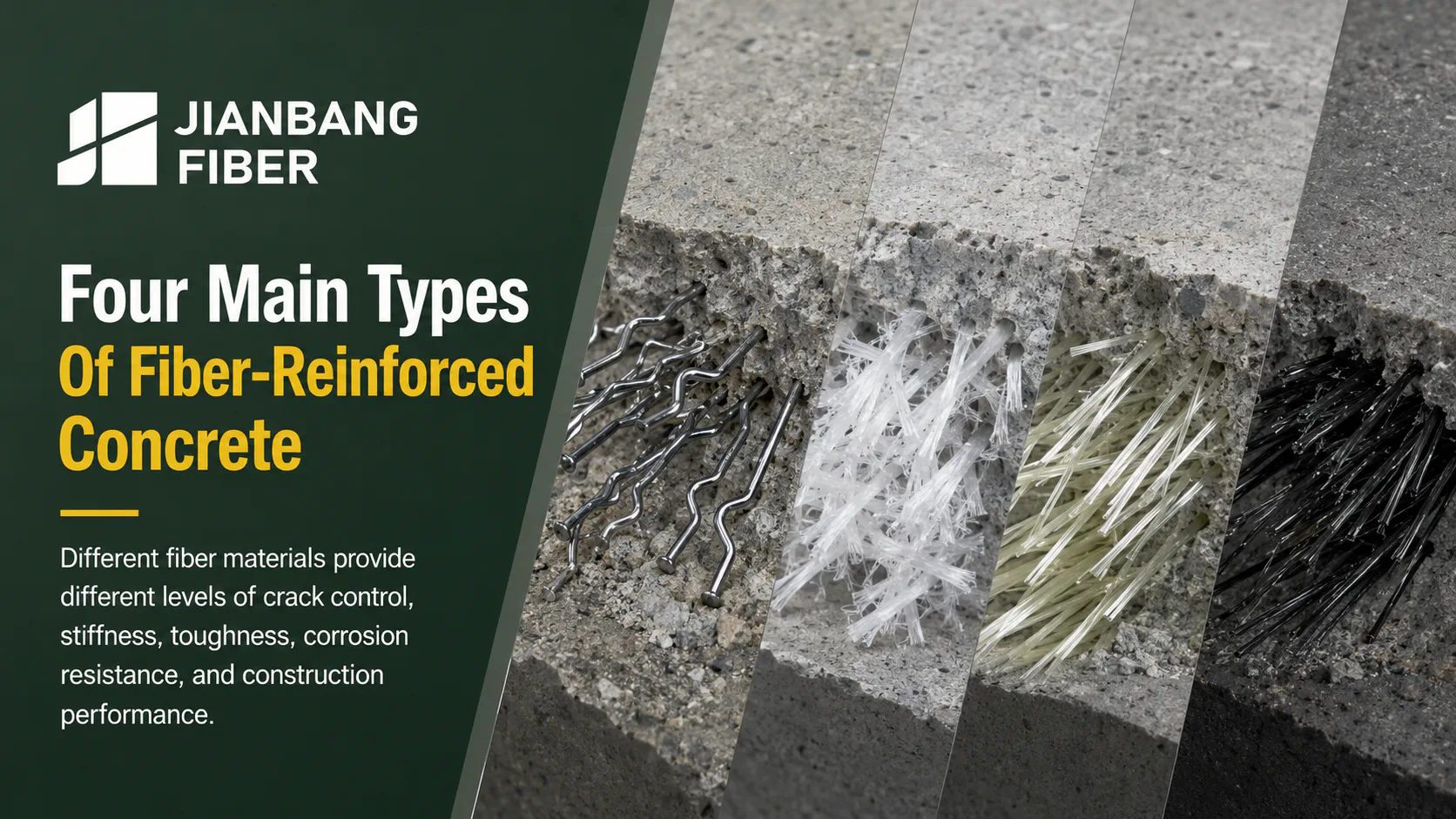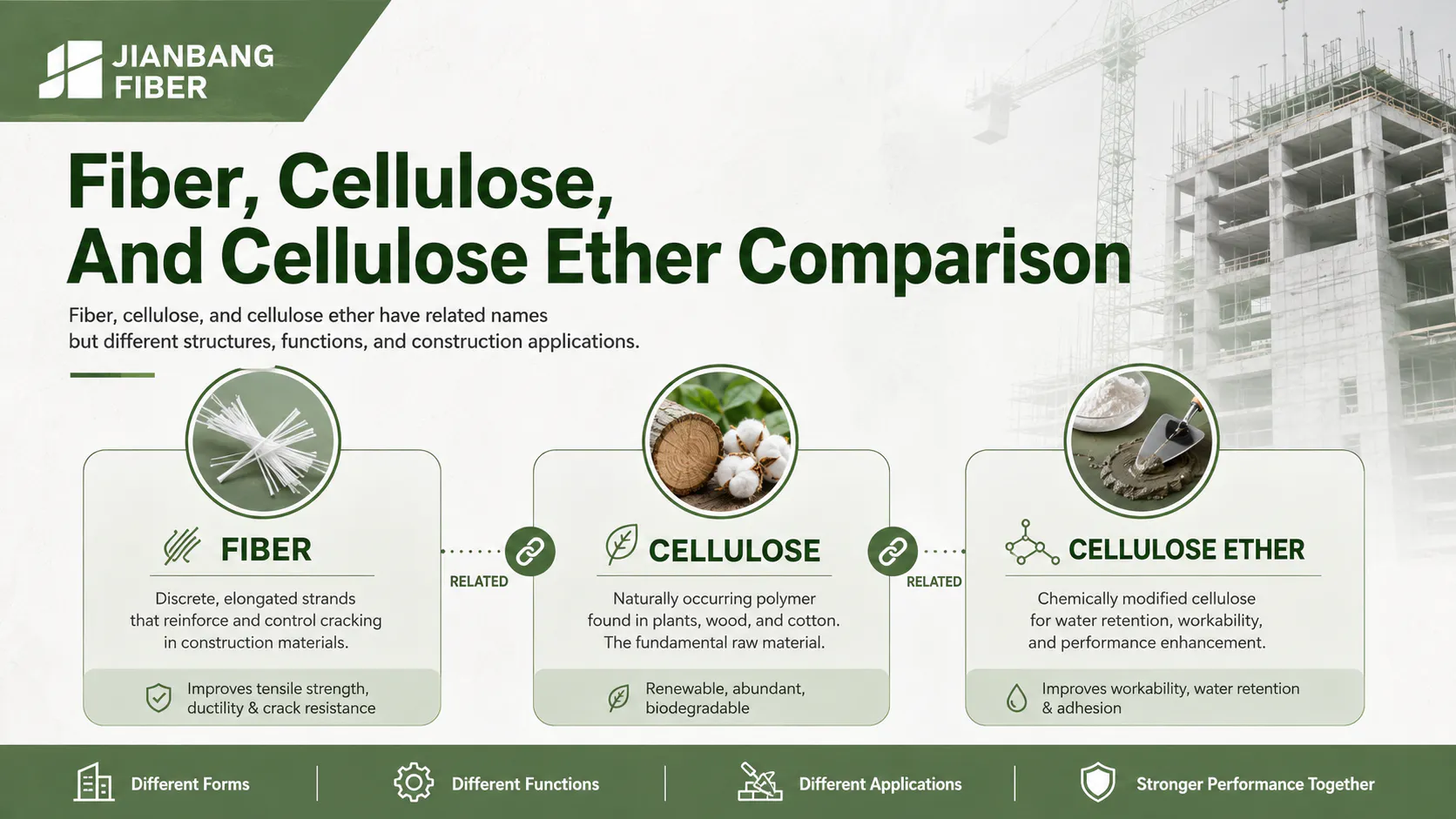
The difference between GFRC and GRP starts with the matrix. GFRC means glass fiber-reinforced concrete. It is a cementitious material in which alkali-resistant glass fibers are embedded in a cement-based mix. ACI describes GFRC as a composite of alkali-resistant glass fibers embedded in a cementitious mixture, which can be paste, mortar, or concrete. ASTM C1666 also says alkali-resistant glass fibers are intended for use in GFRC and other cementitious products.
GRP means glass reinforced plastic, and it is also commonly called fiberglass or glass-fiber reinforced polymer in many markets. Britannica defines fiberglass as extremely thin resin-coated glass fibers used as a reinforcing agent in plastics, and ACMA’s FRP architectural guide notes that FRP is also known as GFRP and GRP.
So the short answer is this: GFRC is a concrete product with glass fibers inside a cement matrix. GRP is a plastic or polymer composite with glass fibers inside a resin matrix.
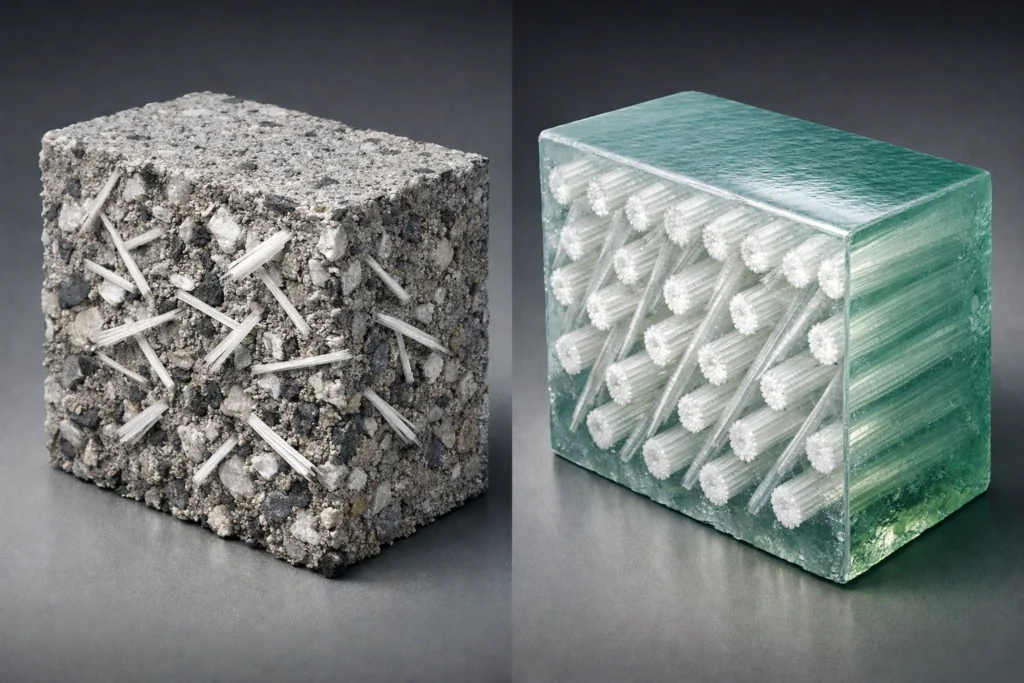
GFRC is a concrete material
GFRC belongs to the concrete family. ACI’s GFRC report says GFRC is made with alkali-resistant glass fibers inside a cementitious mixture, and the report focuses on processes, properties, and applications of GFRC made by spray-up and related methods. PCI’s GFRC guide specification also treats GFRC as a concrete panel system that includes GFRC panels, panel frames, anchors, and connection hardware.
That means GFRC behaves like a cement-based cladding or precast material, not like a plastic shell. In practice, GFRC is used for wall units, window wall units, mullions, column covers, fascia units, cornices, and soffits in architectural work. PCI’s guide specification lists exactly those kinds of panel applications. ACI’s GFRC report also says GFRC is used in architectural and civil engineering products and notes properties such as durability and fire resistance.
This is why GFRC is often chosen when a project wants the look and feel of concrete in a thinner and more moldable form. It is still part of the concrete world, even though it can look much lighter and more sculptural than conventional precast. Concrete Network notes that GFRC is commonly used for thin architectural cladding panels, statues, planters, fountains, countertops, and decorative panels.
GRP is a plastic or polymer composite
GRP belongs to the composites family, not the concrete family. Britannica explains that fiberglass is used as a reinforcing agent in plastics, and ACMA’s guide defines FRP as fiber-reinforced polymers, also known as GFRP and GRP. That means GRP is fundamentally a polymer composite, not a cementitious product.
This difference changes the whole product logic. GRP is made with glass fibers and resin. GFRC is made with glass fibers and cement-based material. GRP is therefore closer to molded composite products, structural profiles, tanks, pipes, gratings, and lightweight panels than it is to concrete cladding. ASTM D3754 shows this clearly because it covers fiberglass pipe used in pressure systems for sanitary sewage, storm water, industrial wastes, and corrosive fluids. EOTA’s assessment document for structural sections made from FRP or glassfiber composites also shows that GRP-type materials are used in profile-based structural products.
So, while GFRC is usually discussed with precast and architectural concrete, GRP is usually discussed with composite pipes, profiles, tanks, gratings, marine products, and lightweight molded construction components. Britannica also notes that glass-fiber-reinforced plastics are used for products such as boat hulls and car bodies.
GFRC uses alkali-resistant glass in a cement environment
One major difference is the type of glass fiber and the environment it has to survive in. Cement is alkaline, so GFRC needs alkali-resistant glass fibers, usually called AR glass. ASTM C1666 is the ASTM specification for alkali-resistant glass fiber for GFRC and other cementitious products. ACI’s GFRC reports also tie modern GFRC development to the availability of alkali-resistant glass fibers that could survive in the cement environment.
This is a big point because standard glass reinforcement logic from polymer composites does not transfer directly into concrete. GFRC needs fibers chosen for cement chemistry. That is why GFRC product language often says AR glass fiber, while GRP language often just says glass fiber or fiberglass in a resin matrix. Concrete Network’s GFRC reference also explains that the alkali resistance of AR glass fibers comes from zirconia content, which is what makes them suitable for concrete use.
So even though both materials contain glass fibers, the fiber requirement is not exactly the same. GFRC is designed around the chemistry of cement. GRP is designed around the chemistry of resin.
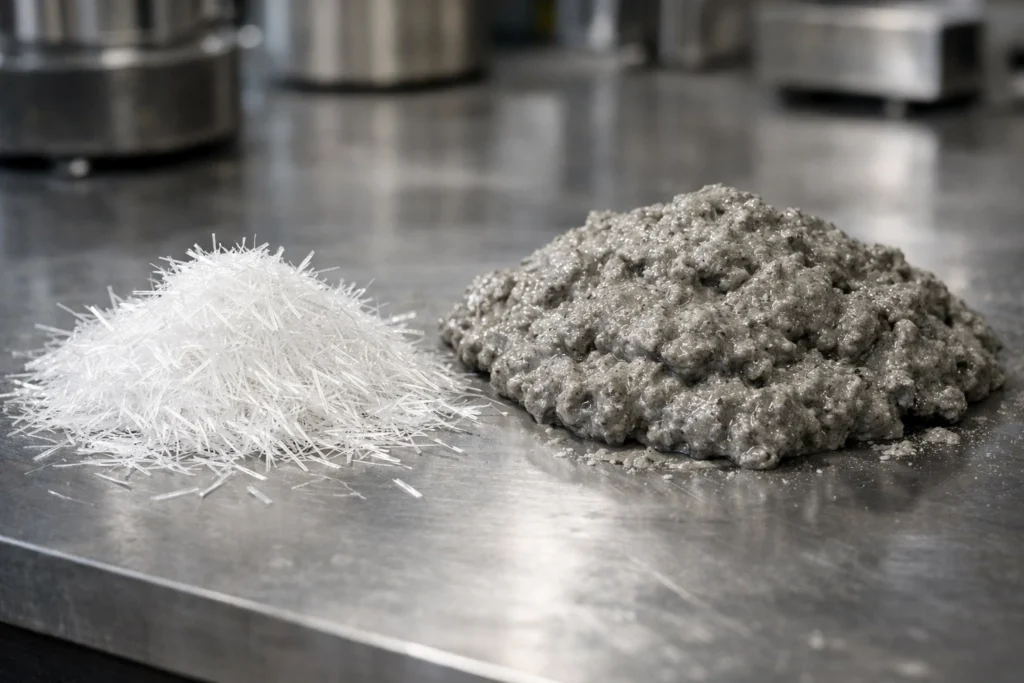
GFRC is usually used for architectural concrete panels and molded concrete shapes
GFRC is strongly associated with architectural cladding and decorative concrete forms. PCI’s GFRC guide specification lists wall units, window wall units, mullions, column covers, fascia units, cornices, and soffits as GFRC panel applications. PCI also has a recommended practice specifically for GFRC panels, which shows how established this material is in architectural precast.
ACI’s GFRC report says GFRC is a popular construction material used to manufacture precast concrete products in architectural and civil engineering applications. Concrete Network adds that GFRC is also used for statues, planters, fountains, countertops, and artificial rock work, especially because it can be cast into relatively thin sections.
This means GFRC usually enters a project when the designer wants a concrete appearance, concrete texture, and concrete-based fire and weathering behavior, but does not want the mass and thickness of conventional reinforced precast concrete. GFRC stays in the concrete design conversation even when the section is thin.
GRP is usually used for molded composite products, profiles, pipes, and shells
GRP is usually chosen where the project needs a lightweight composite product rather than a cementitious finish or cladding skin. ASTM D3754 covers fiberglass pipe for pressure systems carrying sewage, storm water, industrial waste, and corrosive fluids. EOTA’s assessment document covers structural sections made from FRP or glassfiber composites. ACMA’s architectural FRP guide introduces FRP composites as a building material for architects and designers.
Britannica also points to classic GRP or fiberglass uses such as boat hulls, and it describes fiberglass-reinforced plastic as a light and strong material. This matches the general market view that GRP is used where designers want corrosion resistance, low weight, and moldability in a plastic composite product.
So the easy rule is this: GFRC usually becomes a concrete-facing architectural or precast element. GRP usually becomes a composite part, shell, profile, tank, pipe, or molded product.
GFRC and GRP look similar in name, but they do not feel the same in use
This is where many buyers get confused. Both materials use glass fibers. Both can be molded into useful shapes. Both can appear in façades or building products. Still, the tactile and performance logic is different.
GFRC feels and behaves like a thin concrete material. It is mineral-based. It is usually finished and discussed like an architectural concrete product. ACI’s GFRC report and PCI’s specifications treat it that way.
GRP feels and behaves like a composite plastic product. It has a resin-based matrix, and it is closer to fiberglass products used in boats, tanks, pipes, and molded architectural composites. Britannica’s fiberglass entry and ACMA’s FRP guide both support that framing.
This matters in specification work because a designer cannot substitute one for the other just because both use glass fibers. A GFRC cornice and a GRP cornice may look similar from far away, but they are different material systems with different detailing, fixing logic, fire expectations, and surface character.
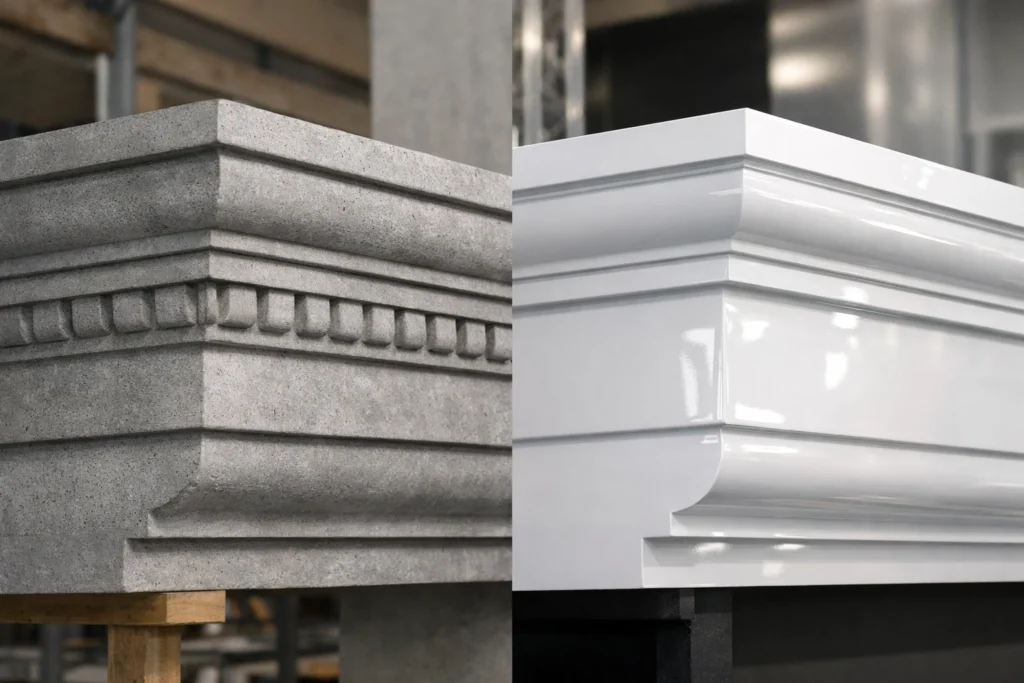
GFRC is often chosen when concrete appearance and fire resistance matter
ACI’s GFRC report notes desirable properties such as durability, strength, toughness, moisture resistance, dimensional stability, and fire resistance for GFRC products. Because GFRC is cement-based, it stays closer to the performance language of concrete than GRP does.
This is one reason architects and precasters choose GFRC for façade panels, trim, and molded concrete details. The project may want a true concrete identity, a mineral surface, and behavior that fits the broader concrete envelope system. PCI’s GFRC guidance is built around these panel and façade uses.
GRP can also be durable and practical, but its base matrix is still a resin or plastic system. That gives it a different product identity from the start.
GRP is often chosen when low weight and corrosion resistance matter
GRP is often selected when the project values low weight, corrosion resistance, and manufacturing freedom in a composite product. Britannica’s fiberglass description frames it as a light and strong material used in many products, and ASTM D3754’s fiberglass pipe scope shows how widely it is used in corrosive fluid service. EOTA’s FRP structural section document also supports GRP use in profile-based construction products.
This is why GRP appears so often in tanks, pipes, gratings, structural sections, and marine products. It is not trying to behave like concrete. It is trying to solve a different materials problem.
So if the project brief says “I want a concrete panel look,” GFRC may be the right discussion. If the project brief says “I need a lightweight corrosion-resistant composite product,” GRP may be the right discussion.
GFRC is usually specified through concrete and precast references, while GRP follows composite references
Another practical difference is the documentation path.
GFRC is usually specified through ACI, ASTM C1666, and PCI-style concrete or precast references. ACI 549 reports, ASTM C1666, and PCI GFRC specifications all sit in the concrete and precast world.
GRP is usually specified through composites, FRP, pipe, or profile references. ASTM D3754 for fiberglass pipe, ACMA guidance for FRP architectural products, and EOTA guidance for FRP structural sections all sit in that composite-products world.
That difference is important for procurement. If a buyer asks for “glass fiber product” without naming the matrix, the quote can go in the wrong direction very quickly. GFRC and GRP do not belong to the same supplier category in many real projects.
A quick rule that avoids confusion
The easiest memory rule is this:
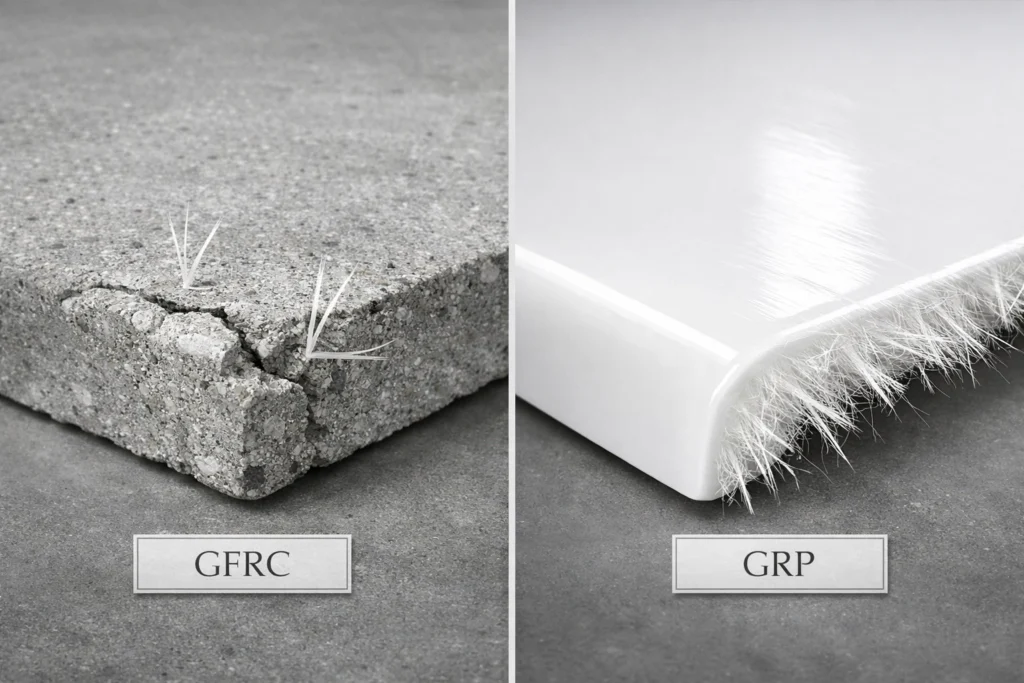
GFRC = glass fiber in concrete.
It is a cement-based material used for panels, cladding, molded concrete shapes, and related precast applications.
GRP = glass fiber in plastic or polymer.
It is a composite material used for pipes, tanks, profiles, shells, and many lightweight molded products.
That one rule solves most of the confusion around the two acronyms.
Why this matters for buyers and designers
This difference matters because the wrong material language leads to the wrong product search, the wrong supplier, and sometimes the wrong design expectation. A designer asking for GFRC is usually looking for a concrete-based architectural or precast solution. A buyer asking for GRP is usually looking for a composite product solution. PCI and ACI make the GFRC path clear, while ACMA, EOTA, and ASTM fiberglass pipe standards make the GRP path clear.
For a concrete-focused brand, this distinction is especially important. GFRC sits inside the broader concrete conversation. GRP does not. So a concrete materials supplier should not blur the two just because both use glass fibers.
Why this topic matters for Ecocretefiber™
For Ecocretefiber™, this article matters because many searchers start with the wrong assumption that GFRC and GRP are close substitutes. They are not. The common word is “glass fiber,” but the matrix changes the material family, the specification path, the use case, and the supplier category.
A clear article like this helps filter traffic. Readers who need a cement-based glass fiber product can move toward the concrete and GFRC side of the market. Readers who need polymer composite products can move toward GRP suppliers and standards instead. That makes the content useful both for education and for qualification.
Conclusion
The difference between GFRC and GRP is the matrix and the material family. GFRC is glass fiber-reinforced concrete, which means alkali-resistant glass fibers in a cementitious matrix. GRP is glass reinforced plastic or glass reinforced polymer, which means glass fibers in a resin or plastic matrix.
GFRC is usually used for architectural concrete panels, façade units, molded concrete details, and other precast or cement-based products. GRP is usually used for composite pipes, tanks, profiles, shells, marine products, and lightweight molded items.
So the fastest correct way to remember it is this: GFRC is a concrete material. GRP is a composite plastic material. They may sound similar because both use glass fibers, but they belong to different product worlds and solve different construction problems.