
PAN Fiber Modified Asphalt For Road Pavement: Structure, Rutting Resistance, Thermal Aging, And Fatigue Performance
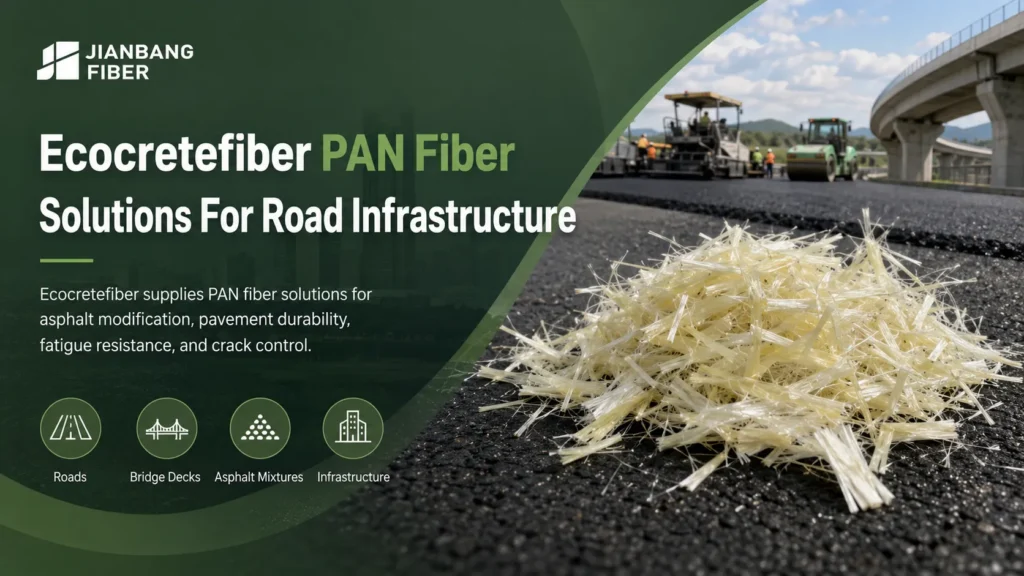
Why Road Asphalt Needs Fiber Modification Asphalt pavement is widely used in highways, airports, bridge decks, municipal roads, and industrial traffic areas. It offers a smooth driving surface. It helps improve driving comfort. It also reduces tire wear and vehicle vibration compared with some rigid pavement surfaces. But asphalt pavement has clear performance limits. In […]
Steel Fiber Specifications For Concrete: Shapes, Manufacturing Methods, Length, Diameter, And Selection Guide
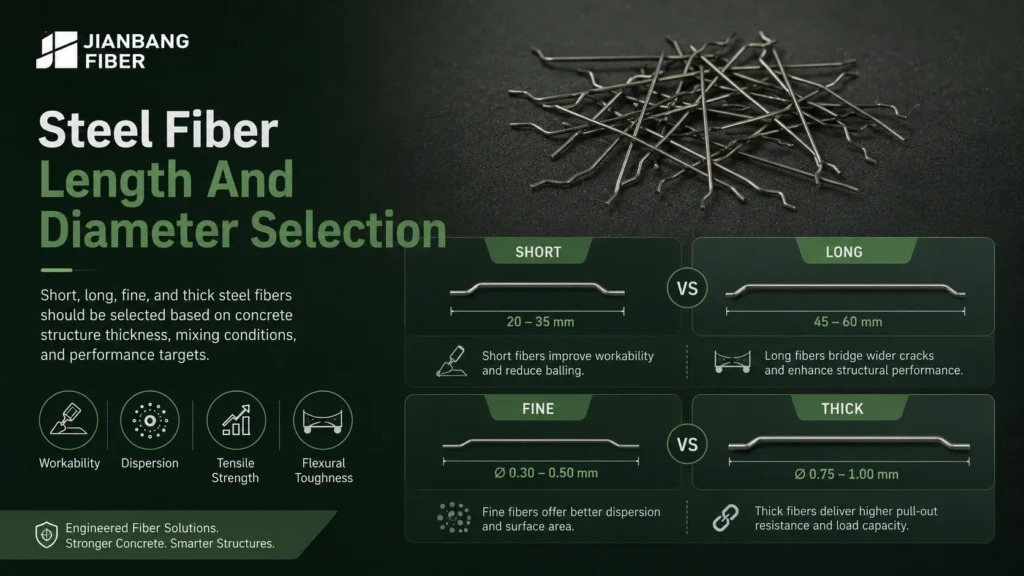
Why Steel Fiber Specifications Matter Steel fiber reinforced concrete is widely used in industrial floors, bridge decks, tunnels, pavements, precast elements, hydraulic structures, and heavy-duty concrete slabs. But not every steel fiber works the same way. The shape, production method, length, diameter, tensile strength, and surface condition of steel fiber all affect concrete performance. A […]
Steel-Like Synthetic Fiber Reinforced Concrete For Flexural Toughness: Impact Resistance, Crack Control, And Dosage Selection
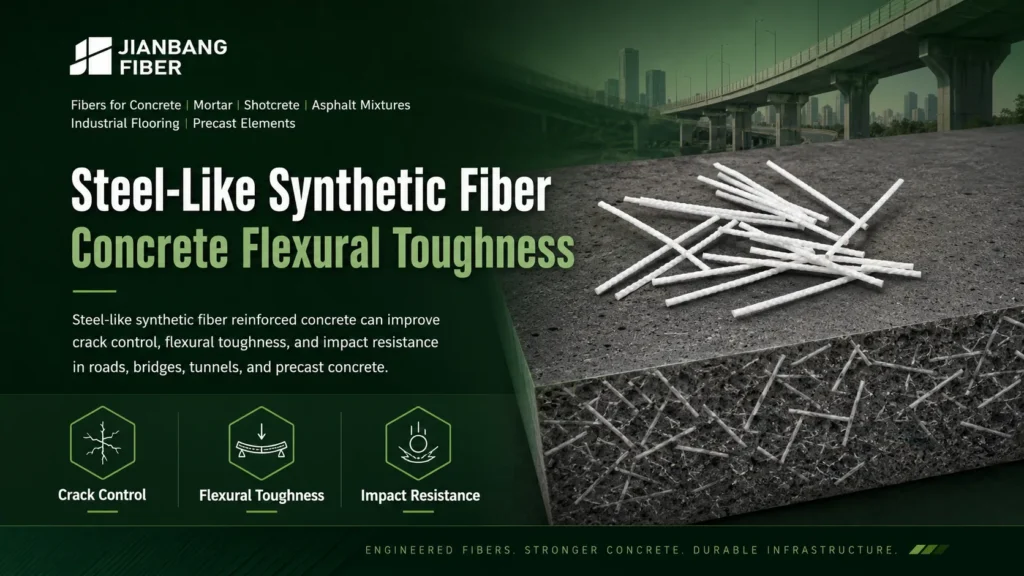
Why Flexural Toughness Matters In Concrete Concrete is strong in compression, but it is weak in tension and bending. This is a basic problem in roads, bridge decks, tunnel linings, industrial floors, precast elements, and repair concrete. Many concrete structures do not fail only because of direct compression. They often fail because of bending stress, […]
Steel-Like Synthetic Fiber Concrete Construction Guide: Mixing, Placing, Finishing, Curing, And Quality Control
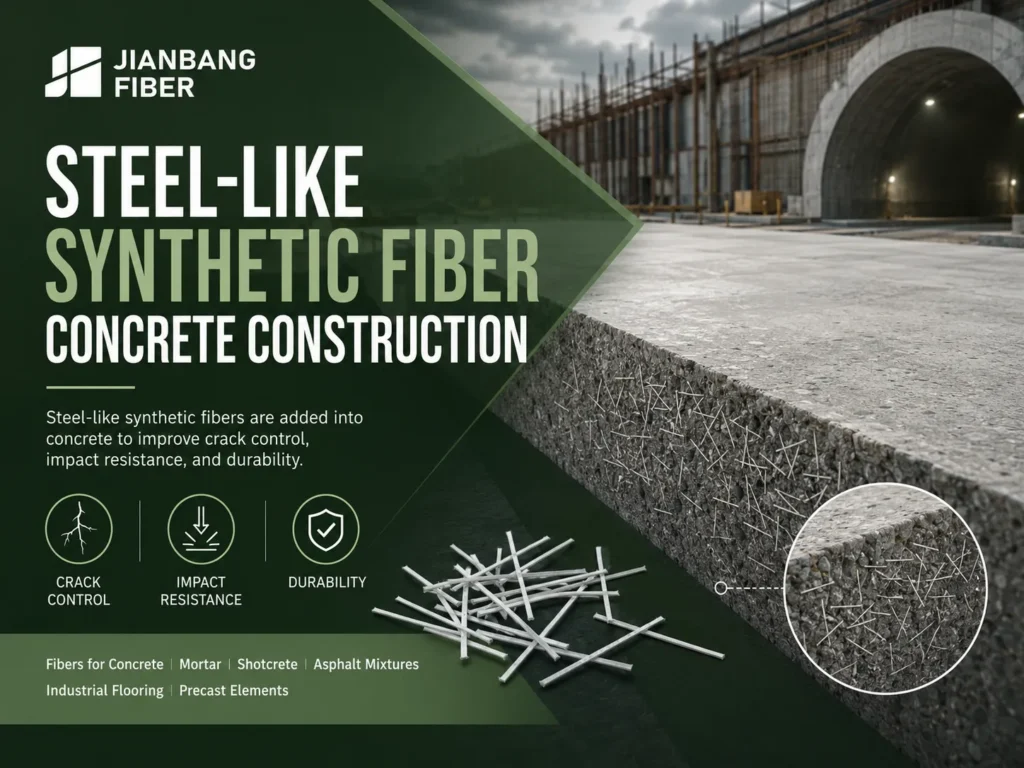
Why Steel-Like Synthetic Fiber Concrete Needs Correct Construction Steel-like synthetic fiber concrete is becoming more common in slabs, pavements, tunnels, underground garages, bridge decks, industrial floors, hydraulic structures, and precast concrete. The reason is simple. Concrete needs better crack control, better impact resistance, and better durability. Ordinary concrete is strong in compression, but it is […]
Steel Fiber Vs Steel-Like Synthetic Fiber Reinforced Concrete: Performance, Durability, Applications, And Selection Guide
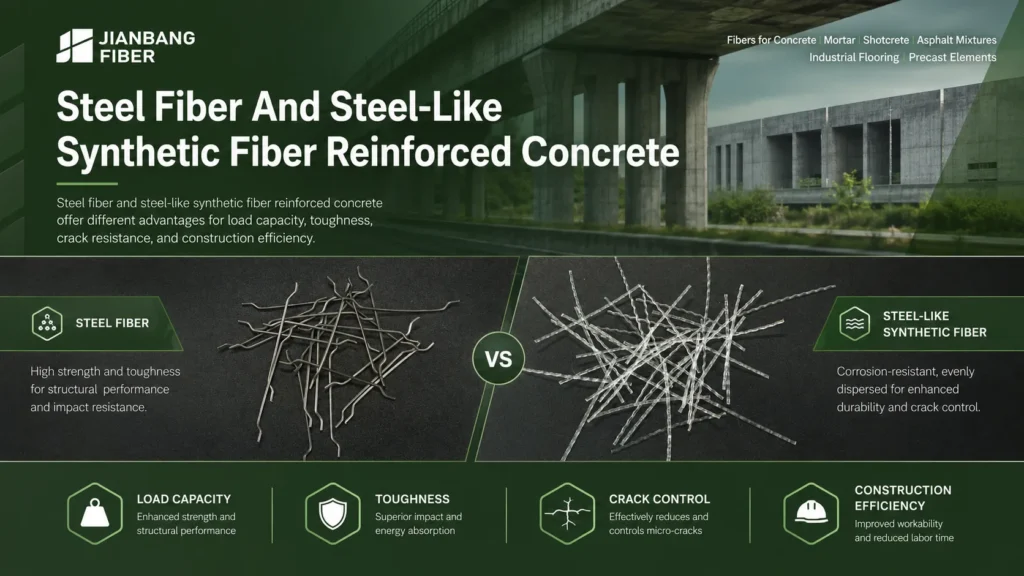
Why Concrete Needs Fiber Reinforcement Concrete is strong under compression, but it is weak under tension. It can crack under shrinkage, bending, impact, vibration, temperature change, and repeated load. Once cracks appear, water and harmful ions can enter the structure. This can reduce durability and service life. Fiber reinforced concrete helps solve this problem. Fibers […]
PAN Fiber Modified Asphalt For Road Pavement: Better Rutting Resistance, Crack Control, Aging Resistance, And Fatigue Performance
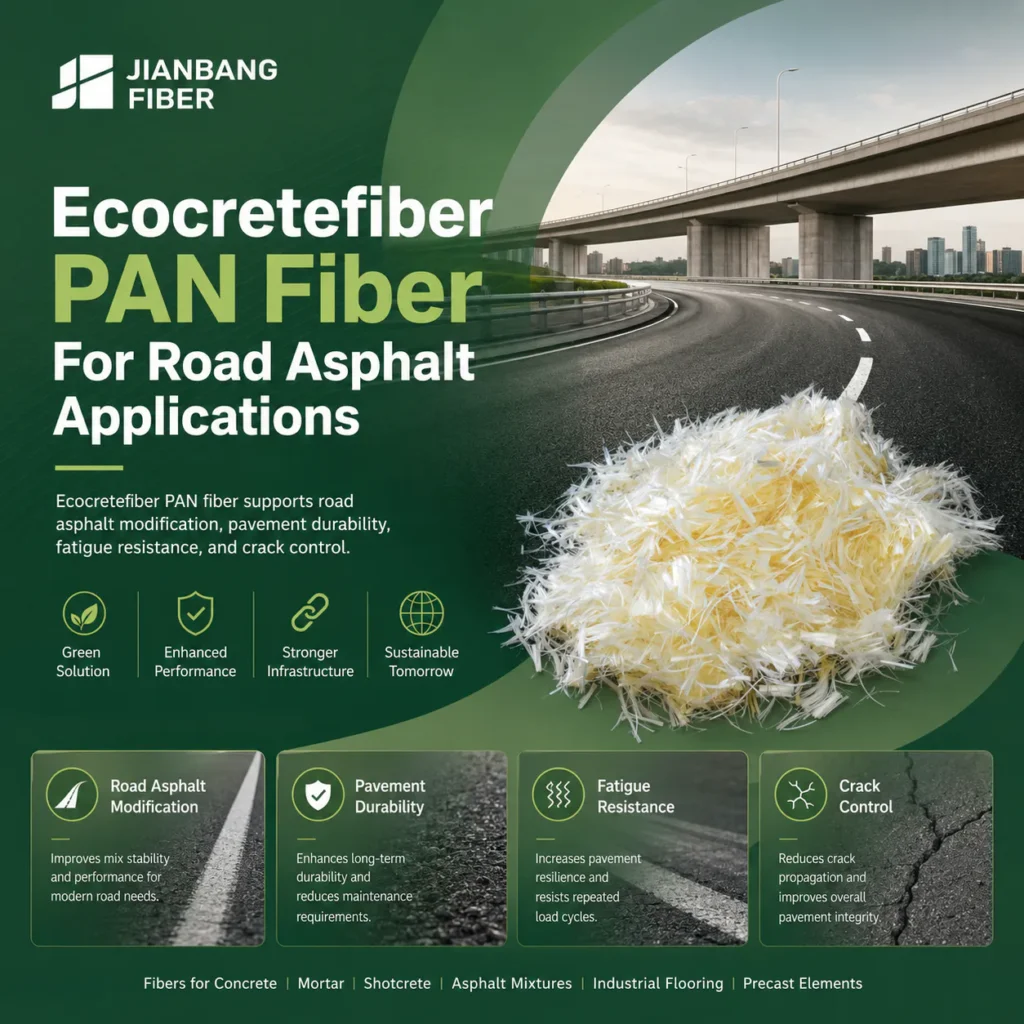
Why Asphalt Pavement Needs Fiber Modification Asphalt pavement is widely used in road construction because it gives a smooth driving surface. It can reduce driving noise. It can improve riding comfort. It can also reduce tire wear compared with some rigid pavement surfaces. But asphalt pavement also has clear problems. Under high temperature and heavy […]
Basalt Fiber Reinforced Concrete Durability: Acid-Alkali Resistance, High Temperature Performance, And Freeze-Thaw Protection
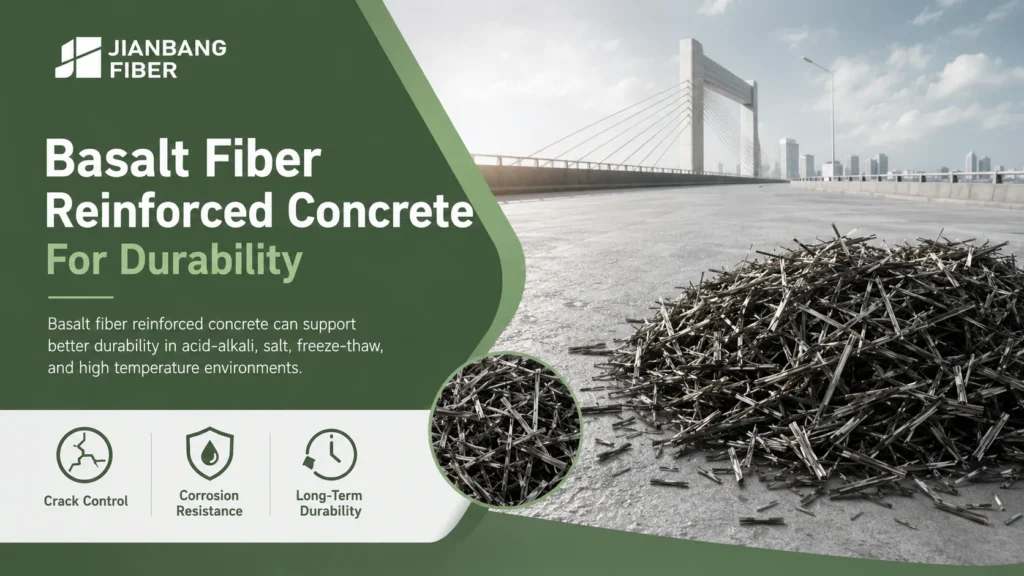
Why Concrete Durability Needs More Attention Concrete is one of the most widely used construction materials in the world. It is used in dams, bridges, tunnels, roads, buildings, industrial floors, precast components, and many other structures. It has good compressive strength. It is also easy to shape and widely available. But ordinary concrete still has […]
Alkali-Resistant Glass Fiber In Road Concrete: Application Strategy, Crack Control, And Mix Design Guide
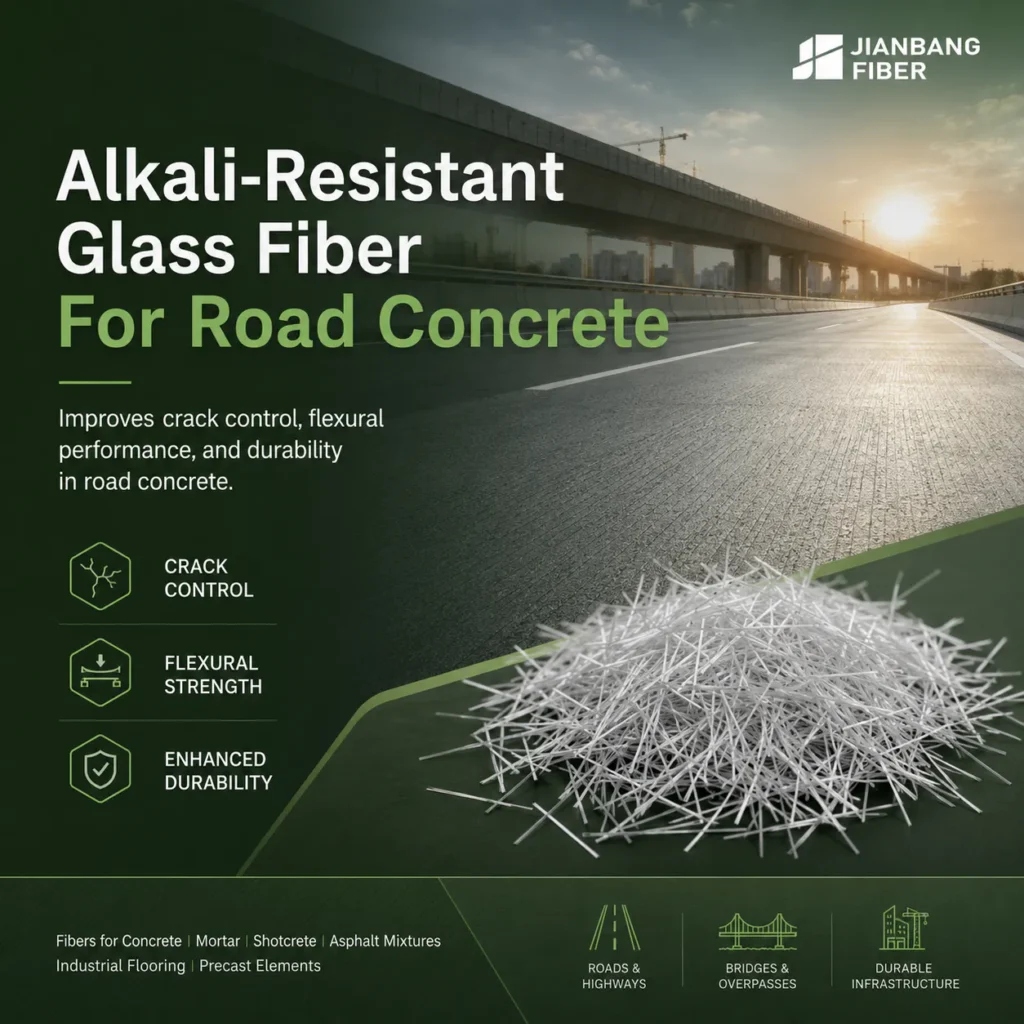
Why Road Concrete Needs Fiber Reinforcement Road concrete works under repeated stress every day. It carries vehicle loads, wheel impact, temperature change, freeze-thaw cycles, moisture, and surface wear. Ordinary concrete has good compressive strength, but it is still a brittle material. Once cracks appear, water and harmful ions can enter the pavement. This can reduce […]
Is PVA Fiber Harmful To Humans? Safety, Handling, And Concrete Application Guide
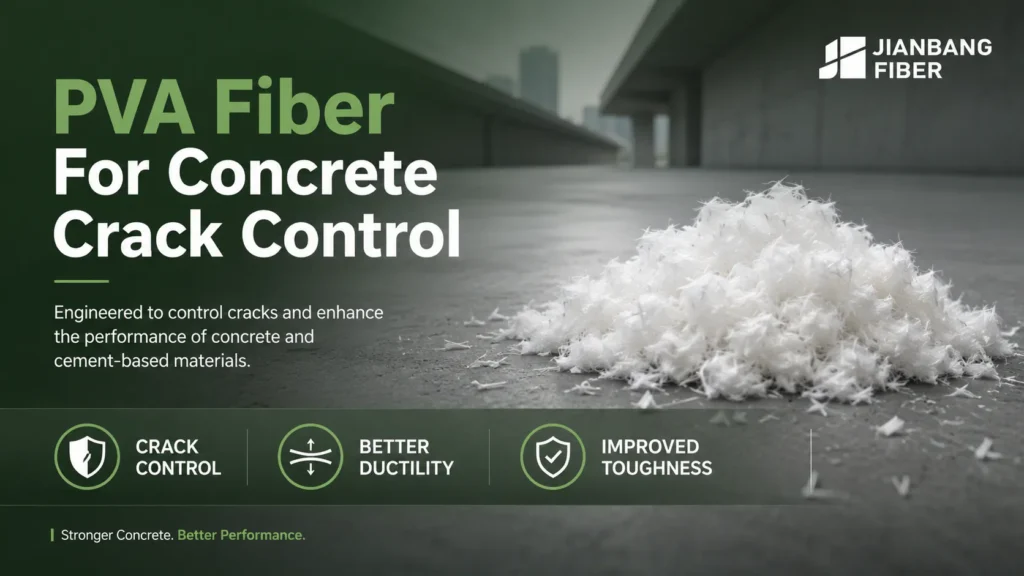
Is PVA Fiber Harmful To Humans? Many buyers ask one direct question before they purchase PVA fiber: is PVA fiber harmful to humans? The simple answer is this: qualified PVA fiber from a regular manufacturer is generally safe for normal handling and normal construction use, but workers still need basic dust protection during storage, feeding, […]
Fiber Reinforced Concrete Segments For Tunnel Construction: Mix Design, Mechanical Performance, And Engineering Application
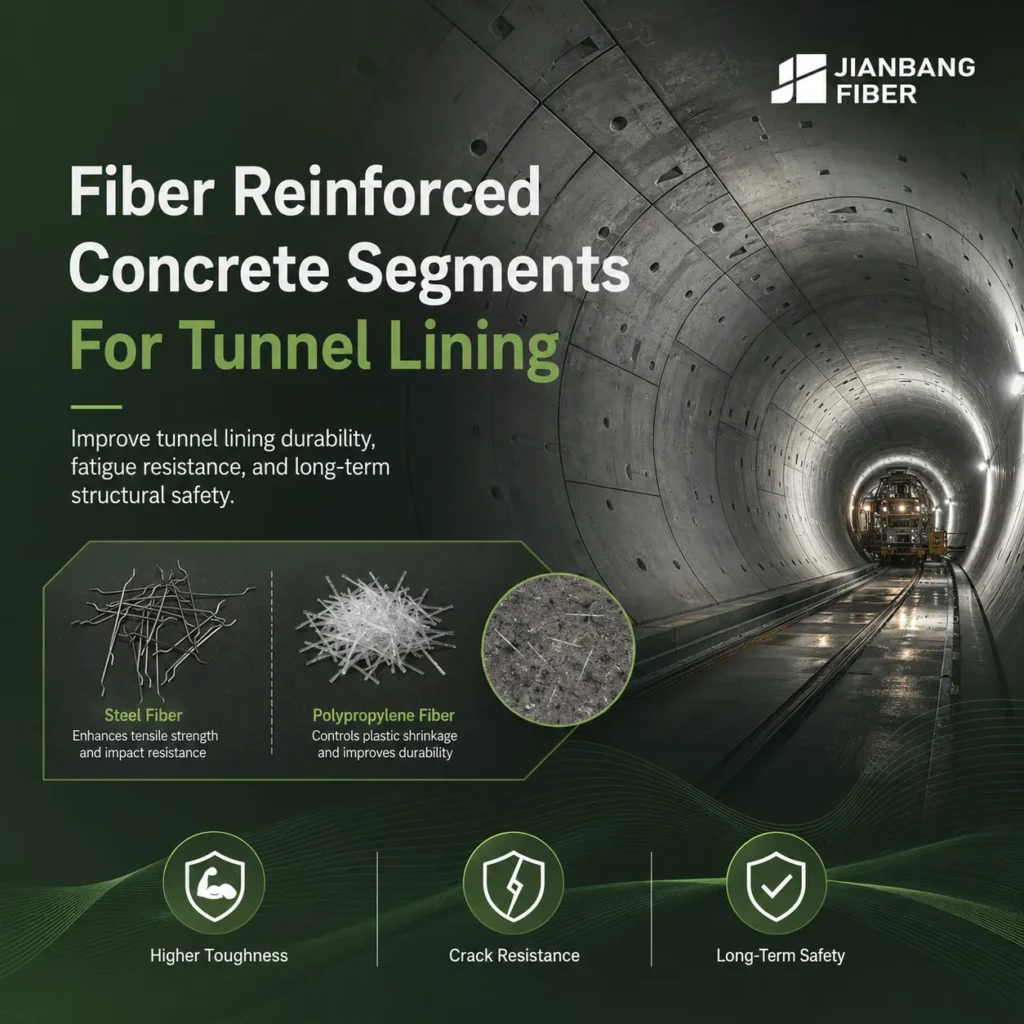
Why Tunnel Segments Need Fiber Reinforced Concrete Tunnel segments are not simple concrete products. They must carry ground pressure, water pressure, assembly force, shield jack pressure, transportation stress, and long-term service load. They also need stable dimensional accuracy, reliable joint performance, and good durability. Ordinary reinforced concrete can meet many tunnel lining needs. But in […]