
What is the purpose of adding fiber to concrete?

Concrete cracks because concrete is weak in tension. Shrinkage creates stress. Temperature change creates stress. Loads create stress. Fibers help because fibers bridge small cracks. Fibers also spread stress across the mix. This is the main purpose of adding fiber to concrete. Fiber is not only one product. Fiber can be steel, glass, synthetic, or […]
Why Polypropylene Fibre Is Used In Concrete?

Concrete is strong in compression. Concrete is weak in tension. Cracks can appear early, sometimes within hours of placement. Cracks can also grow later under traffic, impact, or temperature movement. Polypropylene (PP) fibre is used because it reduces some of these risks with a simple step. The crew adds fibres during mixing. The fibres spread […]
What is polypropylene fiber used for?

Polypropylene (PP) fiber is used to improve performance in products that need durability, crack control, or lightweight strength. In construction, PP fiber is most common in concrete and mortar. It helps reduce early cracking. It can also improve toughness and impact resistance in the right form. Industry guidance highlights synthetic fibers for shrinkage crack reduction, […]
What is the effect of polypropylene fiber in concrete?
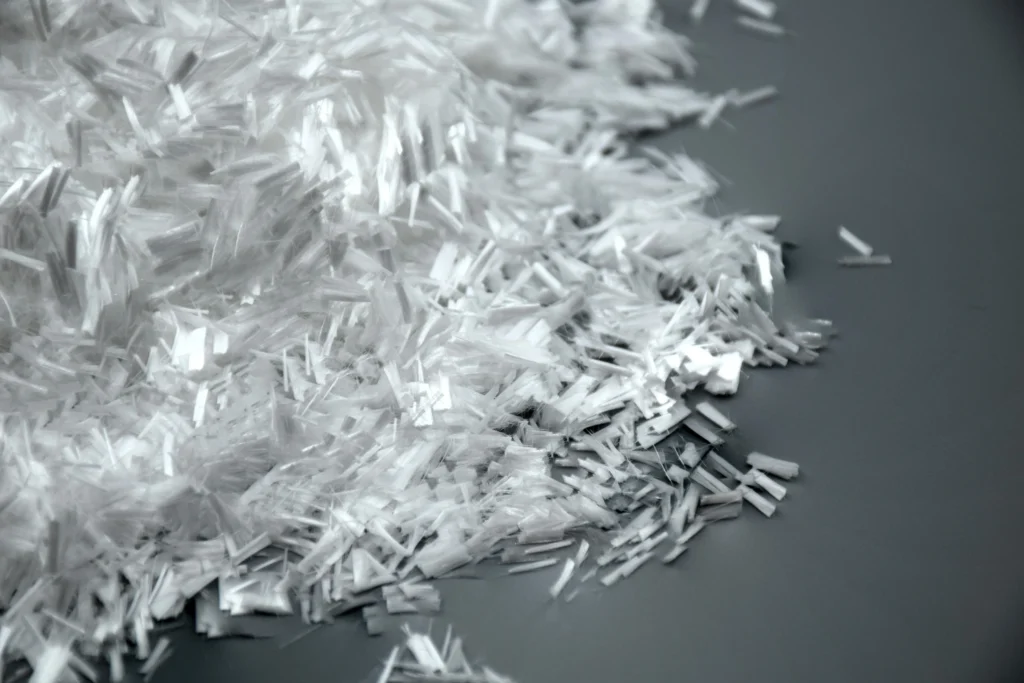
Polypropylene (PP) fiber is a synthetic fiber that you mix into fresh concrete. Its main effect is crack control, especially at early age. It also improves toughness and impact resistance in many mixes. It can improve cohesion during placement. At higher performance levels, it can also help reduce explosive spalling risk in fire, mainly in […]
Is fiber concrete better than regular concrete?

Fiber concrete can be better than regular concrete, but only when it solves the problem you actually have. Fiber concrete often gives better crack control. It can improve toughness after cracking. It can reduce impact damage in floors and pavements. Synthetic fibers are also widely used to reduce plastic and drying shrinkage cracking. They can […]
What is the difference between UHPC and normal concrete?
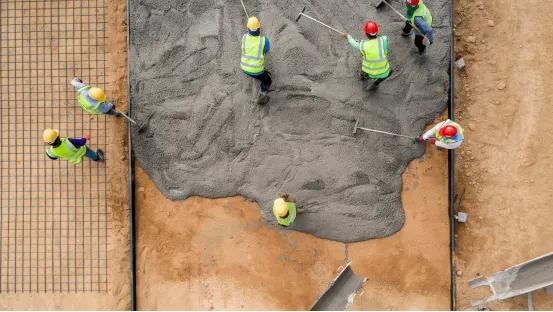
UHPC means Ultra-High-Performance Concrete. Normal concrete is the standard concrete used for most slabs, beams, columns, and foundations. The key difference is not only strength. The bigger difference is how the material behaves after cracking, plus how well it blocks water and salts over long service life. UHPC usually needs strict production control. Normal concrete […]
What is a polypropylene fiber?
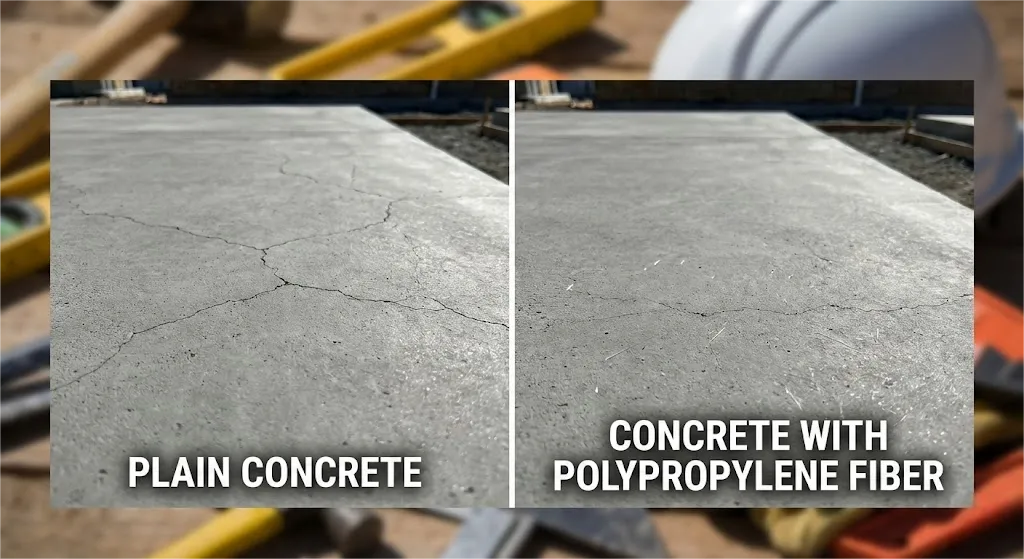
Polypropylene fiber is a synthetic fiber made from polypropylene resin. It is lightweight, stable, and non-corrosive. It is widely used in concrete, mortar, plaster, and many cement-based products to improve crack control and surface durability. This article explains what a polypropylene fiber is, how it works in cement mixes, where it is used, and what […]
Fiber Reinforced Concrete vs Rebar: What’s the Difference and Which One to Choose?

hetic fibers to control cracking and improve impact resistance, while decorative or residential slabs may use micro-fibers to limit surface hairline cracks and dusting. By distributing reinforcement throughout the concrete, fibers are ideal in applications focused on crack resistance and durability rather than carrying heavy structural loads. What Is Rebar Reinforced Concrete? Rebar-Reinforced Concrete is concrete […]
Polypropylene Fiber for Concrete: What It Is and Why It Matters
Cracks in slabs and screeds hurt every project. They create complaints, extra labour, and hidden cost. Polypropylene fiber for concrete is a small addition to the mix that helps keep those cracks under control. It improves surface quality, supports durability, and protects your margin with very low cost per cubic meter. What Is Polypropylene Fiber […]
5 Benefits Of Glass Fiber Reinforced Concrete You Should Know

Traditional concrete is strong but heavy. It cracks easily in thin sections. That limits design, slows installation, and eats profit. Glass fiber reinforced concrete (GFRC) offers a different route. It mixes alkali-resistant glass fibers into a fine, cement-rich matrix. The result is a thin concrete skin with high strength, low weight, and good crack control. […]