
Is fiber-reinforced concrete better than rebar?
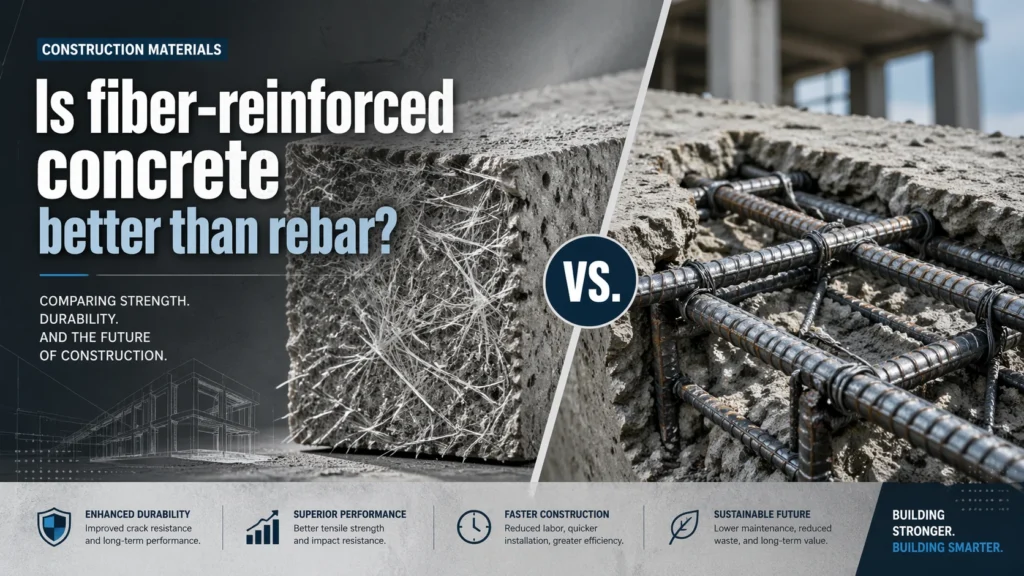
Fiber-reinforced concrete is not simply better than rebar, and rebar is not simply better than fiber-reinforced concrete. They do different jobs. In the clearest engineering sense, rebar is still the better choice for continuous primary tension reinforcement in many beams, walls, columns, and suspended slabs, because ACI explains that reinforcement is used to provide additional […]
What is concrete fiber siding?
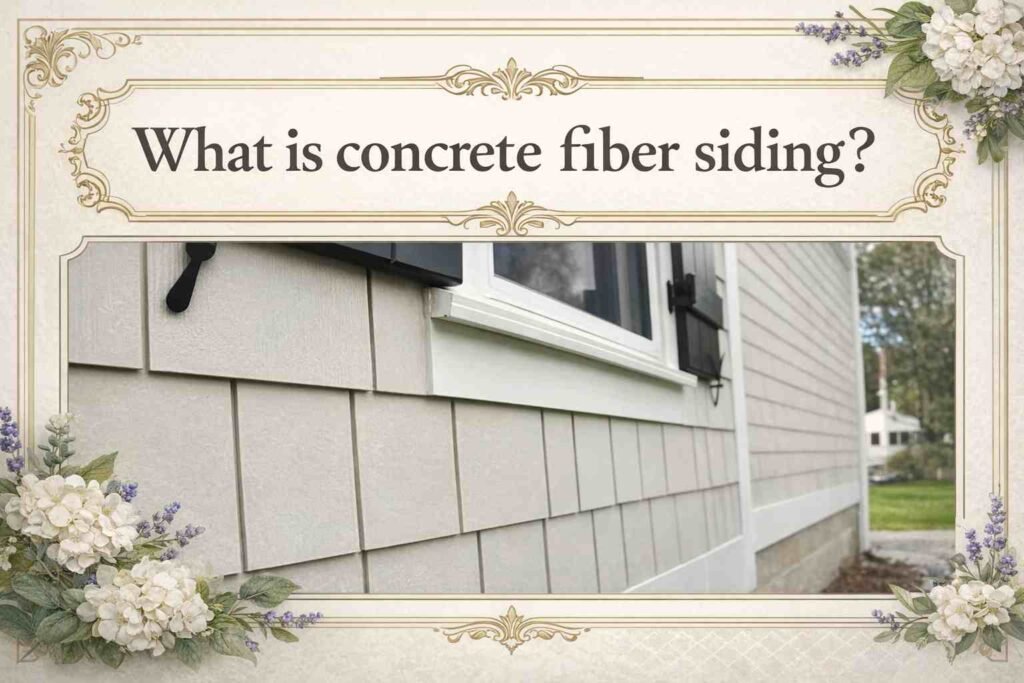
When people ask “What is concrete fiber siding?”, they usually mean fiber cement siding. That is the formal industry name you will see in standards, code documents, and product sheets. ASTM C1186 calls it fiber-cement flat sheets for exterior uses such as wall claddings, facades, curtain walls, and soffits. Product literature from major manufacturers uses […]
Can Fiberglass Be Used to Reinforce Concrete?
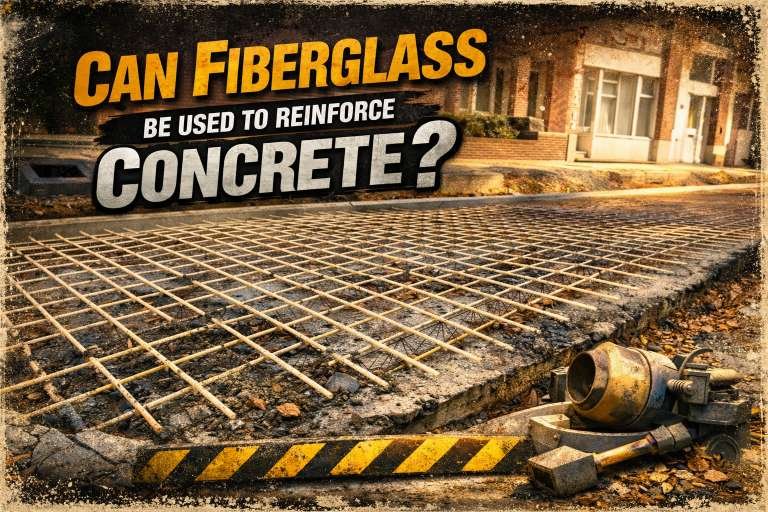
Yes, fiberglass can be used to reinforce concrete, but only in the right form. This is the key point. Ordinary fiberglass is not the right answer for normal cement-based materials because concrete is highly alkaline. In concrete work, the industry usually uses alkali-resistant glass fibers for GFRC and other cementitious mixes, or it uses glass […]
What Is Steel Fiber Reinforced Concrete Used For
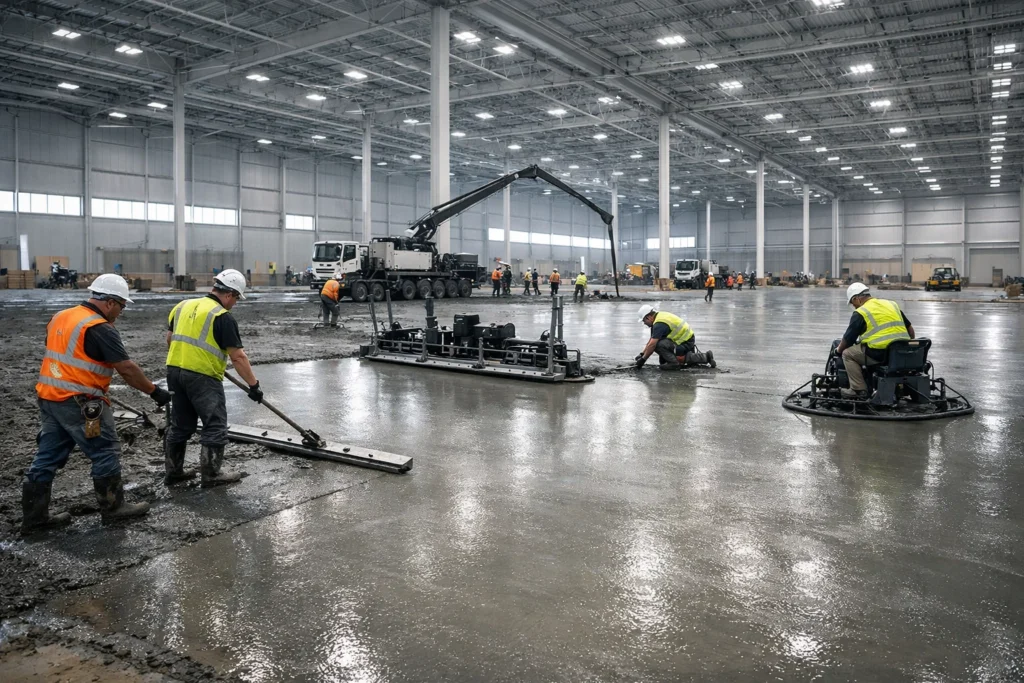
Steel fiber reinforced concrete is used in places where concrete must do more than just carry weight. It is used where the slab or structure must also control cracks, handle repeated loads, resist impact, and keep working for a long time in hard service conditions. In simple words, steel fiber reinforced concrete is chosen when […]
What Are the Different Types of Steel Fiber?
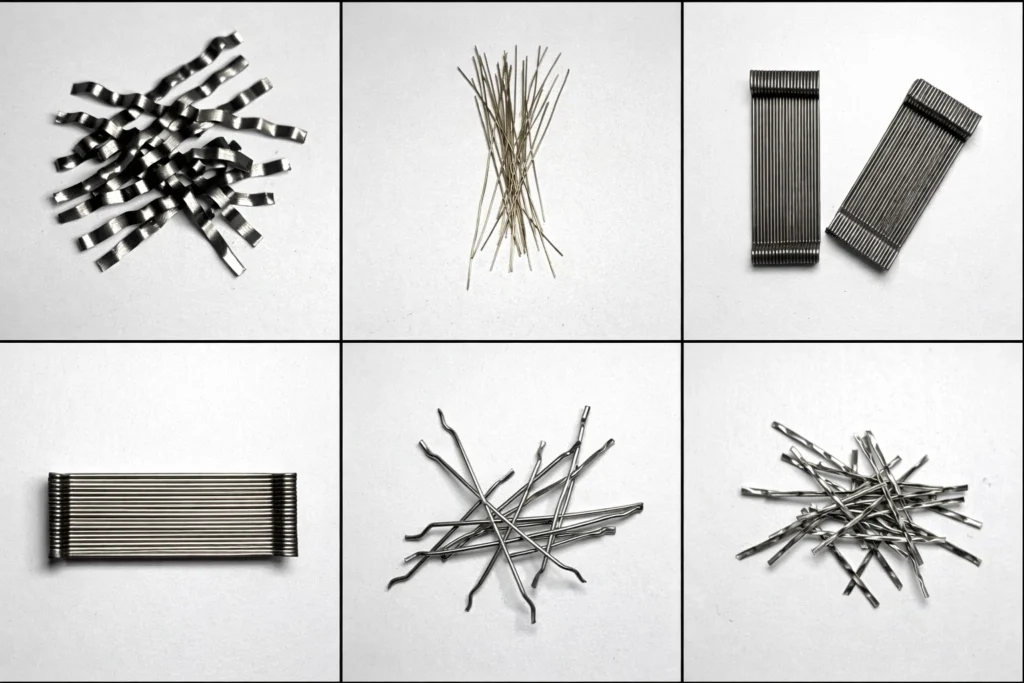
When people ask “What are the different types of steel fiber?”, they usually mean one of two things. They may want the standard classifications used in ASTM or EN standards. Or they may want the common market shapes they see in catalogs, such as hooked-end, crimped, straight, or twisted fibers. Both ways are correct. The […]
What Is the Difference Between GFRC and GRP?
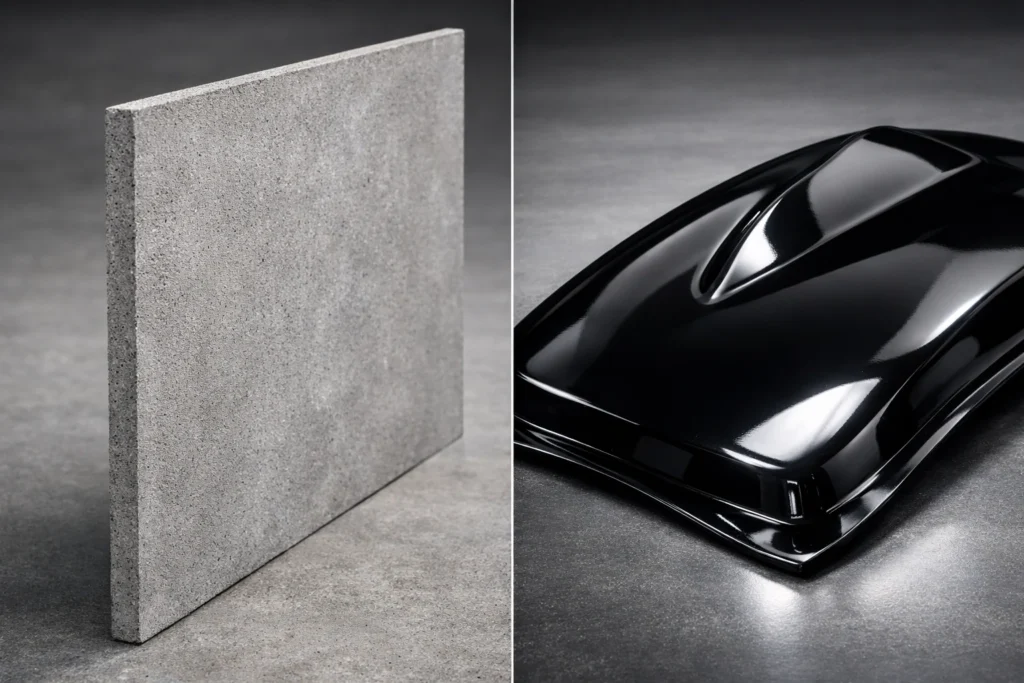
The difference between GFRC and GRP starts with the matrix. GFRC means glass fiber-reinforced concrete. It is a cementitious material in which alkali-resistant glass fibers are embedded in a cement-based mix. ACI describes GFRC as a composite of alkali-resistant glass fibers embedded in a cementitious mixture, which can be paste, mortar, or concrete. ASTM C1666 […]
What Is the Difference Between FRP and FRC?
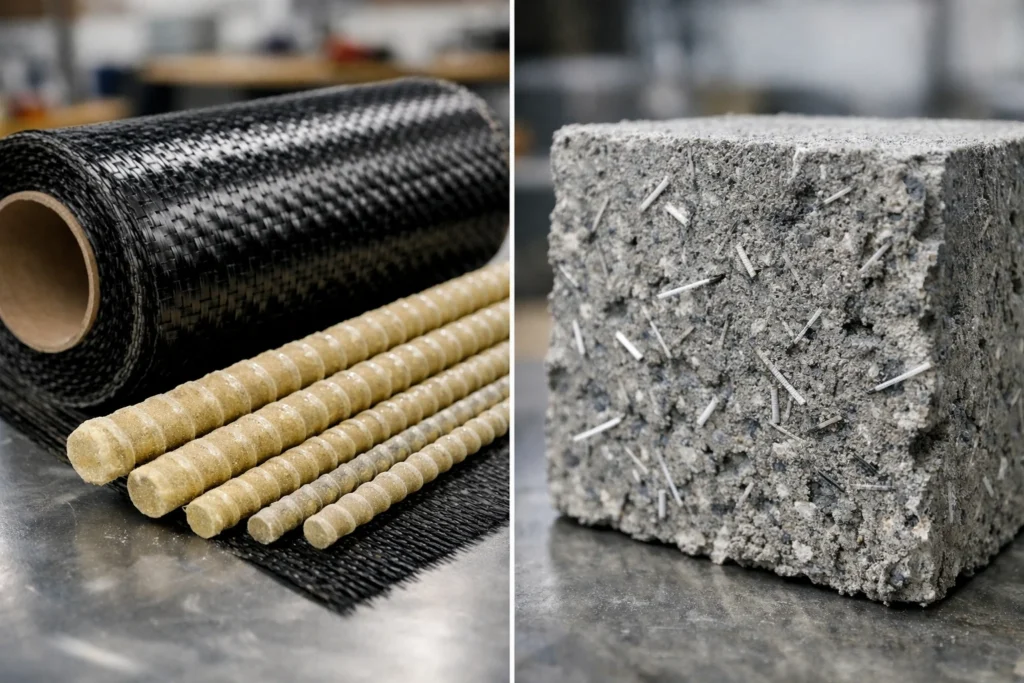
The difference between FRP and FRC is simple once you separate the letters. FRP means fiber-reinforced polymer. It is a composite material made from strong fibers inside a resin matrix. In concrete work, FRP usually appears as bars, tendons, sheets, strips, grids, or near-surface-mounted elements used to reinforce or strengthen concrete members. ACI explains that […]
What Is Polypropylene Fiber-Reinforced Concrete Used For?
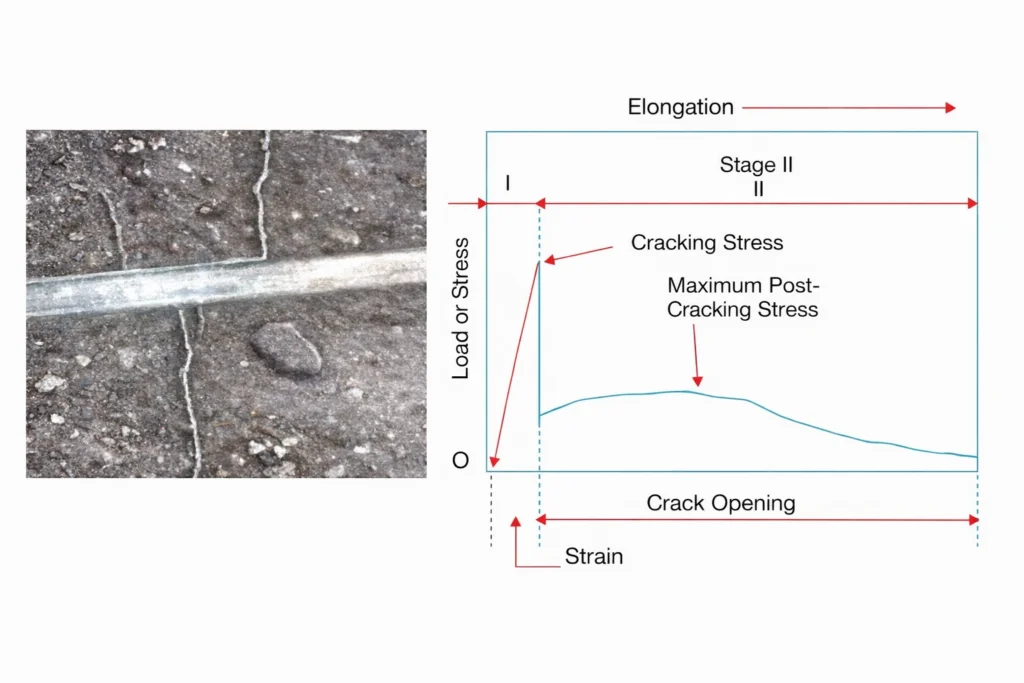
Polypropylene fiber-reinforced concrete is used to control cracking, improve toughness, support post-crack behavior, and solve specific durability or fire-related problems in concrete. The exact use depends on the fiber type. Micro polypropylene fibers are usually used for early-age crack control. Macro polypropylene fibers are usually used where the concrete needs better performance after cracking. ACI […]
What Are 5 Examples of Synthetic Fibers?
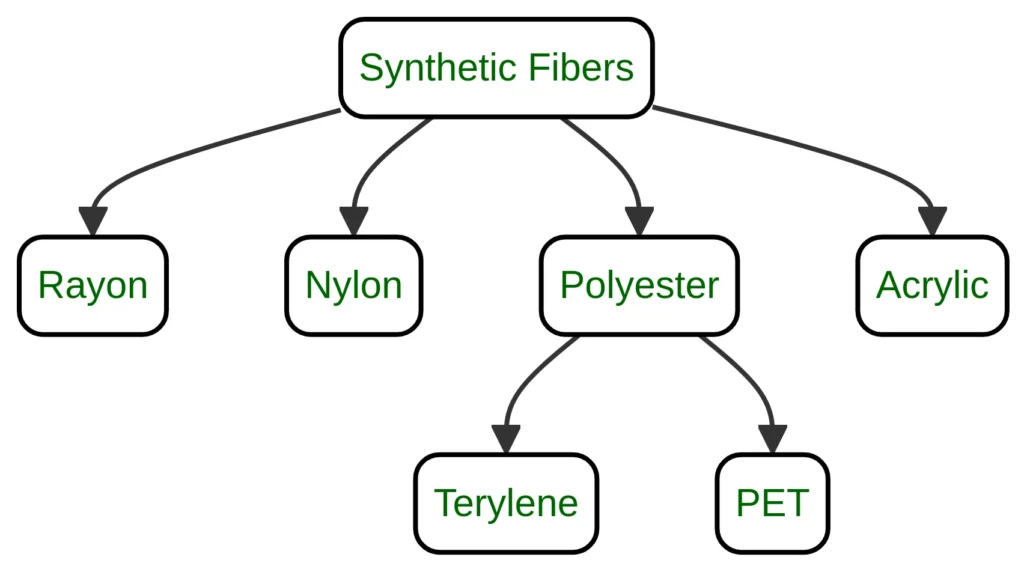
If someone asks for five examples of synthetic fibers, a clear and useful answer is this: nylon, polyester, acrylic, polypropylene, and aramid. These are all man-made fibers made from synthetic polymers, and each one has its own use and performance profile. Britannica explains that synthetic fibers are made from polymers that do not occur naturally, […]
What Is the Best Fiber for Concrete?
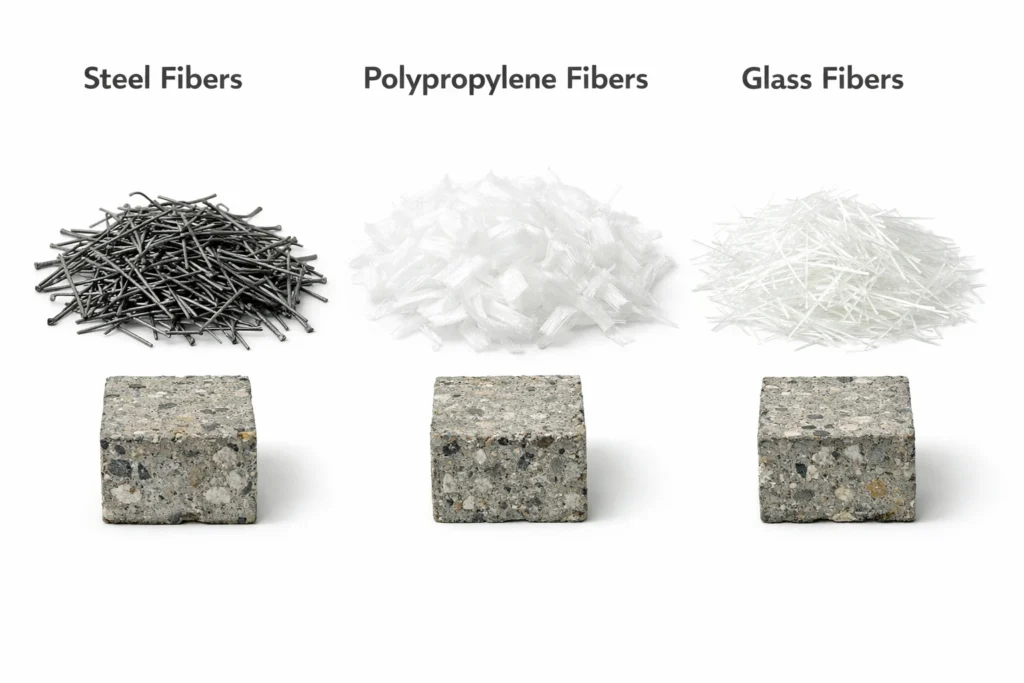
“Best” depends on the concrete problem, and the problem has to come first A contractor often asks, “What is the best fiber for concrete?” A spec writer also asks the same question. A buyer wants one answer because buying needs speed and clarity. A team still gets better results when the team asks one small […]