
What Are the Different Types of Polypropylene Fibers?
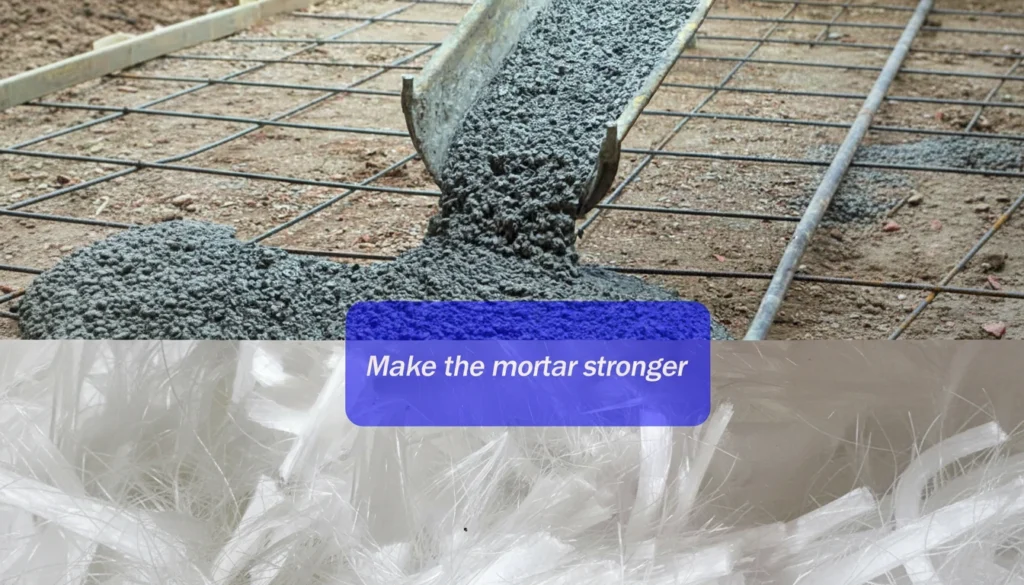
Why “types” matter when you buy polypropylene fibers A project team often says “PP fiber” as if it is one product. A project team still gets very different results from different fiber types. A slab team wants fewer early cracks on the surface. A tunnel team wants better behavior in a fire event. A precast […]
What Is Micro PP Fiber Concrete?
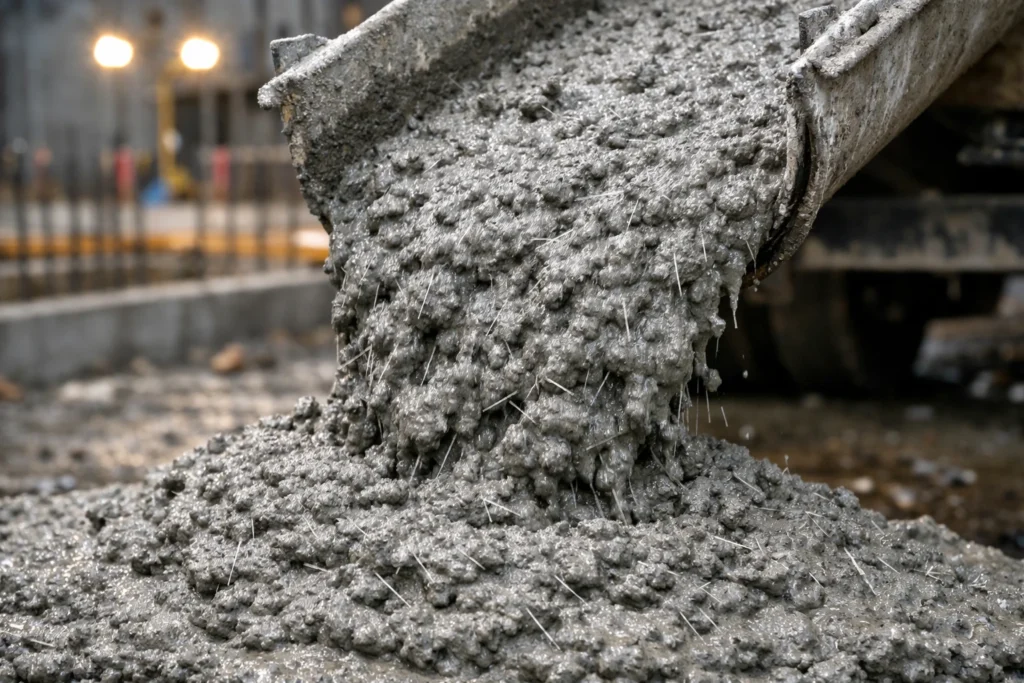
A clear definition that matches jobsite reality Micro PP fiber concrete is concrete that contains micro synthetic fibers made from polypropylene. A crew adds the fibers during mixing, and the crew spreads the fibers through the paste and aggregate. The word “micro” describes fiber size, and the word “PP” describes the polymer, and the word […]
Are Polypropylene Fibers Safe?
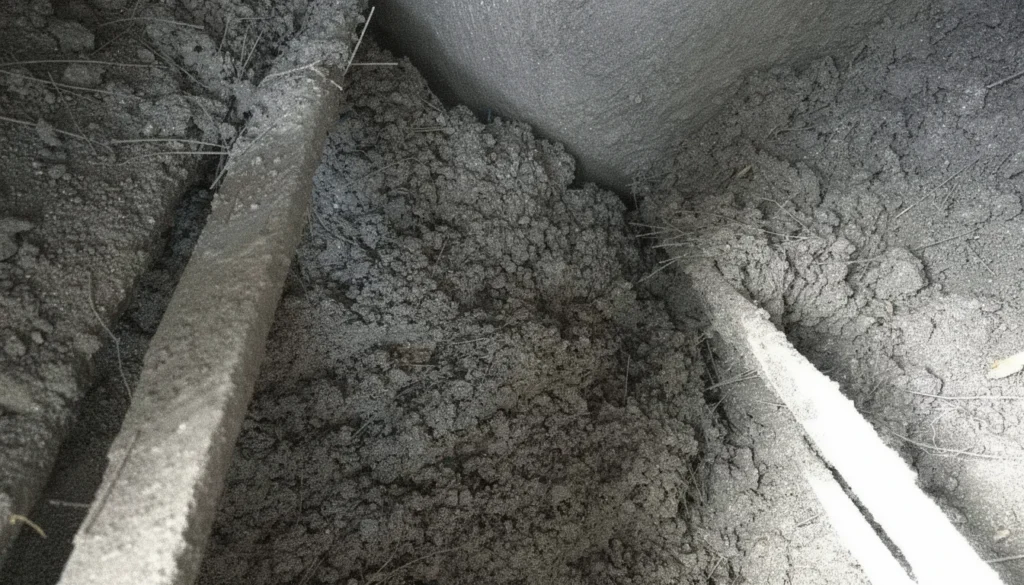
What People Mean When They Ask “Safe” People ask if polypropylene fibers are safe because these fibers touch many parts of a job. A buyer cares about health and risk and brand trust. A contractor cares about what workers breathe and touch. A spec writer cares about rules and long term behavior. A building owner […]
What is the difference between PP fiber and PVA fiber?

PP fiber (polypropylene) and PVA fiber (polyvinyl alcohol) are both synthetic fibers for cement-based materials. Each fiber solves a different problem. PP fiber is usually the first choice for early-age crack control. PP fiber is also widely used for fire spalling mitigation in dense concrete because PP melts at about 170°C, which helps release vapor […]
What is the use of steel fibre in concrete?

Steel fibre is used in concrete to control cracks and to make concrete behave less brittle after cracking. Steel fibres sit inside the mix as a distributed network. This gives the concrete some post-crack load capacity, especially in slabs and sprayed concrete. Many projects use steel fibre to reduce mesh handling time. Many projects use […]
What is the purpose of adding fiber to concrete?

Concrete cracks because concrete is weak in tension. Shrinkage creates stress. Temperature change creates stress. Loads create stress. Fibers help because fibers bridge small cracks. Fibers also spread stress across the mix. This is the main purpose of adding fiber to concrete. Fiber is not only one product. Fiber can be steel, glass, synthetic, or […]
Why Polypropylene Fibre Is Used In Concrete?
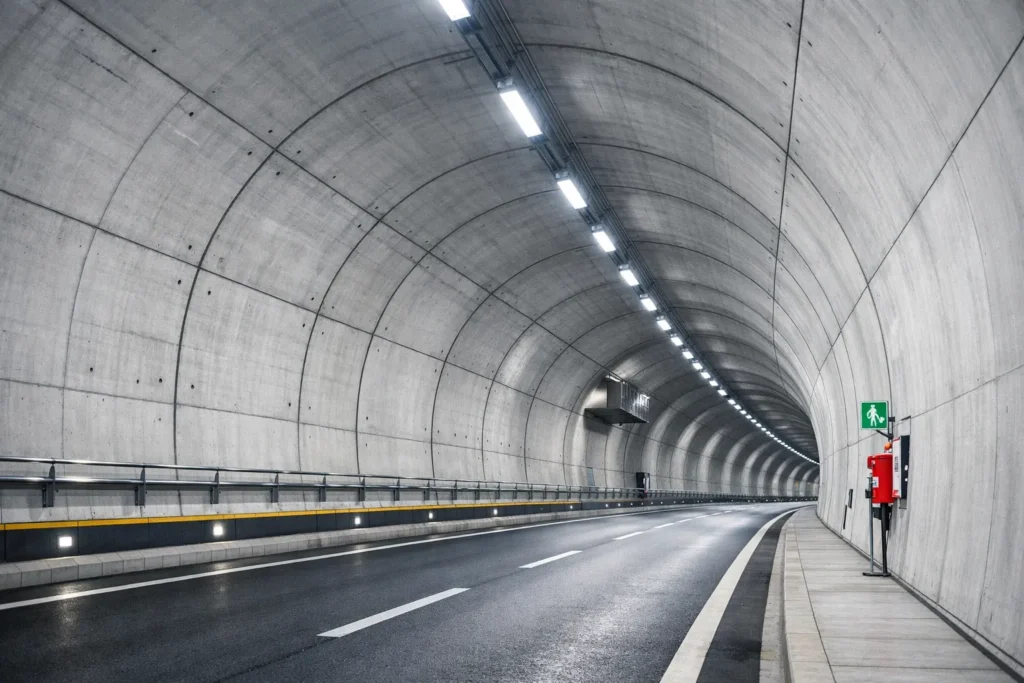
Concrete is strong in compression. Concrete is weak in tension. Cracks can appear early, sometimes within hours of placement. Cracks can also grow later under traffic, impact, or temperature movement. Polypropylene (PP) fibre is used because it reduces some of these risks with a simple step. The crew adds fibres during mixing. The fibres spread […]
What is polypropylene fiber used for?

Polypropylene (PP) fiber is used to improve performance in products that need durability, crack control, or lightweight strength. In construction, PP fiber is most common in concrete and mortar. It helps reduce early cracking. It can also improve toughness and impact resistance in the right form. Industry guidance highlights synthetic fibers for shrinkage crack reduction, […]
What is the effect of polypropylene fiber in concrete?
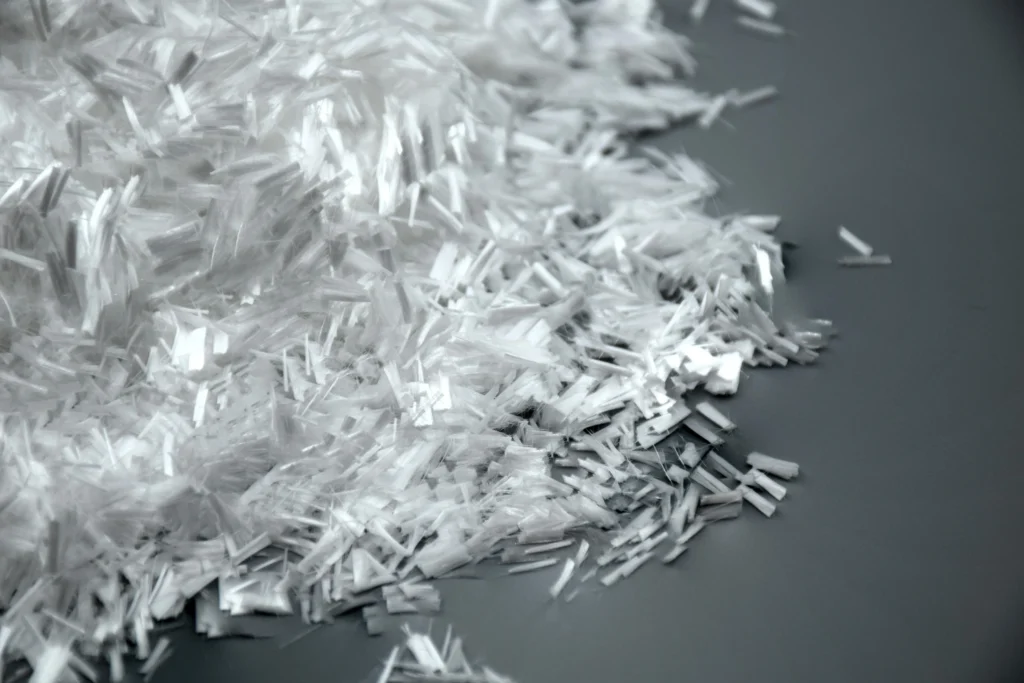
Polypropylene (PP) fiber is a synthetic fiber that you mix into fresh concrete. Its main effect is crack control, especially at early age. It also improves toughness and impact resistance in many mixes. It can improve cohesion during placement. At higher performance levels, it can also help reduce explosive spalling risk in fire, mainly in […]
Is fiber concrete better than regular concrete?

Fiber concrete can be better than regular concrete, but only when it solves the problem you actually have. Fiber concrete often gives better crack control. It can improve toughness after cracking. It can reduce impact damage in floors and pavements. Synthetic fibers are also widely used to reduce plastic and drying shrinkage cracking. They can […]