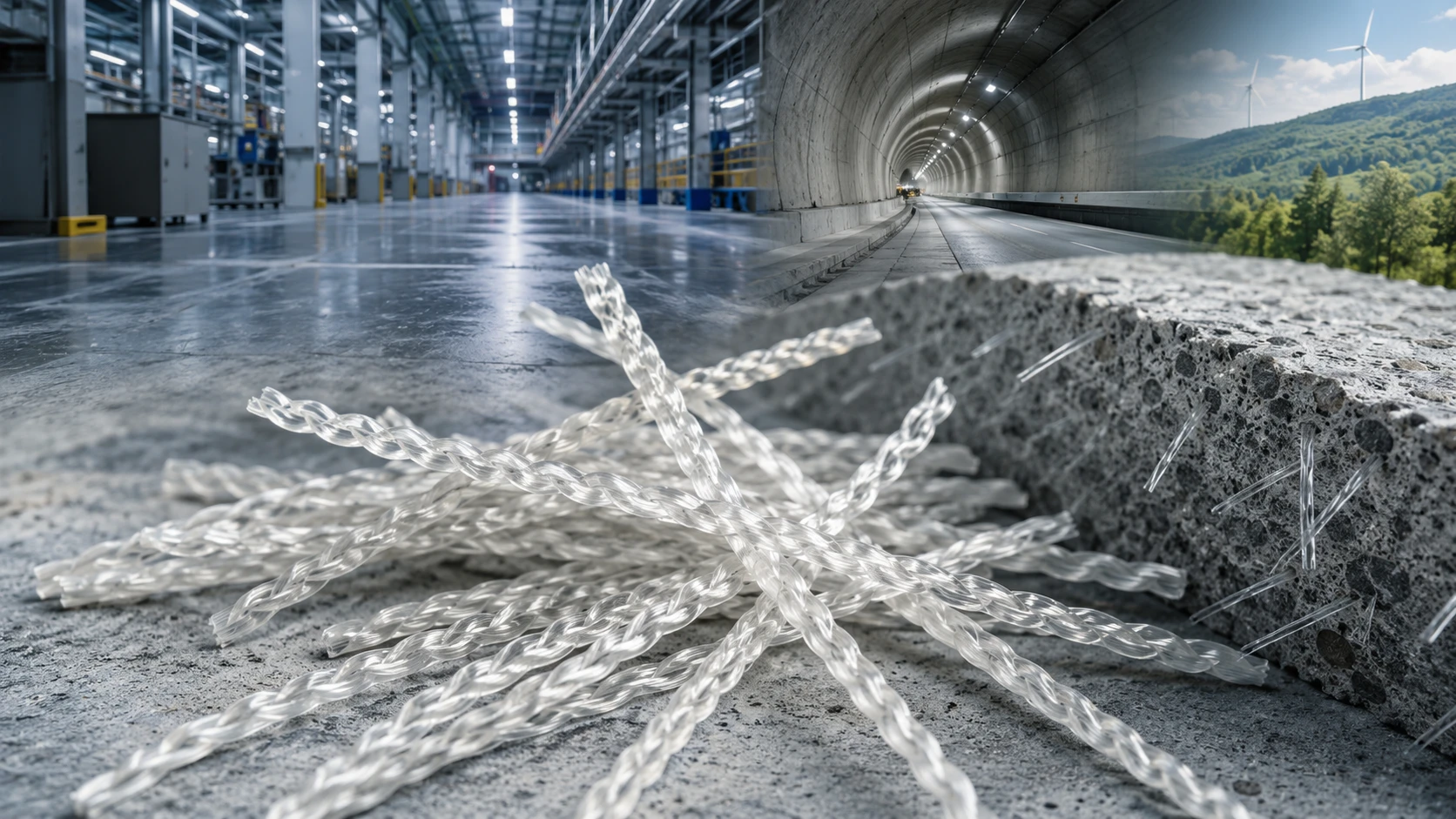
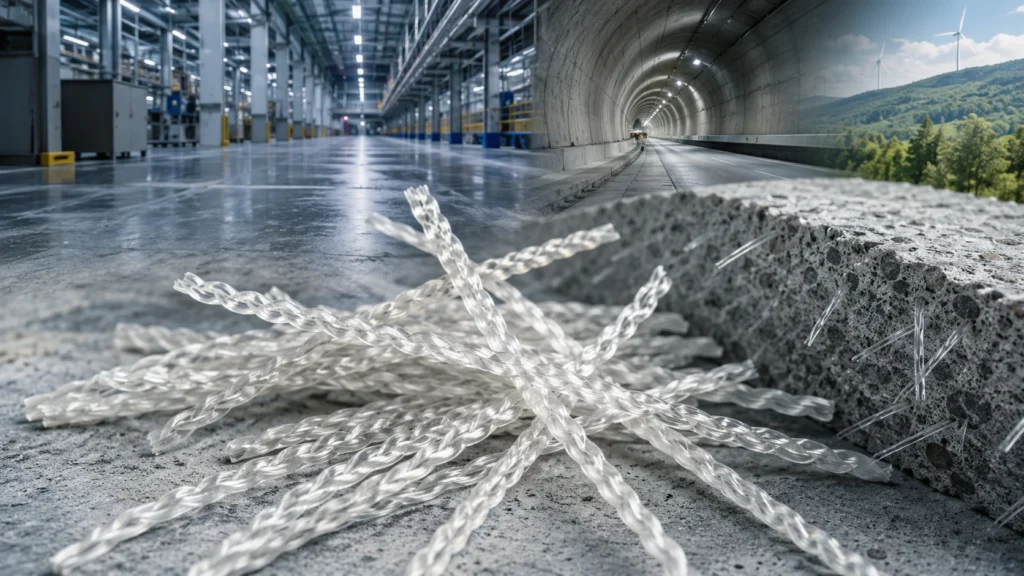
The construction industry is moving away from traditional steel mesh reinforcement toward fiber-based solutions. Among the options available, makro senteti̇k elyaf has become one of the fastest-growing product categories in concrete reinforcement. For distributors and dealers, this shift creates a real business opportunity. Projects that once relied on welded wire mesh or steel fiber are now specifying this fiber for slabs, shotcrete, and precast elements.
This guide covers what distributors need to know to evaluate, source, and sell macro synthetic fiber for concrete. It focuses on the practical side. You will learn which applications drive demand, what certifications your market requires, how to compare products from different manufacturers, and how to position this product alongside your existing concrete reinforcement line.
What makes macro synthetic fiber a distinct category
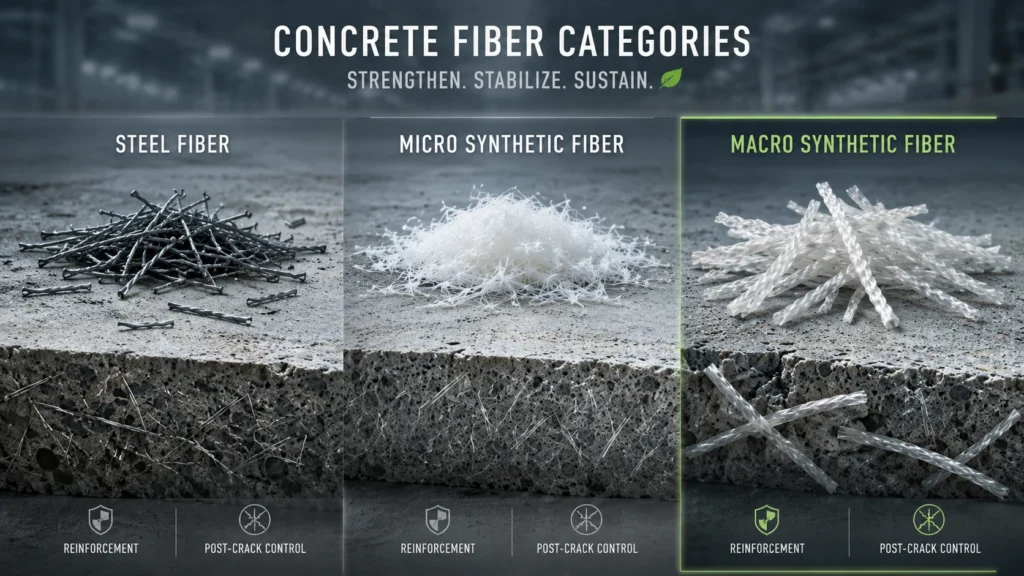
Concrete fiber reinforcement falls into three main groups: çelik elyaf, micro synthetic fiber, and macro synthetic fiber. Each works differently inside concrete, and each serves a different purpose.
Makro sentetik elyaf is defined by diameter. Any synthetic fiber with a diameter of 0.3 mm or larger qualifies as “macro” under both EN 14889-2 and ASTM D7508. Fibers below that threshold are classified as micro synthetic fiber.
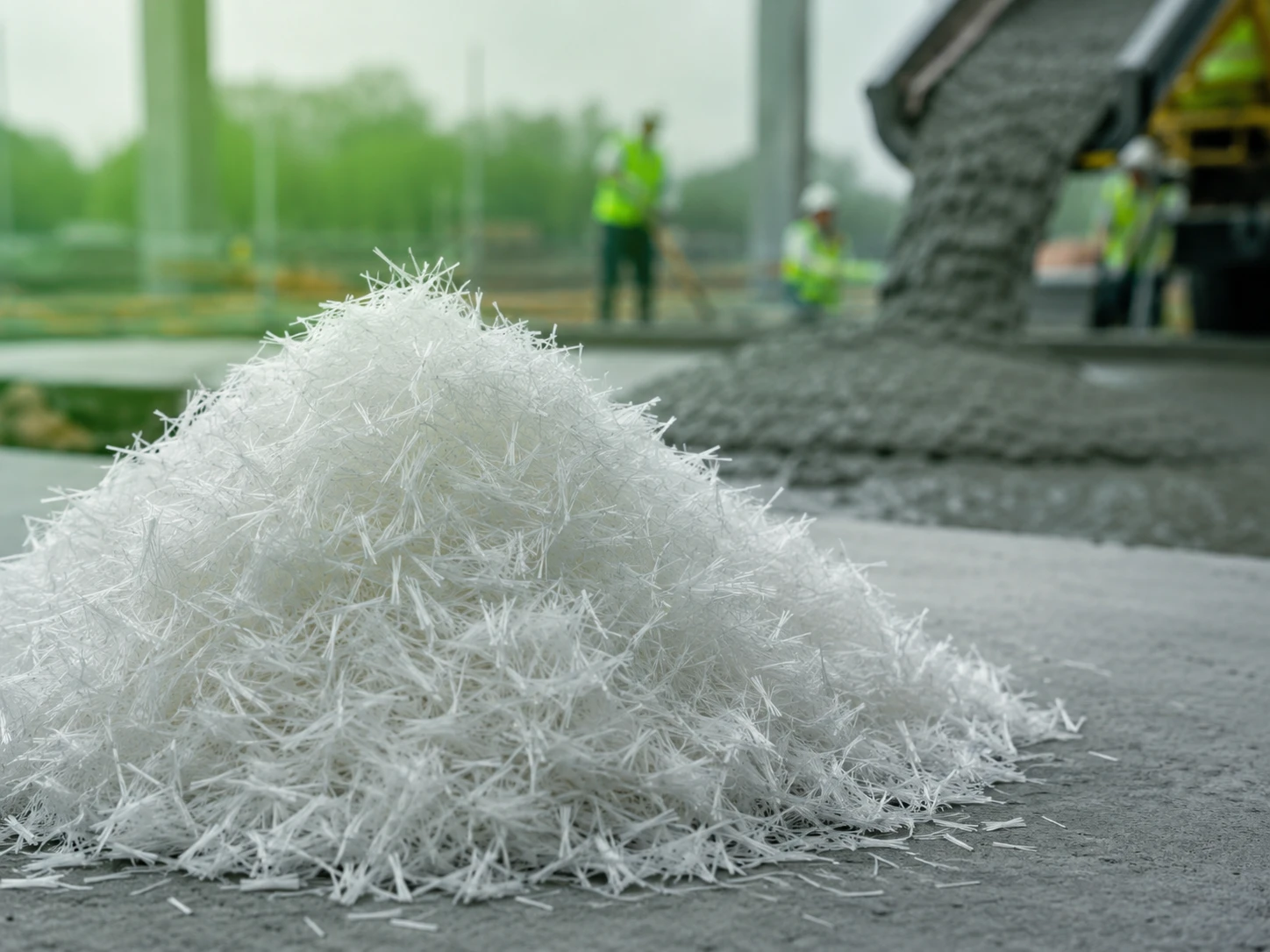
Most macro fiber on the market is made from polypropylene, though some products use polyolefin or polyethylene blends. The material choice matters less than the geometry and the mechanical properties. What matters for concrete performance is that the fiber is thick enough and long enough to bridge cracks after they form.
Micro synthetic fiber controls plastic shrinkage cracking in fresh concrete. It prevents surface cracks during the first few hours after placement. Macro fiber does something different. It provides post-crack reinforcement, meaning it holds concrete together after cracks have already formed. This is why engineers specify it as a structural component, not just a plastic shrinkage control additive.
Steel fiber also provides post-crack reinforcement, but through a different mechanism. Steel has higher tensile strength and stiffness. Macro synthetic fiber compensates with a much higher fiber count per kilogram, which distributes reinforcement more evenly through the concrete matrix. For a more detailed explanation of how this fiber works inside concrete, see our article on what macro synthetic fiber is and how it functions.
Applications that drive macro synthetic fiber sales
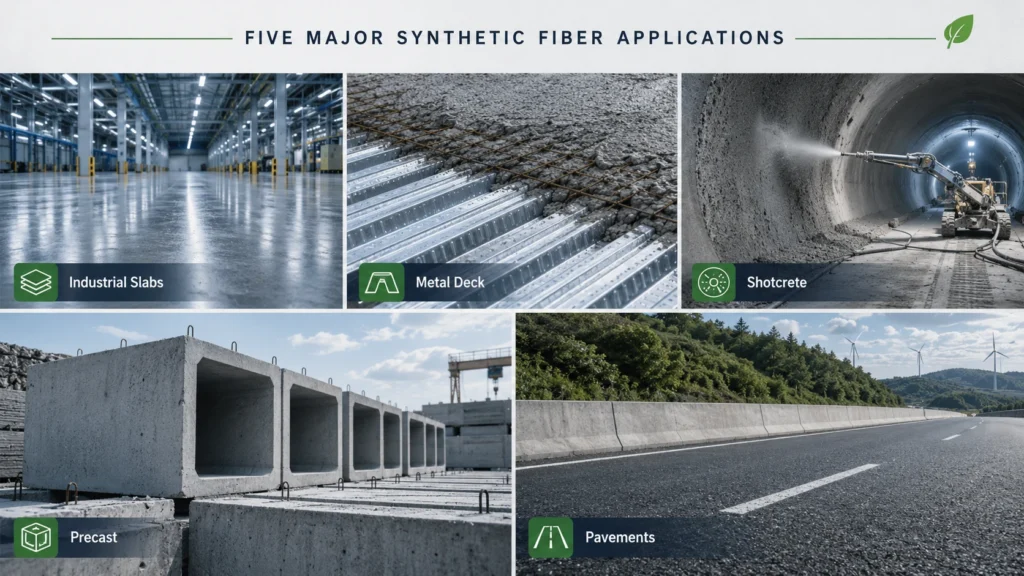
Understanding which applications use this fiber helps distributors target the right customers and stock the right products. The five macro synthetic fiber applications below account for the majority of global demand.
Industrial and warehouse floor slabs
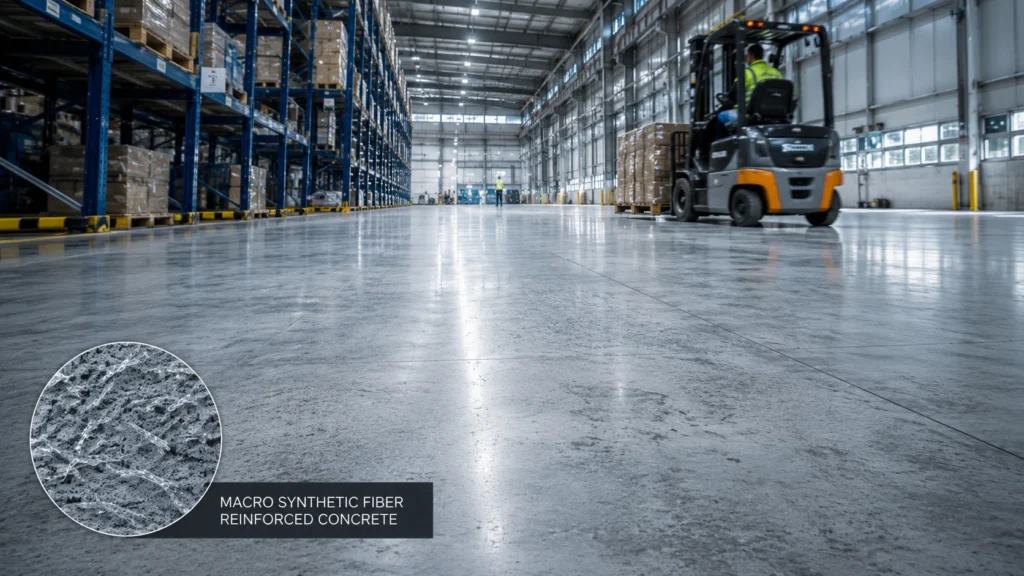
Industrial flooring is the largest application segment for this fiber worldwide. Warehouse floors, distribution centers, and manufacturing facilities need slabs that can withstand heavy forklift traffic, point loads from racking systems, and repeated stress cycles.
Macro synthetic fiber replaces welded wire mesh in slab-on-grade construction. Contractors prefer it because there is no mesh to place, tie, and lift. The fiber goes directly into the concrete mix, which saves labor time and reduces the risk of mesh placement errors.
For distributors, industrial flooring contractors are the most accessible customer segment. They buy in consistent volumes, and the specification process is well established. Most projects reference ASTM C1116 or EN 14889-2 with a target residual strength value.
Composite metal deck slabs
Composite metal deck construction is common in North America and parts of Europe. The concrete is poured onto corrugated steel decking, and the deck acts as both formwork and tensile reinforcement.
The Steel Deck Institute (SDI) ANSI standard specifies that fiber-reinforced concrete used in composite deck slabs must contain a minimum of 2.4 kg/m³ of macro synthetic fiber. This gives distributors a clear specification to quote against. When a project uses composite metal deck, the fiber dosage is already determined by the standard.
Distributors serving commercial construction markets should stock products specifically rated for composite deck applications. The product data sheet must reference ASTM C1116 Type III compliance and state the recommended macro synthetic fiber dosage for SDI-compliant decks.
Shotcrete and tunnel linings
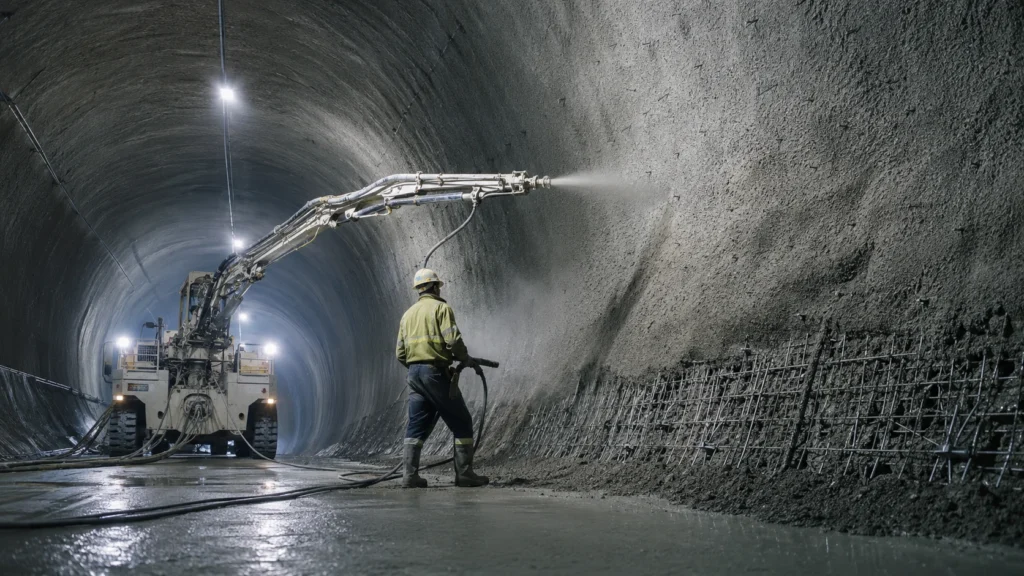
Shotcrete applications represent a high-value segment for this fiber. In mining and tunneling, shotcrete is sprayed onto rock surfaces to provide immediate support. Macro synthetic fiber is preferred over steel fiber in many of these applications for a practical reason: steel fibers can protrude from the shotcrete surface and create safety hazards for workers.
The Middle East has significant tunneling and infrastructure projects underway, and many of these projects specify this fiber for shotcrete. Distributors in that region should focus on products with EN 14889-2 Class II certification, which covers structural use.
Shotcrete contractors typically buy in bulk and need reliable supply chains. This makes them strong repeat customers for distributors who can guarantee stock availability and fast delivery.
Prekast beton elemanlar
Precast concrete is a smaller segment for this fiber, but it offers higher margins. Precast manufacturers produce elements like panels, beams, and pipes in factory conditions. Fiber reinforcement helps reduce handling damage during transport and installation.
Precast manufacturers also value fiber reinforcement because it eliminates the need to place and tie reinforcement mesh inside tight molds. This speeds up production and reduces labor costs.
For distributors, precast customers often need technical support. They want to see test data, mixing procedures, and finishing recommendations specific to their production setup. Distributors who can provide this support win repeat business. For specific guidance on how polypropylene fiber works in precast applications, see our article on PP fiber reinforced concrete.
Pavements and hardstandings
Airport hardstandings, container yards, parking areas, and industrial pavements use this fiber as an alternative to steel fiber. In these applications, the fiber provides crack control and improves load-bearing capacity over subgrade soils.
Macro synthetic fiber competes directly with steel fiber in this segment. The choice often comes down to project specifications and contractor preference. Distributors who carry both products can offer customers a side-by-side comparison based on the specific project requirements.
Pavement projects tend to use higher fiber dosages (4–9 kg/m³), which means larger order volumes per project. For data on how polypropylene fiber performs in concrete under load, see our article on the effect of polypropylene fiber in concrete.
Specification and certification you need to understand
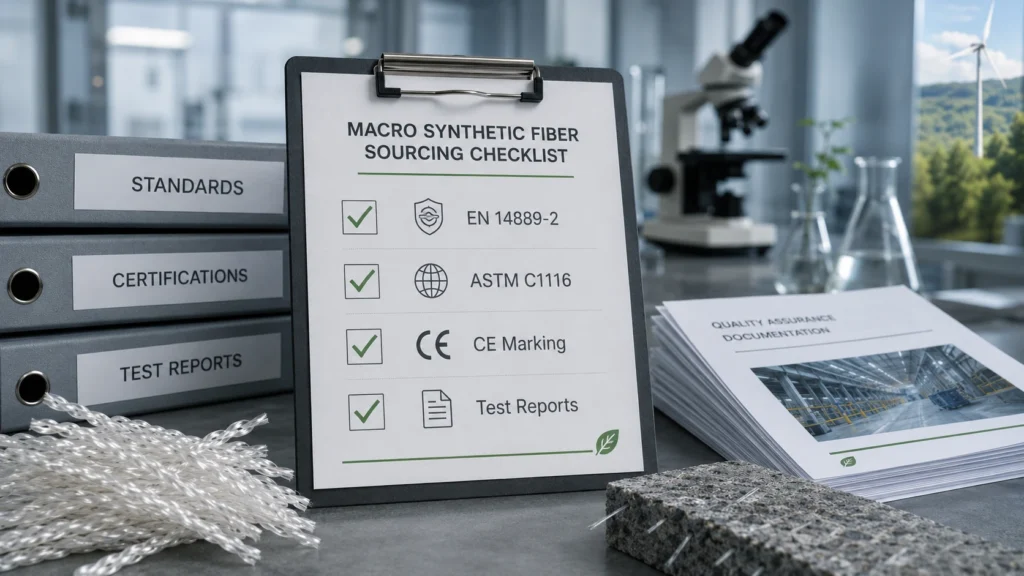
Certification requirements vary by region. Selling non-compliant product into a regulated market can result in project rejection, liability claims, and damaged relationships with customers. Distributors must understand which standards apply to their target markets and verify compliance before they buy from any macro synthetic fiber manufacturer.
EN 14889-2: the standard for EU, UK, and Middle East markets
EN 14889-2 is the European standard that covers polymer fibers for concrete. It divides synthetic fibers into two classes:
- Class I: Non-structural use. These fibers control plastic shrinkage cracking only. They do not provide post-crack reinforcement.
- Class II: Structural use. These fibers provide post-crack reinforcement and can be used as part of the structural design.
Macro synthetic fiber for concrete reinforcement must carry Sınıf II certification. Class I products are micro synthetic fibers and cannot replace steel reinforcement in structural applications.
Under the Construction Products Regulation (CPR), this fiber sold in the European Economic Area must carry a CE mark. The CE marking process involves two certification systems:
- System 1: The most rigorous. A notified body conducts factory production control audits and issues the certificate of conformity. Required for structural applications.
- System 3: Less rigorous. A notified body performs initial type testing, but ongoing factory audits are not required.
AB, İngiltere veya Orta Doğu pazarlarına satış yapan distribütörler tedarikçilerinden Sistem 1 sertifikası talep etmelidir. Birçok Orta Doğu projesi EN 14889-2'yi referans almaktadır çünkü Körfez ülkelerinin inşaat standartları Avrupa normlarına uygundur.
ASTM C1116 Tip III: Kuzey Amerika pazarları için standart
ASTM C1116, elyaf takviyeli beton için Amerikan standardıdır. Üç fiber tipi tanımlar:
- Tip I: Çelik elyaf
- Tip II: Cam elyaf
- Tip III: Sentetik elyaf
Makro sentetik elyaf ürünleri ASTM C1116 Tip III ile uyumlu olmalıdır. Kuzey Amerika'daki şartname hazırlayıcılar, ASTM C1609'a göre test edilmiş bir hedef kalıntı mukavemet değeri ile birlikte proje belgelerinde bu makro sentetik elyaf spesifikasyonuna atıfta bulunurlar.
ASTM C1609 fiber takviyeli betonun eğilme performansını ölçer. Mühendislerin döşeme kalınlıklarını ve lif dozajlarını tasarlamak için kullandıkları belirli sapma noktalarındaki artık mukavemeti rapor eder. Distribütörler, tedarikçilerinin ASTM C1609 veya eşdeğer bir test yönteminden test verileri sağladığından emin olmalıdır.
Distribütörlerin ürün belgelerinde doğrulaması gerekenler
Distribütörler, herhangi bir üreticiden tedarik yapmadan önce aşağıdakileri doğrulamalıdır:
- Bağımsız test raporları. Üreticinin ürettiği test verileri yeterli değildir. Akredite üçüncü taraf laboratuvarlardan alınan raporlara bakın.
- Çekme mukavemeti ve elastisite modülü değerleri. Bu özellikler elyafın yük altında nasıl performans göstereceğini belirler. Bunları EN 14889-2 veya ASTM D7508'de belirtilen minimum değerlerle karşılaştırın.
- Fiber geometri verileri. Uzunluk, çap ve en-boy oranı üreticinin belirttiği değerlere uygun olmalıdır. Belirtilenden daha kısa veya daha ince fiberler beklenen performansı sağlamayacaktır.
- Parti tutarlılığı dokümantasyonu. Güvenilir üreticiler üretim tutarlılıklarını takip eder ve mekanik özelliklerin partiden partiye istikrarlı olduğunu gösteren veriler sağlayabilir.
- Üçüncü taraf sertifika logoları. CE işareti, ISO 9001 sertifikası ve ilgili ulusal sertifika işaretlerini arayın.
Makro sentetik elyafa karşı çelik elyaf: distribütörlerin bilmesi gerekenler
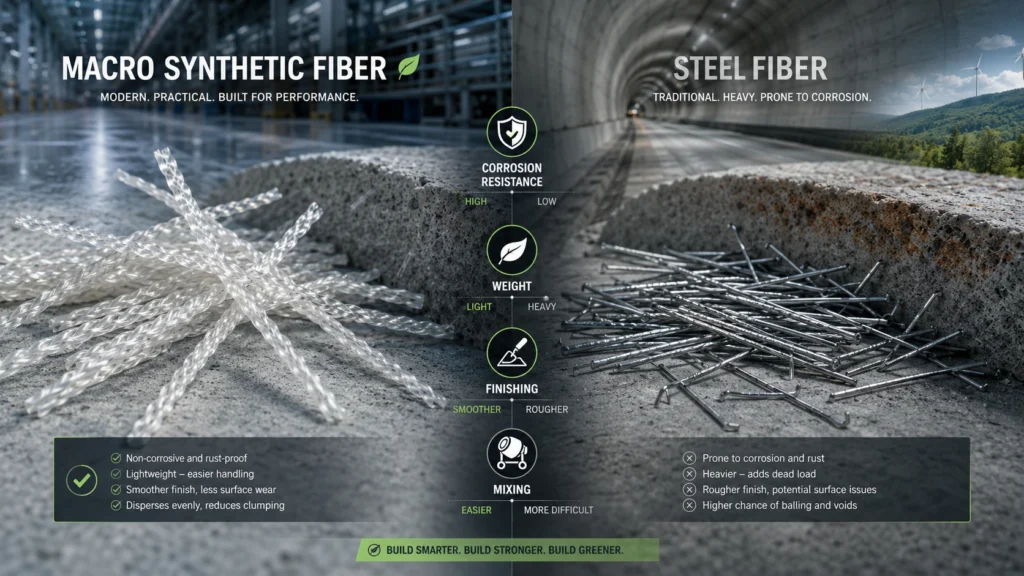
Beton güçlendirme ürünleri taşıyan distribütörler, makro sentetik elyafın çelik elyafla karşılaştırılması konusunda müşterilerden sorular alacaktır. Pratik farklılıkları anlamak, müşterilere tavsiyelerde bulunmanıza ve satışları kapatmanıza yardımcı olur.
Bu fiberin avantajlı olduğu yerler
Korozyon direnci en çok atıfta bulunulan avantajdır. Çelik elyaf, özellikle deniz yapıları, kimyasal tesisler veya buz çözücü tuzlara maruz kalan yollar gibi agresif ortamlarda beton içinde korozyona uğrayabilir. Makro sentetik elyaf korozyona uğramaz. Bu da onu korozif ortamlarda uzun süreli dayanıklılığın öncelikli olduğu projeler için daha iyi bir seçim haline getirir.
Daha düşük ağırlık lojistiği basitleştirir. Bu elyaf, eşdeğer dozajlarda metreküp beton başına çelik elyafın yaklaşık dokuzda biri ağırlığındadır. Bu, daha düşük nakliye maliyetleri, daha kolay depo depolaması ve ürünü sahada işleyen işçiler üzerinde daha az fiziksel baskı anlamına gelir.
Bitiş müdahalesi yok. Çelik lifler beton yüzeyinden çıkıntı yaparak taşlama veya kaplama gerektiren pürüzlü bir yüzey oluşturabilir. Makro sentetik elyaf bu soruna neden olmaz. Elyaf uçları mala basıncı altında erir ve bitmiş yüzeyde görünmez hale gelir. Bu, zemin düzlüğü spesifikasyonlarının katı olduğu projeler için önemlidir.
Daha kolay karıştırma ve pompalama. Bu elyaf mikserde çelik elyaftan daha hızlı dağılır ve çelik elyafın bazen yarattığı toplanma sorunlarına neden olmaz. Ayrıca, püskürtme beton ve yüksek katlı beton pompalama için önemli olan pompa basıncı üzerinde daha az etkiye sahiptir.
Çelik elyafın hala bir rolü olduğu yerler
Yüksek sıcaklık direnci. Polipropilen yaklaşık 160°C'de erir. Çelik erimez. Betonun sürekli yüksek sıcaklıklara maruz kalabileceği uygulamalarda (fırın temelleri, refrakter astarlar, yangına dayanıklı yapılar), çelik elyaf daha güvenli bir seçimdir.
Ağır darbe ve patlama yüklemesi. Çelik elyaf daha yüksek gerilme mukavemetine ve elastikiyet modülüne sahiptir. Aşırı dinamik yükler içeren uygulamalar için (askeri yapılar, patlamaya dayanıklı duvarlar, ağır endüstriyel darbe bölgeleri), çelik elyaf genellikle sentetik alternatiflerden daha iyi performans gösterir.
Köklü geçmiş performans. Çelik fiber 50 yılı aşkın bir süredir betonda kullanılmaktadır. Bazı şartname hazırlayıcıları ve mühendisler, uzun vadeli performans verilerine daha fazla güvendikleri için hala bunu tercih etmektedir. Daha fazla proje servis kayıtlarını biriktirdikçe bu durum değişiyor, ancak bazı pazarlarda bu algı devam ediyor.
Anahtarlama eğilimi
Onlarca yıldır çelik elyaf kullanılan projeler artık sentetik alternatifi tercih ediyor. Bunun nedenleri teorik değil pratiktir. Yükleniciler daha hızlı yerleştirme süreleri bildiriyor. Proje sahipleri korozif ortamlarda daha düşük bakım maliyetleri bildiriyor. Hazır karışım üreticileri daha az karıştırma ve pompalama sorunu bildiriyor.
Distribütörler için bu eğilim, halihazırda çelik elyaf satın alan müşterilerin potansiyel dönüşümcü olduğu anlamına geliyor. Önemli olan, makro sentetik elyaf ile çelik elyafı her uygulamada genel bir değişim olarak değil, projeye özel bir karar olarak konumlandırmaktır.
Çelik elyaf türleri ve uygulamaları hakkında ayrıntılı bilgi için farklı çelik elyaf türleri hakkındaki makalemize bakın.
Satın almadan önce makro sentetik elyaf kalitesini nasıl değerlendirirsiniz?
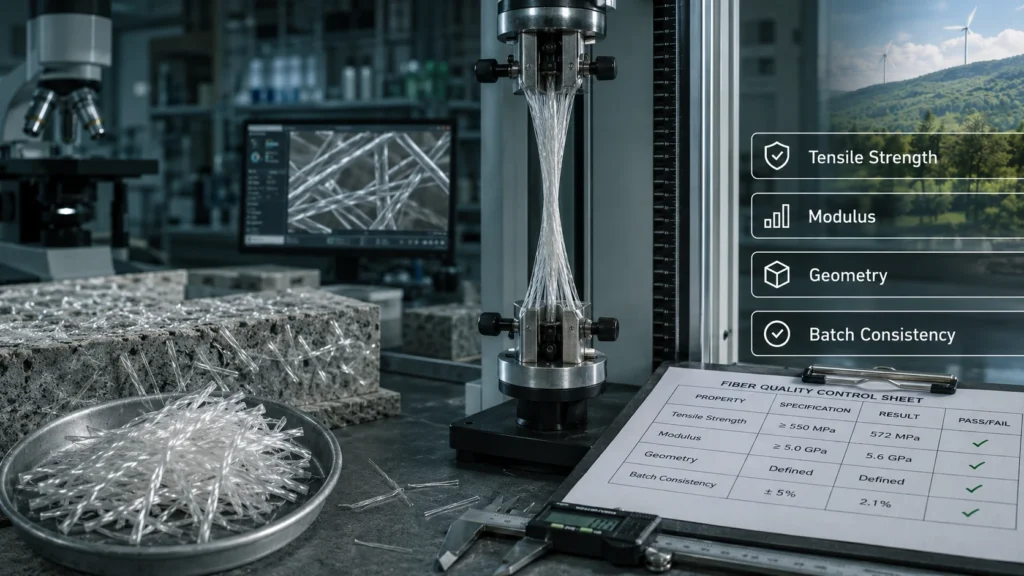
Kalite, üreticiler arasında önemli farklılıklar gösterir. Bazıları uluslararası standartları karşılayan tutarlı, iyi belgelenmiş ürünler üretir. Diğerleri ise hammaddeden kısar, bağımsız testleri atlar veya destekleyemeyecekleri performans iddialarında bulunurlar. Düşük kaliteli elyaf tedarik eden distribütörler proje başarısızlıkları, müşteri şikayetleri ve yasal sorumluluk riskiyle karşı karşıyadır.
Önemli olan malzeme özellikleri
Makro sentetik elyafın betonda nasıl bir performans göstereceğini üç özellik belirler:
- Çekme mukavemeti. Bu, elyafın kırılmadan önce dayanabileceği maksimum gerilimdir. EN 14889-2 ve ASTM D7508 minimum gerilme mukavemeti gereksinimlerini belirtir. Bir üretici, ürünlerinin bu minimum değerleri karşıladığını gösteren test verileri sağlayamıyorsa, onlardan satın almayın.
- Elastikiyet modülü. Bu, elyaf sertliğini ölçer. Daha yüksek bir modül, elyafın yük altında gerilmeye karşı dirençli olduğu anlamına gelir ve bu da daha iyi çatlak köprüleme performansı anlamına gelir. Polipropilen makro elyaf tipik olarak 3-8 GPa'lık bir modüle sahiptir. Ürünleri değerlendirirken bunu üreticiler arasında karşılaştırın.
- Fiber geometry. Length, diameter, and surface texture all affect performance. Embossed or twisted fibers grip the concrete matrix better than smooth fibers. Longer fibers bridge wider cracks but may be harder to disperse evenly. The manufacturer should specify exact dimensions and surface treatment.
Red flags when evaluating a manufacturer
Watch for these warning signs:
- No independent test reports available. If a manufacturer only provides their own in-house data, that is a red flag.
- Cannot produce EN 14889-2 or ASTM C1116 compliance documentation. Without these, the product cannot be specified on regulated projects.
- Vague marketing claims without supporting data. Statements like “equivalent to steel fiber” or “outperforms all alternatives” mean nothing without test results.
- No batch-to-batch consistency records. Variable quality between production runs causes unpredictable concrete performance.
- Unwillingness to provide sample quantities for testing. Reliable manufacturers want you to test their product before you commit to a purchase.
What a reliable supplier provides
A manufacturer worth working with will give you:
- Full technical data sheets with references to specific test methods (ASTM C1609, EN 14651, or equivalent)
- Independent laboratory test reports from accredited facilities
- Project references and case studies showing real-world application
- Responsive technical support for dosage calculations and mix design questions
- Consistent product availability and reasonable lead times
For a detailed framework on evaluating macro PP fiber manufacturers, see our guide on how to choose a macro PP fiber manufacturer.
Regional market overview: where the demand is
Demand for this fiber varies by region. The standards, customer expectations, and competitive dynamics differ enough that distributors need to adjust their approach for each market.
North America
The North American market is ASTM-driven. Specifiers reference ASTM C1116 and ASTM C1609 in project documents. The market is growing, driven by commercial flooring and composite metal deck construction.
Sika ve Euclid Chemical dominate the premium segment. They have strong brand recognition and established relationships with specifiers. Chinese manufacturers, including Ecocretefiber, compete on price and are gaining market share, particularly among distributors who serve the mid-market.
Distributors entering the North American market should focus on products with full ASTM compliance documentation and competitive pricing relative to Sika and Euclid Chemical products. Technical support in English is essential.
Europe and UK
EN 14889-2 governs the European market. CE marking is mandatory for structural applications (Class II). The UK follows the same standard post-Brexit, though some specifiers reference both EN and BS standards.
Environmental regulations in Europe favor synthetic fiber over steel fiber. The carbon footprint of polypropylene fiber production is lower than steel fiber production, and some project specifications now include embodied carbon requirements.
BarChip, Sika, and several European brands lead the market. Chinese imports compete primarily on price. Distributors should ensure that any product they source carries CE marking with System 1 certification, as this is what most specifiers require.
Middle East
The Middle East is one of the fastest-growing markets for this product. Massive infrastructure investment in the Gulf states has created strong demand for concrete reinforcement products. Tunneling, shotcrete, and industrial flooring projects all specify macro synthetic fiber.
EN 14889-2 is the dominant standard, reflecting the influence of European engineering consultants who design many of the region’s major projects. CE marking is widely expected, and projects often require System 1 certification.
Certification sensitivity is high in this market. Distributors who cannot provide complete certification documentation will struggle to win project approvals. At the same time, the volume opportunity is significant for distributors who get it right.
Southeast Asia
Southeast Asia presents a mixed standards environment. Some projects reference ASTM standards, others reference EN standards, and some use local national standards. This creates complexity for distributors, but also opportunity.
The market is price-sensitive. Construction budgets are tight, and customers compare products primarily on cost per kilogram. However, quality awareness is rising, especially among international contractors working on large infrastructure projects.
Distributors in Southeast Asia should carry products that can meet both ASTM and EN requirements. This maximizes the number of projects you can quote on. Stocking a single product that satisfies both standards simplifies inventory management.
Positioning macro synthetic fiber in your product line
Adding this product to an existing concrete reinforcement line takes more than just listing it in your catalog. Distributors who add it without a strategy will struggle to generate sales.
Target customer segments
Focus on three customer types:
- Ready-mix concrete suppliers. They add fiber at the batch plant and deliver fiber-reinforced concrete to project sites. They buy in bulk and value consistent supply and clear mixing instructions.
- Slab contractors and flooring specialists. These contractors place concrete on the ground and are the most common end users of this fiber. They need dosage guidance and finishing recommendations.
- Shotcrete and mining contractors. They use the fiber in sprayed concrete applications. They need products with proven performance in high-velocity spray equipment.
Handling common customer objections
Customers who have never used this fiber will raise objections. Here are the most common ones and how to address them:
“Is macro synthetic fiber as strong as steel fiber?” Not in absolute tensile strength, but the higher fiber count per kilogram means more reinforcement points per cubic meter. For most slab and shotcrete applications, it provides equivalent or better performance at a comparable or lower cost per cubic meter of concrete.
“Will it work in my mix design?” This fiber is compatible with standard concrete mix designs. Macro synthetic fiber dosage typically ranges from 1.8 to 9.0 kg/m³ depending on the application. The manufacturer should provide mix design guidance.
“What about finishing?” The fiber does not cause surface protrusion like steel fiber. Under normal trowel finishing, the fiber ends blend into the surface. This is one of the main reasons contractors switch from steel fiber.
Complementary products to cross-sell
Distributors who carry this product should also consider stocking these related products:
- Mikro sentetik elyaf for plastic shrinkage control. Many projects use both macro and micro fiber together.
- Çelik elyaf for applications where high modulus or high-temperature resistance is required. Carrying both products lets you serve a wider range of project specifications.
- Hybrid fiber blends that combine macro and micro synthetic fiber in a single bag. These are growing in popularity because they simplify dosing and mixing on site.
For broader guidance on building a polypropylene fiber distribution business, see our PP fiber distributor guide.
Sonuç
Macro synthetic fiber is one of the fastest-growing segments in concrete reinforcement. Demand is driven by the shift from welded wire mesh to fiber reinforcement, infrastructure investment in developing markets, and contractor preference for products that simplify the construction process. Distributors who understand the key applications, certification requirements, and quality evaluation criteria are positioned to capture market share. Start with your strongest regional market, source from manufacturers with proper certification and independent test data, and build technical support capabilities that differentiate you from competitors who simply sell on price.
Ecocretefiber supplies this fiber to distributors across North America, Europe, the Middle East, and Southeast Asia. Shandong Jianbang Kimyasal Elyaf Co, Ltd. manufactures all products with EN 14889-2 and ASTM C1116 compliance documentation and provides dosage guidance, technical data sheets, and project support to distributor partners.