
Is fiber-reinforced concrete better than rebar?
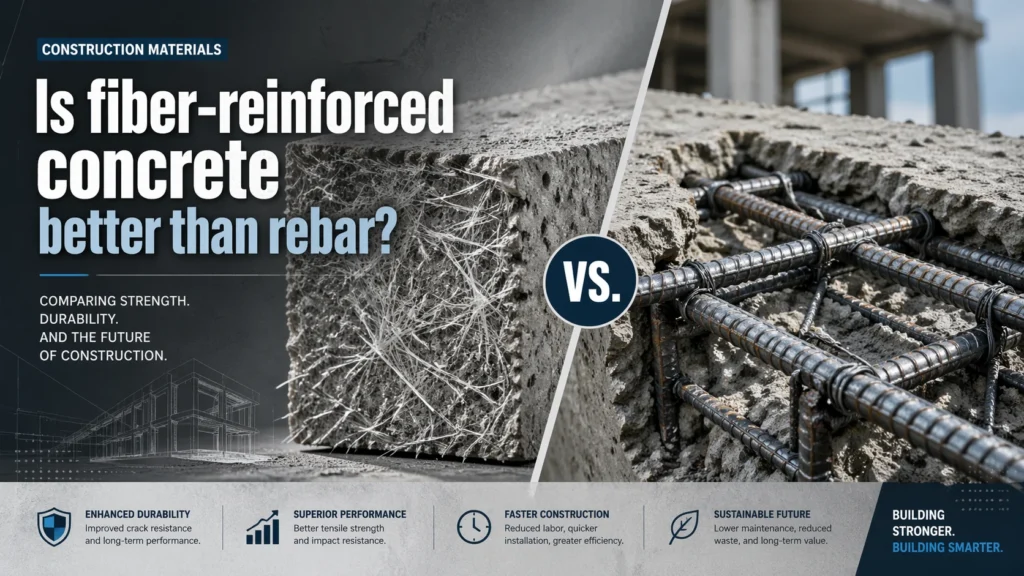
Fiber-reinforced concrete is not simply better than rebar, and rebar is not simply better than fiber-reinforced concrete. They do different jobs. In the clearest engineering sense, rebar is still the better choice for continuous primary tension reinforcement in many beams, walls, columns, and suspended slabs, because ACI explains that reinforcement is used to provide additional […]
What is fibre reinforced concrete?
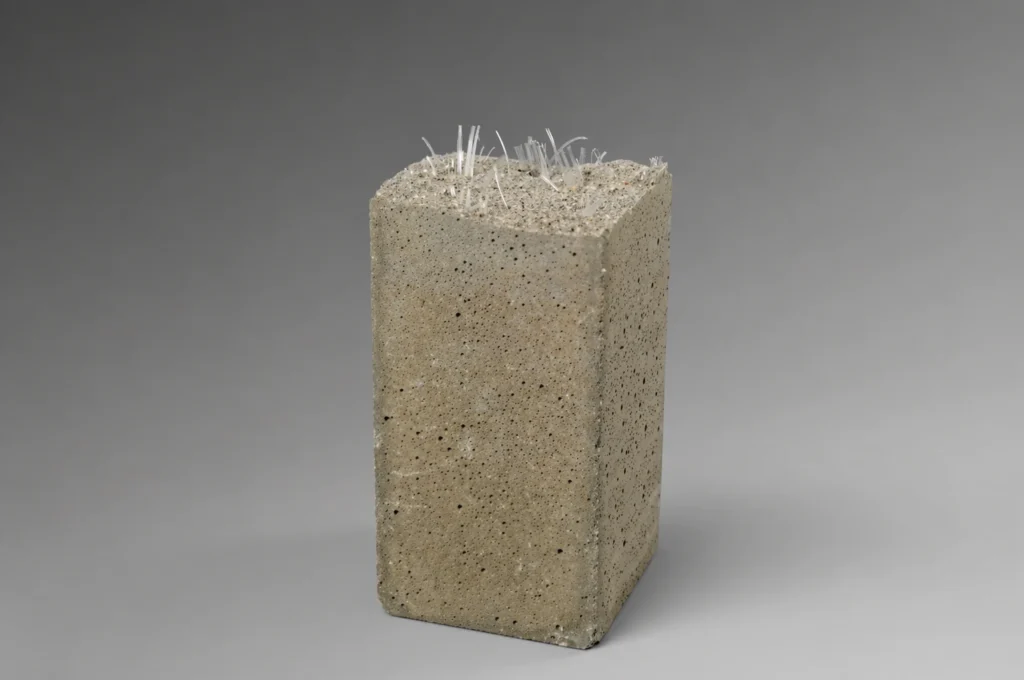
Fibre reinforced concrete, often shortened to FRC, is concrete made with cement, aggregates, and discrete reinforcing fibres mixed through the material. ACI defines fibre reinforced concrete as concrete made mainly of hydraulic cements, aggregates, and discrete reinforcing fibres. ASTM C1116 also treats it as concrete delivered with the ingredients uniformly mixed, and it classifies it […]
What is concrete fiber siding?
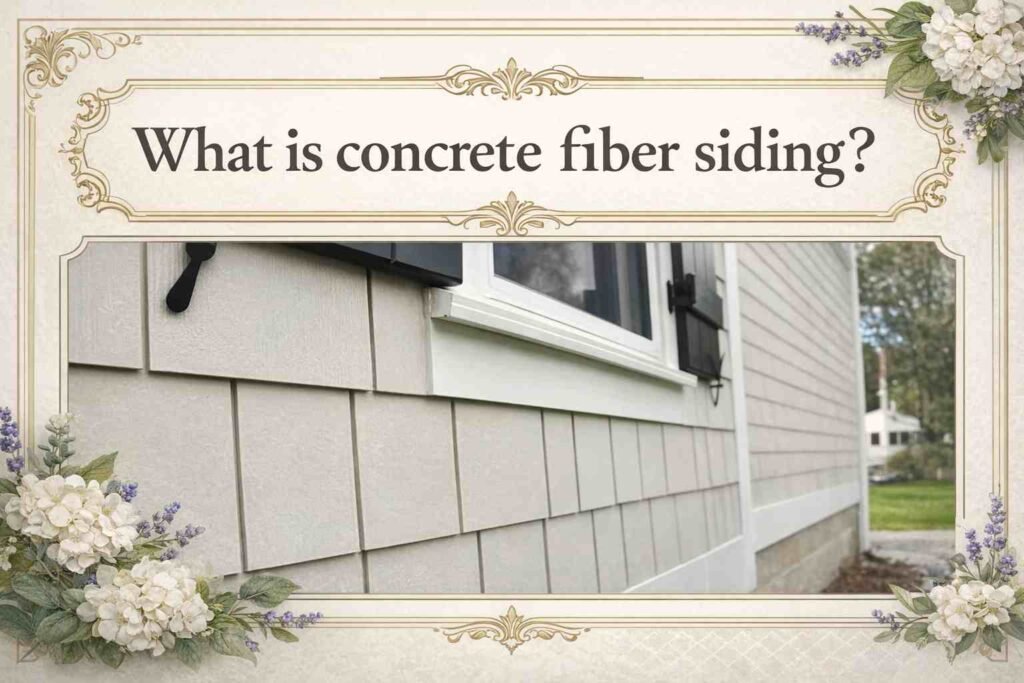
When people ask “What is concrete fiber siding?”, they usually mean fiber cement siding. That is the formal industry name you will see in standards, code documents, and product sheets. ASTM C1186 calls it fiber-cement flat sheets for exterior uses such as wall claddings, facades, curtain walls, and soffits. Product literature from major manufacturers uses […]
Can Fiberglass Be Used to Reinforce Concrete?
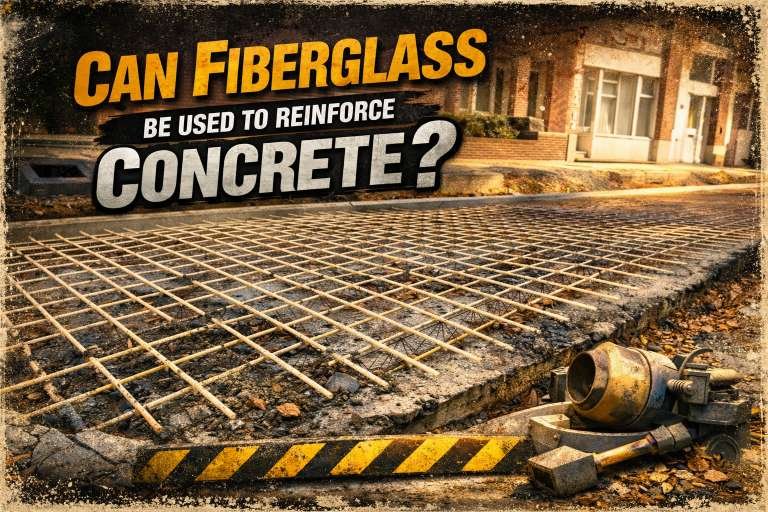
Yes, fiberglass can be used to reinforce concrete, but only in the right form. This is the key point. Ordinary fiberglass is not the right answer for normal cement-based materials because concrete is highly alkaline. In concrete work, the industry usually uses alkali-resistant glass fibers for GFRC and other cementitious mixes, or it uses glass […]
What Are the Disadvantages of Glass Fibre Reinforced Concrete?
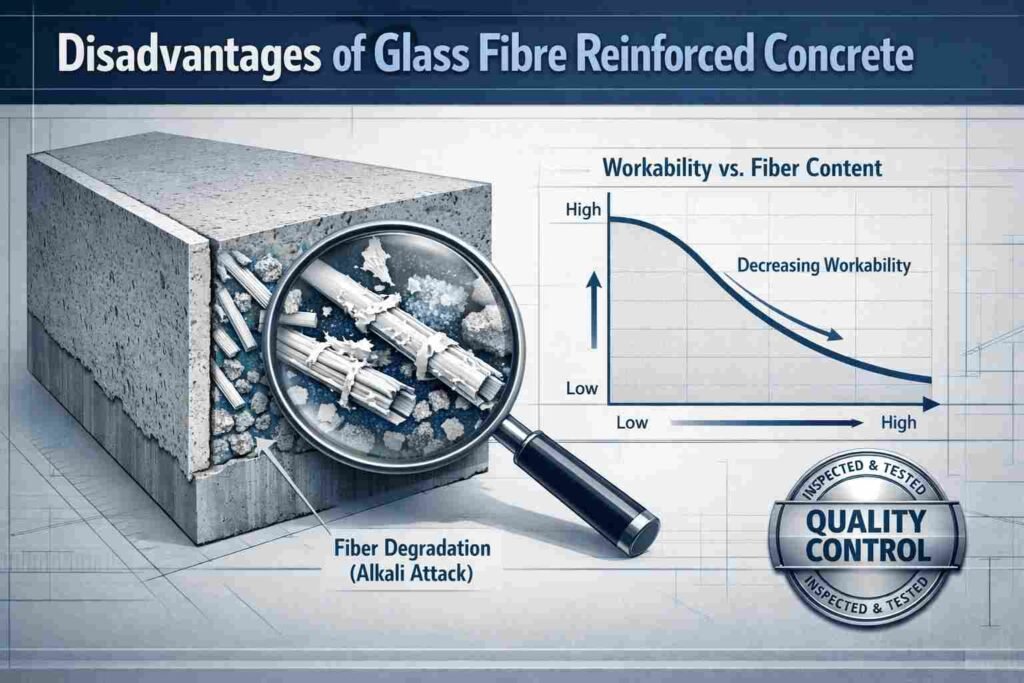
Glass fibre reinforced concrete, often called GFRC, can solve many problems that normal concrete cannot. It can reduce panel weight, support thin sections, and create decorative shapes that are hard to make with ordinary reinforced concrete. At the same time, it is not a perfect material. Its disadvantages become very clear when it is used […]
What Is Brass-Coated Steel Fiber in Concrete and UHPC?

When people ask “What is brass-coated steel fiber?”, the simplest answer is this: it is a steel fiber with a thin layer of brass on its surface. Brass itself is a copper-zinc alloy. In concrete work, this product is often a small, straight, high-strength steel fiber used in UHPC, UHPFRC, and RPC rather than a […]
What is PP monofilament?
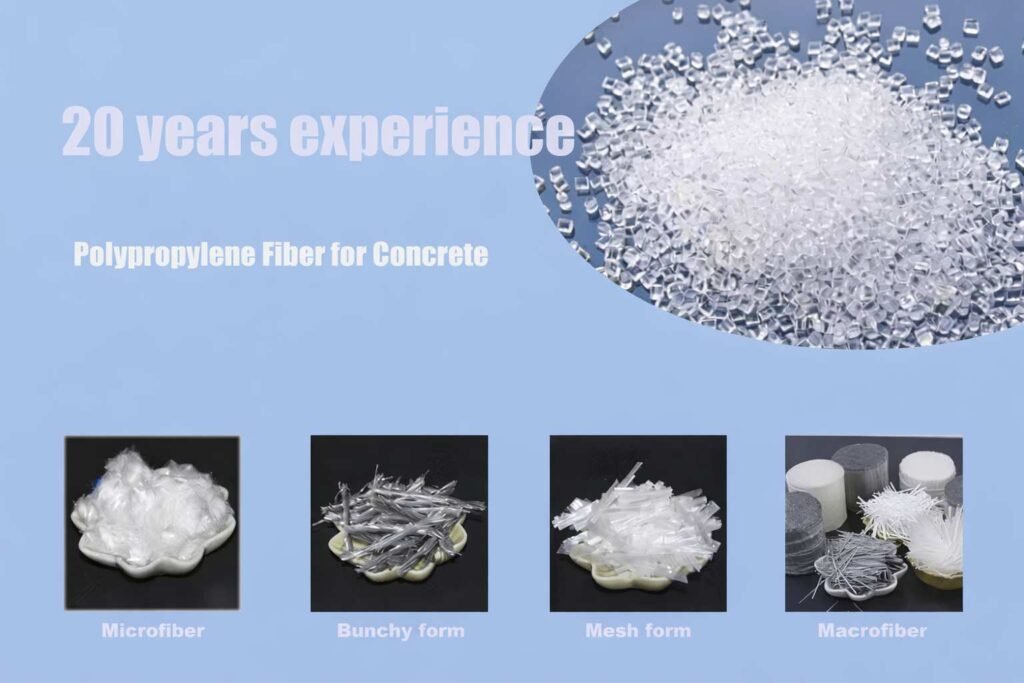
At Shandong Jianbang Chemical Fiber Co., Ltd., we explain PP monofilament in a very simple way: it is a single filament made from polypropylene. “PP” stands for polypropylene, which is a polyolefin polymer that can be melt-spun into fibers. “Monofilament” means one filament, not a bundle of many fine filaments. In general fiber processing, monofilaments […]
What Is Steel Fiber Reinforced Concrete Used For
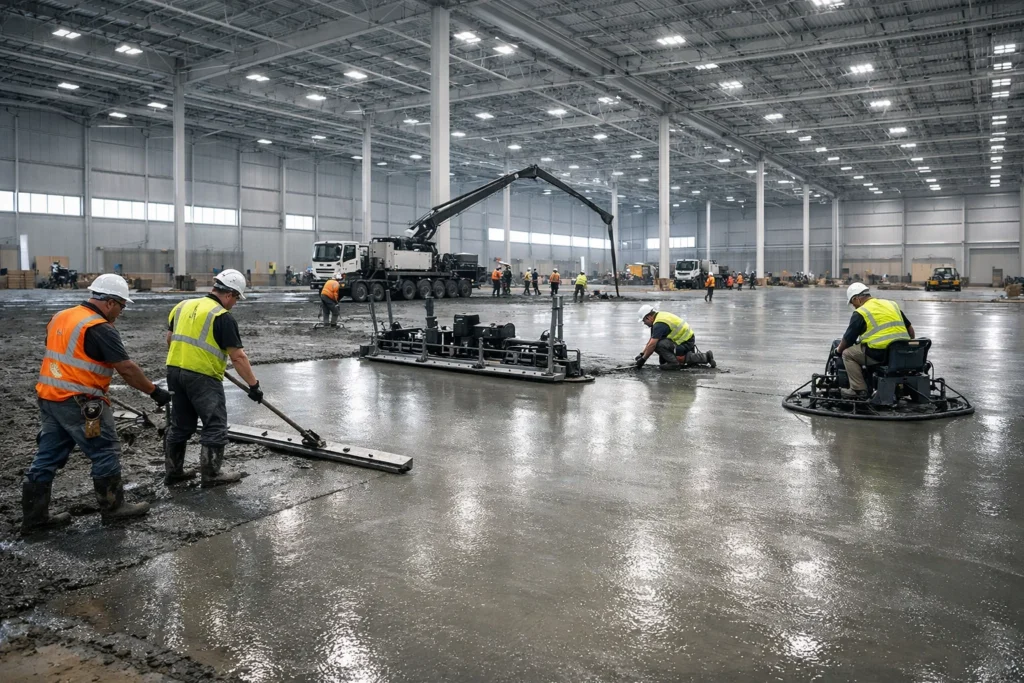
Steel fiber reinforced concrete is used in places where concrete must do more than just carry weight. It is used where the slab or structure must also control cracks, handle repeated loads, resist impact, and keep working for a long time in hard service conditions. In simple words, steel fiber reinforced concrete is chosen when […]
Is polypropylene fiber better than polyester fiber?
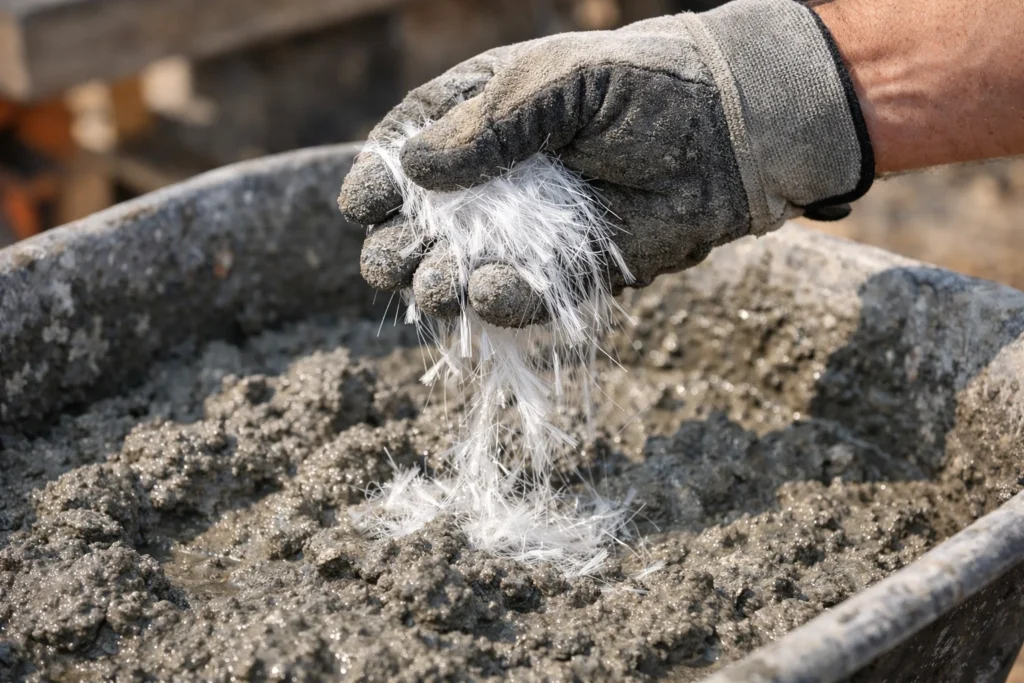
When buyers ask whether polypropylene fiber is better than polyester fiber, the most useful answer is this: polypropylene fiber is usually the better all-round choice for standard concrete work, but polyester fiber can be better in some specific cases. Polypropylene is lighter, melts at a much lower temperature, and has a strong track record in […]
What Are the Different Types of Steel Fiber?
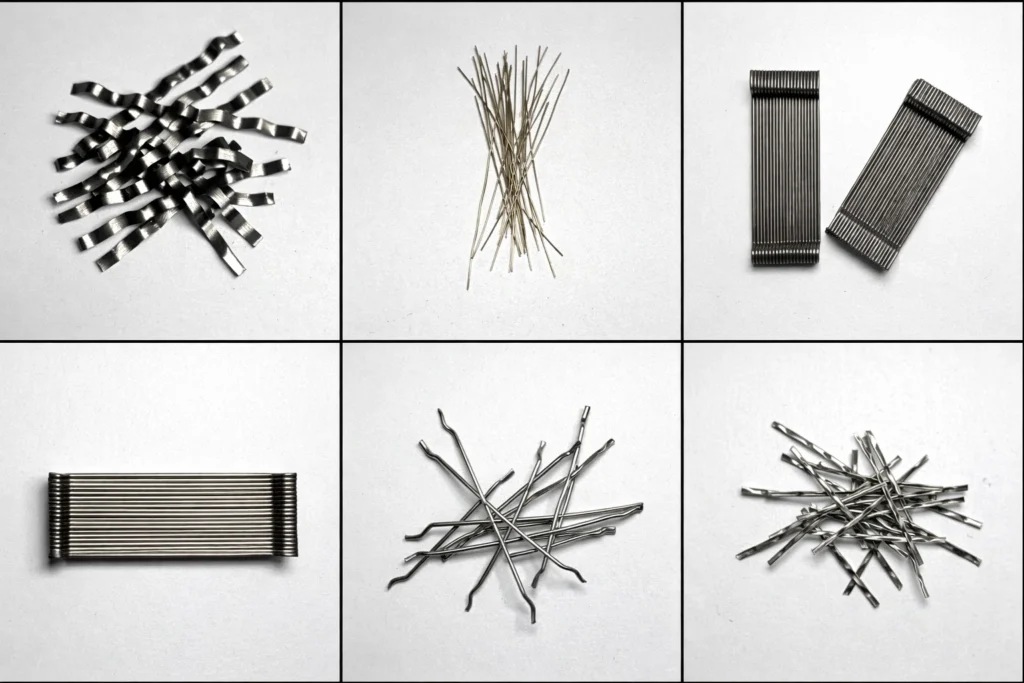
When people ask “What are the different types of steel fiber?”, they usually mean one of two things. They may want the standard classifications used in ASTM or EN standards. Or they may want the common market shapes they see in catalogs, such as hooked-end, crimped, straight, or twisted fibers. Both ways are correct. The […]